
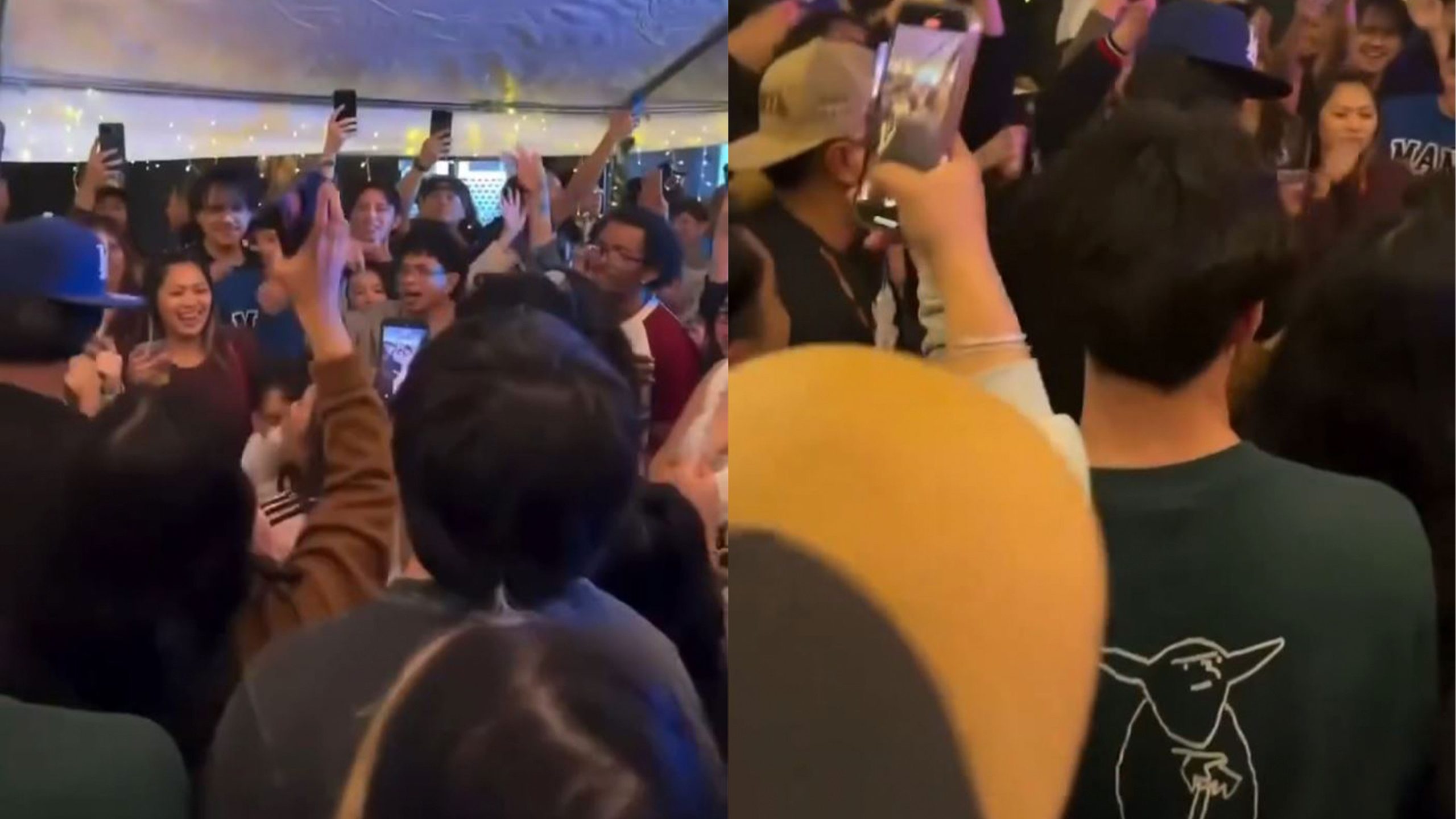
National anthem remix party video clips circulating online have sparked widespread discussion after a crowd was seen dancing to a remixed version of the Philippine national anthem. The incident quickly drew attention not just for its setting, but for raising deeper concerns about awareness and respect for national symbols.
National anthem remix party video clips circulating online have sparked widespread discussion after a crowd was seen dancing to a remixed version of the Philippine national anthem, raising concerns about awareness and respect for national symbols.
The video was initially shared on Reddit, where it quickly gained traction among Filipino users before spreading to other social media platforms. The thread, posted within a local community forum, became an early focal point for reactions, with users debating whether the act reflected intentional disrespect or simply a lack of awareness about proper conduct.
The clip shows a crowded indoor gathering where attendees appeared to cheer, sing, and record the moment as the remix played. While some viewers dismissed it as a harmless form of entertainment, others pointed out that the Philippine national anthem is protected under Republic Act No. 8491, which outlines strict protocols for its performance, including standing at attention and showing respect.
Observers noted that the situation reflects a broader tension between digital-era expression and long-standing national traditions. As remix culture continues to thrive in online spaces, its application to formal national symbols remains a sensitive issue in the Philippines, where historical identity and civic values are closely tied to these symbols.
National Anthem, ginawang party song
by u/New_Way8591 in ChikaPH
Online reactions revealed a divide in public sentiment, with some users emphasizing the importance of education and cultural grounding.
“Andaming di alam na dapat nirerespeto ang National Symbols like the flag and the anthem.”
Others highlighted what they perceive as a gap in awareness rather than intentional disrespect.
“Marami din ang hindi alam na kapag nagpi-play ang national anthem, dapat stay still ka.”
The early Reddit discussion helped frame the issue as it spread to wider audiences, influencing how the viral clip was interpreted across platforms. Observers noted that online forums often act as a first layer of public reaction, shaping narratives before they reach mainstream attention.
At the same time, some commenters urged caution against generalizing the behavior seen in the video, noting that not all individuals may be fully aware of the protocols surrounding the national anthem. This development highlights how gaps in civic knowledge can become more visible in an era where private moments can quickly reach national attention.
The situation also underscores the expanding role of social media in shaping conversations around identity and responsibility. What begins as a short video clip can evolve into a broader discussion involving education, parenting, and the role of institutions in reinforcing shared values.
Observers also pointed out that the blending of formal symbols with entertainment contexts is not entirely new, but digital platforms have significantly amplified its visibility. Incidents that might have once remained localized can now spread rapidly, inviting diverse interpretations and reactions from across the country.
For policymakers and educators, the incident serves as a reminder of the importance of strengthening civic education in both formal and informal settings. Ensuring that younger generations understand not only the rules but also the meaning behind national symbols may help bridge the gap between tradition and modern expression.
The incident also highlights the growing influence of online platforms in shaping public understanding of civic responsibility. With younger audiences increasingly exposed to global content and informal digital trends, traditional practices—such as proper conduct during the national anthem—may not always be reinforced outside structured environments.
As discussions continue, the viral video underscores a broader reality in today’s digital landscape: even brief moments can trigger nationwide conversations. Whether viewed as a misunderstanding or a lapse in awareness, the incident has reignited dialogue on how Filipinos engage with their national identity in an evolving cultural and technological environment.






 Facebook
 Twitter