
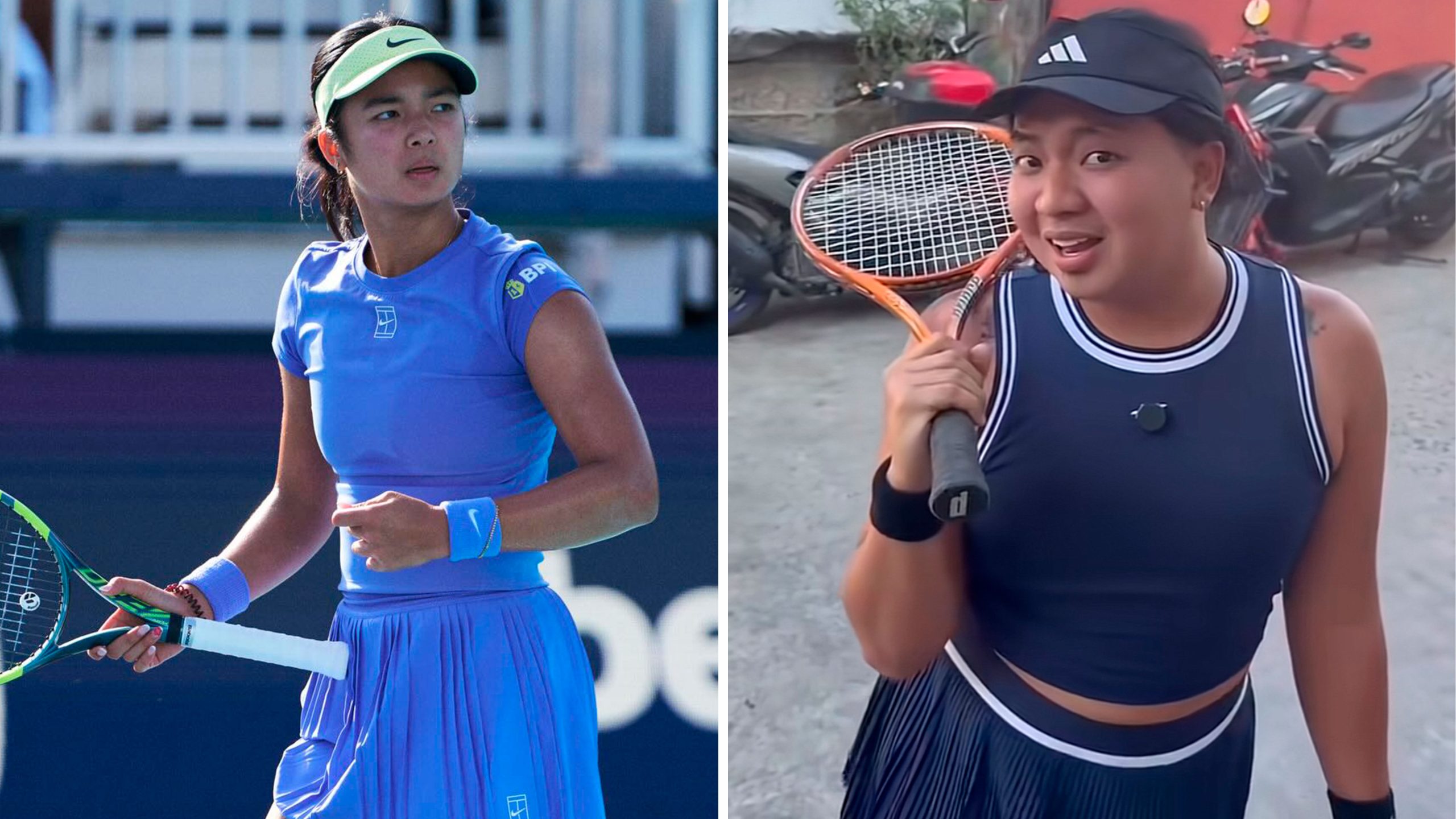
Alex Eala impersonation viral content has drawn widespread attention after a Malupiton-based creator’s tennis-themed skit circulated online, with viewers initially mistaking the performer for the Filipino tennis star. The clip highlights how parody-driven content can quickly gain traction and blur identity in fast-moving social media spaces.
A tennis-themed skit from a local content creator in Malupiton has gained unexpected traction online after viewers began comparing the performer to Filipina tennis star Alex Eala, highlighting how parody content can quickly blur into mistaken identity in the age of viral media. The video, which shows the creator dressed in tennis attire and mimicking athlete-like mannerisms, has circulated widely across social platforms, drawing mixed reactions from netizens.
The clip initially appeared as lighthearted entertainment, but attention intensified as screenshots and reposts spread, with some users momentarily believing the performer was Eala herself. Observers noted that the resemblance—paired with costume and setting—played a key role in driving engagement, particularly among casual viewers who encountered the content without context.
Online discussions soon shifted from simple amusement to broader commentary about digital literacy and the speed at which misinformation, even in humorous form, can travel. While the content was not presented as official or verified, its virality underscores how easily personalities can be misattributed in short-form videos.
“Didn’t expect this at all but I just became a fan… They’re THAT good,” one user commented, reflecting how convincing the portrayal appeared to some viewers.
Others, however, were quick to clarify the identity of the creator and emphasize the comedic intent behind the video.
“Not the next Michael V., but the one and only Malupiton… sobrang husay mo sa napili mong craft,” another comment read, praising the creator’s performance while acknowledging it as original content rather than impersonation meant to deceive.
The situation highlights a growing trend in Philippine social media, where creators use parody and character-driven skits to gain visibility. Platforms like Facebook and TikTok have made it easier for such content to reach wide audiences, often beyond the creator’s immediate followers. This development raises questions about how audiences interpret content in fast-moving feeds, where context is sometimes secondary to visual impact.
For public figures like Alex Eala, who continues to gain recognition on the আন্তর্জাতিক tennis stage, unintended associations with viral content can have both positive and challenging implications. On one hand, it keeps her name circulating in online conversations; on the other, it risks confusion, particularly among audiences less familiar with her official appearances.
Observers noted that this incident reflects a broader shift in how fame and identity are negotiated in digital spaces. The line between homage, parody, and misinformation is becoming increasingly thin, especially when content is consumed rapidly and without verification.
The local relevance of the issue is significant. As more Filipino creators explore niche and character-based content, the need for clearer audience awareness becomes more pronounced. This includes understanding the difference between satire and reality, as well as recognizing the role of platforms in shaping perception.
Ultimately, the viral Malupiton skit demonstrates both the creativity of grassroots Filipino content creators and the complexities that come with viral attention. It also reinforces the importance of context in digital storytelling—where a single clip, viewed in isolation, can lead to interpretations far beyond its original intent.
The incident also reflects how algorithm-driven platforms amplify visually striking content regardless of context. Short-form videos that rely on strong visual cues—such as costumes or familiar personas—are more likely to be shared quickly, sometimes outpacing clarification or verification. For Filipino audiences, this raises awareness about responsible content consumption, especially as local creators continue to gain visibility beyond their immediate communities. It also highlights the need for clearer labeling of parody or satire to avoid misinterpretation.








 Facebook
 Twitter