
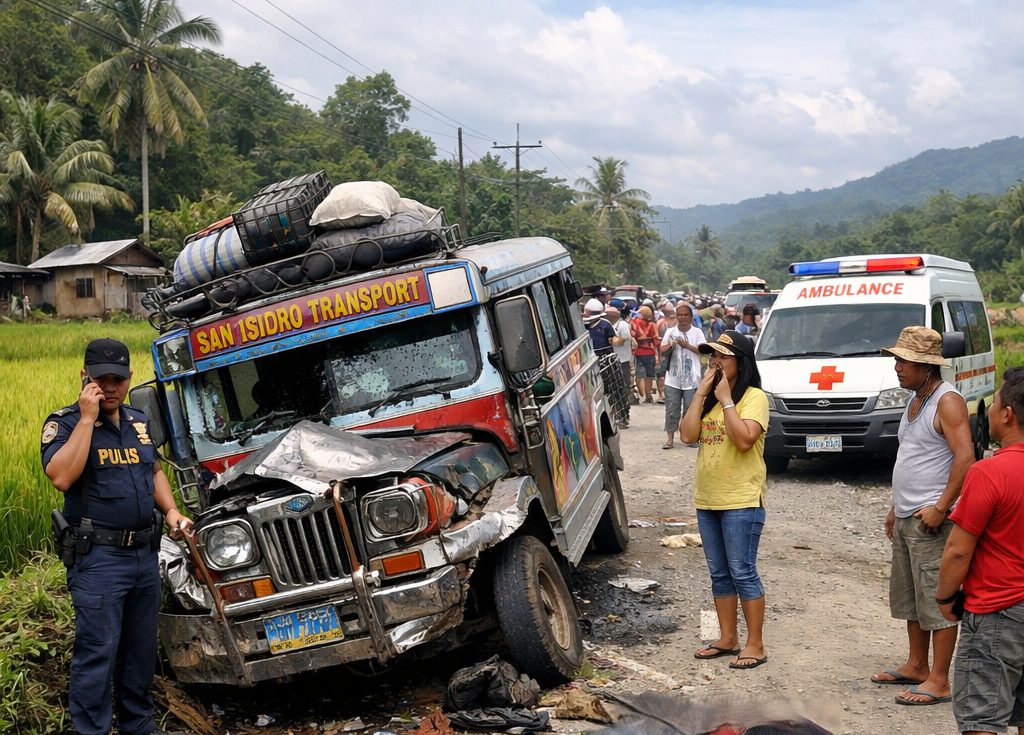
Road Accident Deaths continue to be one of the leading causes of preventable fatalities worldwide, claiming more than 1.3 million lives every year, according to the World Health Organization (WHO). Experts warn that rapid urbanization, increasing vehicle numbers, and unsafe road conditions are contributing to the growing toll, making road safety a critical public health priority.
Road accidents kill someone every 24 seconds, with a total of 1.35 million traffic deaths around the world each year, according to the World Health Organization (WHO). The number of fatalities annually has increased by around 100,000 in just three years, it adds.
It may come as a surprise but more people die from road crashes than from HIV/AIDS (human immunodeficiency virus and acquired immune deficiency syndrome), tuberculosis and diarrheal diseases, the WHO says.
With nearly 60% of the world’s population now living in urban areas, growing demand for mobility threatens to overwhelm transport systems that were largely designed around private motor vehicles.
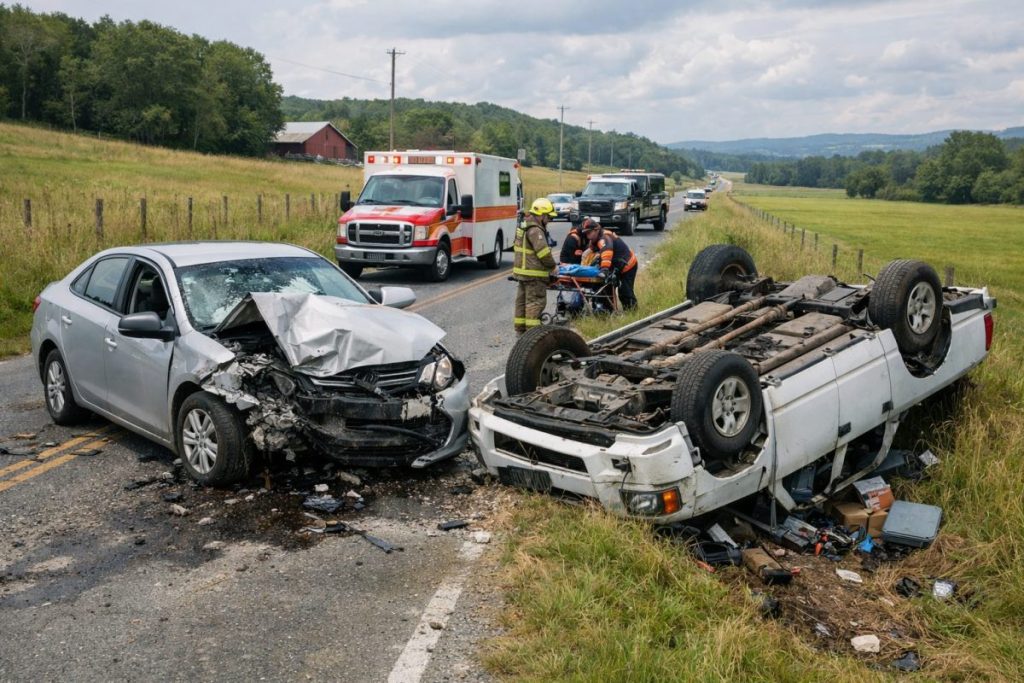
“With the rise of ride-hailing and delivery apps, the number of motorcycles more than tripled between 2011 and 2025,” the WHO reports. “Deaths among motorcyclists now account for nearly a third of the world’s road fatalities. Wearing a safe motorcycle helmet reduces the risk of death in a crash by more than six times.”
In the Philippines, 35 Filipinos die of road accidents every day, with an additional 348 left with serious disabilities, statistics show. In fact, the Geneva-based WHO has touted the Philippines as one of the “deadliest” countries in terms of road safety.
And the toll is increasing each year. From 6,869 deaths recorded in 2006, it almost doubled in 2016 with 12,690 deaths, according to a report released by the United Nations health agency.
“One death is too many when it comes to road crashes because we know that it is highly preventable,” said Dr. Gundo Weiler, WHO Representative in the Philippines. “There are proven solutions available to protect Filipinos on the road.”
Pedestrians and riders of bicycles, motorcycles and mopeds are the people most likely to be injured in crashes, studies show.
Oftentimes, most of the victims are males, “because they are more likely to drive while under the influence of alcohol and to speed or engage in other reckless behavior,” according to a study conducted by the European Road Safety Council.
Deaths would not have happened if it weren’t for the consumption of alcohol. Twenty-one-year-old was having a drinking spree with his college friends that he had not seen for three years when his wife Marianne, 18, stormed in and said, “What happened to you? We won’t be able to attend the wedding tomorrow if we don’t go travel now.”
The couple left, riding in a motorcycle. It was already late in the evening and Joseph was driving fast. What he didn’t know was that the road was being fixed. It was too late when he found it. Their motorcycle flew and Marianne, who hit the steel that served as a barrier, died instantly.
Joseph was still breathing. Those who witnessed the accident immediately brought him to a hospital. The doctors tried to save his life but after two days of being in a coma, Joseph finally succumbed.
The WHO report said road accidents are now the leading killer of children and young people between the ages of five and 29 years. “This is the most chilling, most heartbreaking figure (in the report),” said John Juliard Go, National Professional Officer for non-communicable diseases of WHO Philippines.
But it doesn’t mean that older people are not vulnerable to road accidents. In fact, they are too. The reason: “they are less alert and agile than others,” the European study said.
Road accident is the fourth leading cause of death in the country. Among the famous personalities who died of road crashes include Lino Brocka, Dan Campilan, Jon Hernandez, Jay Ilagan, AJ Perez, Dulce Saguisag, Ric Segreto and Eddie Peregrina.
With high tolls in lives and health, “the public reaction would be predictable, with screaming headlines and social media hashtags all over the place,” said an Inquirer editorial. “Legislators would immediately call for an investigation, while entire communities would be put on high alert.”
But such is not the case. In fact, road accidents “rarely make the headlines.”
To think, most hospital records revealed that road accidents contribute about 40% of all types of accidents. “There’s no accurate figure on the number of deaths caused by vehicular accidents in the Philippines. We only read the usual death count repeated after a television or radio report,” writes Atty. Romeo Pefianco in a national daily.
Moneymax single out human error as “responsible for the majority of road accidents in the country.” The Philippine National Police claim human error accounts for eight to nine in every 10 accidents throughout the country. Most authorities believe “the lack of driver’s training contributes to human error.”
Human error also includes “actions resulting from the driver’s negligence, distraction, or physical challenge, such as loss of control, drunk driving, bad overtaking, texting while driving, and over speeding.”
Moneymax adds: “Vehicle defects, such as mechanical issues and lost brakes, are also leading road accident causes.” The most common mechanical troubles include worn-out or under-inflated tires, suspension and steering issues, headlight/tail light malfunction, engine and transmission problems, and faulty windshield wipers.
In recent years, using mobile device while driving is one of the contributing factors of road accidents. Bestselling author Jonathan Anthony Burkett offers this explanation: “There’s a difference between driving and texting. When you’re driving, your eyes have to be opened and on the road watching the cars around you, road signs, and traffic lights. Along with your mind on the road and destination. Which means you are multitasking. When you’re texting, your eyes are on your mobile phone screen and key pad. Along with your mind on what you’re going to say next. So how can you do both?”
Let’s take a closer look at the statistics. A study done by the Asian Development Bank found out that driver error (25.72%), speeding (17.71%), and overtaking (12.44%) were the major causes of road accidents in the country. Drunk driving was a measly 0.57% while mechanical defects scored 12.20%.
Other causes cited: turning (9.40%), overloading (7.15%), self-accidents (4.91%), road defects (4.77%), hit and run (4.10%), and using cellular phones (0.29%).
Unknowingly, long hours behind the wheel – not over speeding – is the usual culprit for road accidents.
A health official of the Department of Health explained that fatigue due to long driving hours contribute greatly to drivers losing control their vehicles. “An average person can drive only six hours straight before fatigue affects driving,” she said.
An editorial which appeared in Philippine Star understands the precarious situation: “Most motorists are aware of the problems and try to get some rest and sufficient food during long drives. But such things can be a luxury for certain drivers who must meet certain hours of departure and arrival or meet passenger quotas. What do these drivers do? A number of them take shabu or other drugs to stay awake and ward off fatigue during long drives… As those cases have also shown, drug use has led to worse problems, leading to reckless driving that results in fatal accidents.”
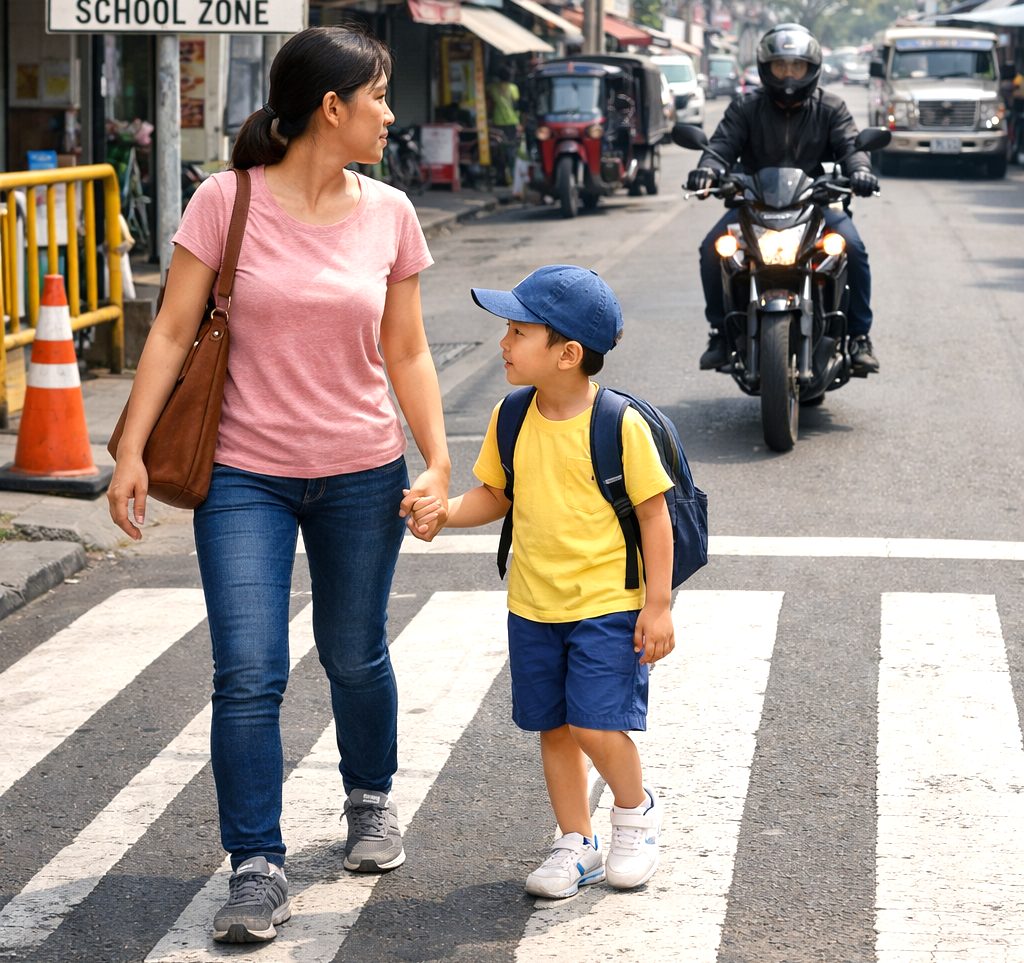
To address road safety issues, the Philippines launched the Philippine Road Safety Action Plan 2017-2022, adopting a vision of zero traffic death, with an interim target to reduce road death rate by at least 20% by 2022. Among the interventions are as follows: road safety management, safe road and mobility, safe vehicles, safe road users, and post-crash care.
“The Philippines has also shown progress in the areas of safer roads and mobility and having available data on road traffic fatalities,” the WHO says. “There are already existing legislations on managing speed, drink-driving, motorcycle helmet use, seatbelt use, and anti-distracted driving (mobile phone use while driving), but there remain issues on effective enforcement of these laws.”
All over the world, despite all the laws and reminders, road accidents still happen. “By the year 2020, if current trends continue, the annual number of deaths and disabilities from road traffic injuries will have risen by more than 60% to number three (from number 9 in 1990) on WHO’s list of leading contributors to the global burden of disease and injury,” the UN health agency states.
Globally, it is estimated that there are now roughly 100 million families coping with the deaths or disabilities of family members who were injured in a road traffic collision, recently or in the past.
“They are coping with grief for the dead and care for the disabled,” the UN health agency said. “Often, they are also living with reduced incomes, increased expenses and the burden of dealing with police, courts, insurers, medical systems, and other bureaucracies.”






 Facebook
 Twitter