
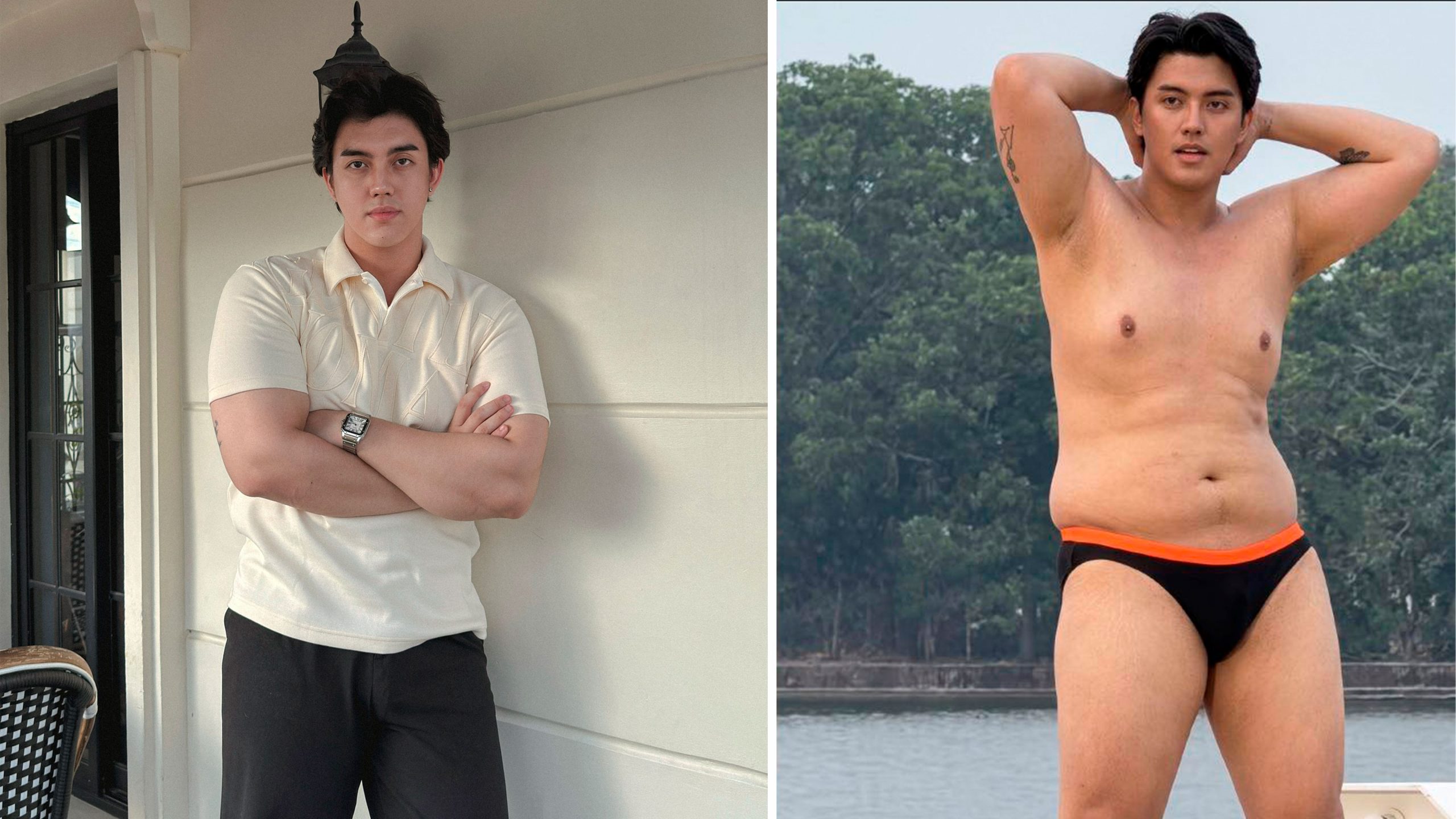
RJ Perkins Mister Pampanga entry is drawing widespread attention online after the former trainee joined the local pageant with a physique that challenges traditional expectations, prompting mixed reactions and renewed discussions on body standards in the Philippines.
A local pageant entry has ignited a wider conversation on body image after RJ Perkins, a former talent show trainee, joined Mister Pampanga with a physique that diverges from the typically lean and muscular standard often associated with male pageants in the Philippines.
Images of Perkins circulating online quickly drew attention, with many netizens noting the contrast between his appearance and the conventional expectations in male competitions. While some praised his confidence and presence, others questioned how pageant criteria are applied, especially in categories that traditionally emphasize physical fitness.
The discussion gained traction on social media, where reactions ranged from support to skepticism. Some commenters highlighted facial appeal and charisma as key strengths.
“But the face…” one user wrote, suggesting that overall appeal goes beyond body type.
Others emphasized confidence and representation, with one comment stating, “Chubby men is always sexy,” reflecting a growing openness to different body types in mainstream platforms.
However, not all feedback was supportive. A number of users raised concerns about fairness and consistency in judging standards.
“Layo sa physique check…,” one commenter remarked, pointing to perceived gaps between pageant expectations and the candidate’s presentation.
Observers noted that the situation reflects a broader shift in how beauty and fitness are being discussed in the Philippines. While traditional pageantry has long emphasized sculpted physiques, recent years have seen increasing calls for inclusivity and representation of diverse body types.
This development highlights an ongoing tension between evolving social values and established norms within pageant culture. As audiences become more vocal online, public scrutiny has expanded beyond performance and aesthetics to include questions about inclusivity, standards, and the purpose of such competitions.
The issue also raises questions about how pageants define “fitness” and whether it should be strictly visual or encompass broader aspects such as confidence, discipline, and stage presence. For many Filipinos, who actively engage in online discourse, the conversation extends beyond a single contestant and into larger discussions about acceptance and representation.
From a cultural perspective, the Philippines has a long-standing relationship with beauty pageants, often treating them as platforms for both entertainment and national pride. As such, any shift in standards—intentional or not—tends to generate strong reactions from the public.
Observers added that Perkins’ participation may signal a turning point, where pageants are increasingly challenged to balance tradition with changing societal expectations. Whether this leads to long-term changes in judging criteria remains to be seen, but the current debate underscores the growing influence of public opinion in shaping these spaces.
Ultimately, the attention surrounding Perkins is less about one individual and more about what his presence represents. As conversations continue, the moment serves as a reflection of how standards of attractiveness and fitness are being reexamined in modern Filipino society—where diversity is becoming more visible, yet still contested in competitive arenas like pageantry.
This conversation also comes at a time when pageant organizations are gradually facing pressure to redefine their criteria beyond traditional physical standards. In the Philippines, where pageantry holds cultural significance, shifts toward inclusivity—whether in body type, personality, or advocacy—are increasingly being discussed. Perkins’ participation, regardless of outcome, contributes to this evolving narrative, where representation and authenticity are becoming as important as aesthetics in capturing public support.





 Facebook
 Twitter