
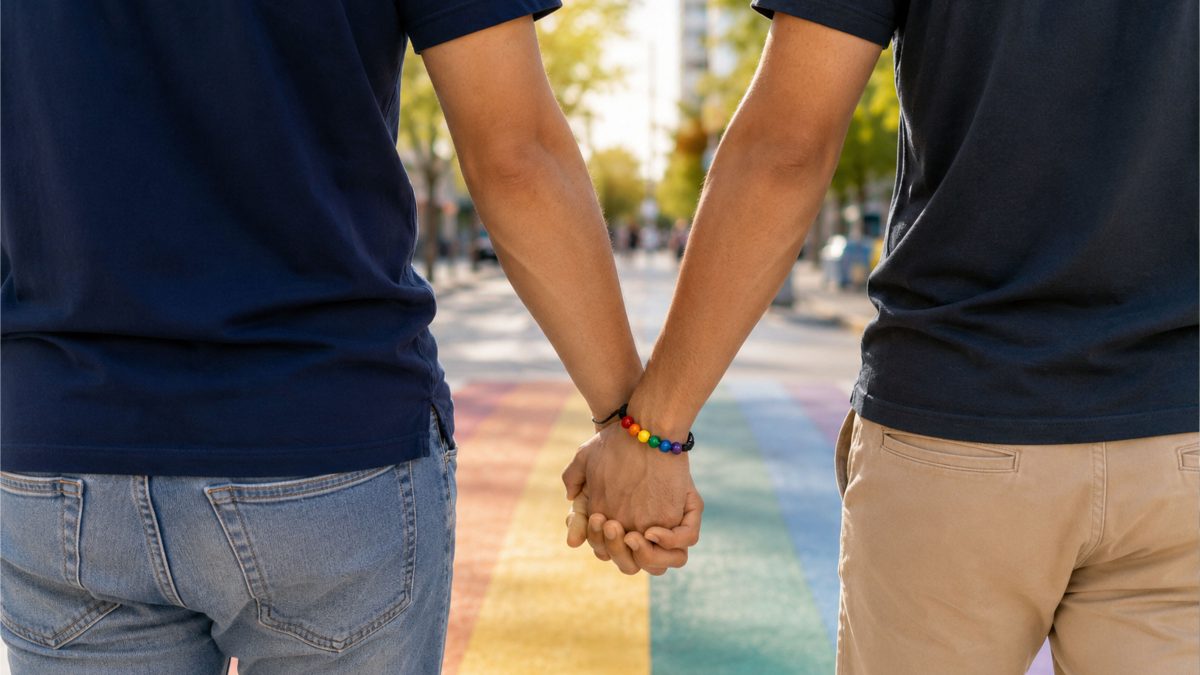
Same-sex relationships in the Philippines are becoming more visible and socially accepted as younger generations grow more open to conversations about love, identity, and emotional connection. What once stayed hidden inside many Filipino families is now discussed more honestly in schools, workplaces, and everyday life.
A few years ago, many same-sex couples in the Philippines learned how to exist quietly. They attended birthdays together but introduced each other as “friends.” They avoided holding hands in crowded malls. Some became experts at changing pronouns mid-conversation whenever older relatives started asking questions.
Not because the relationship was shameful, but because keeping peace inside Filipino families often mattered more than honesty.
That silence is becoming less common today.
In many parts of the country, younger Filipinos are growing up in an environment where same-sex relationships no longer feel automatically shocking. A teenager can openly mention having a boyfriend to classmates without instantly becoming isolated. Two women living together are less likely to become the subject of neighborhood gossip than they would have been years ago. Families still struggle with acceptance in many cases, but more conversations are happening now instead of being avoided entirely, especially as discussions around LGBTQ+ rights continue becoming more visible in Philippine society.
The shift did not happen through one law, one viral movement, or one celebrity story. It happened slowly inside ordinary Filipino homes.
A mother who once believed same-sex relationships were “just a phase” may begin reconsidering after watching her son build a stable and respectful relationship for years. An older sibling who used to joke carelessly about LGBTQ+ people may change after seeing a younger sister become emotionally healthier and more confident after finally being accepted. In many Filipino families, acceptance rarely begins with ideology. It begins with familiarity.
People tend to soften when the issue stops feeling distant.
That emotional reality carries weight in the Philippines because family culture here is deeply personal and interconnected. Romantic relationships are often judged not only by love, but by responsibility, sacrifice, loyalty, and how someone treats the people around them. For many older Filipinos, understanding same-sex relationships became easier once they stopped viewing them as abstract social debates and started viewing them through everyday human behavior.
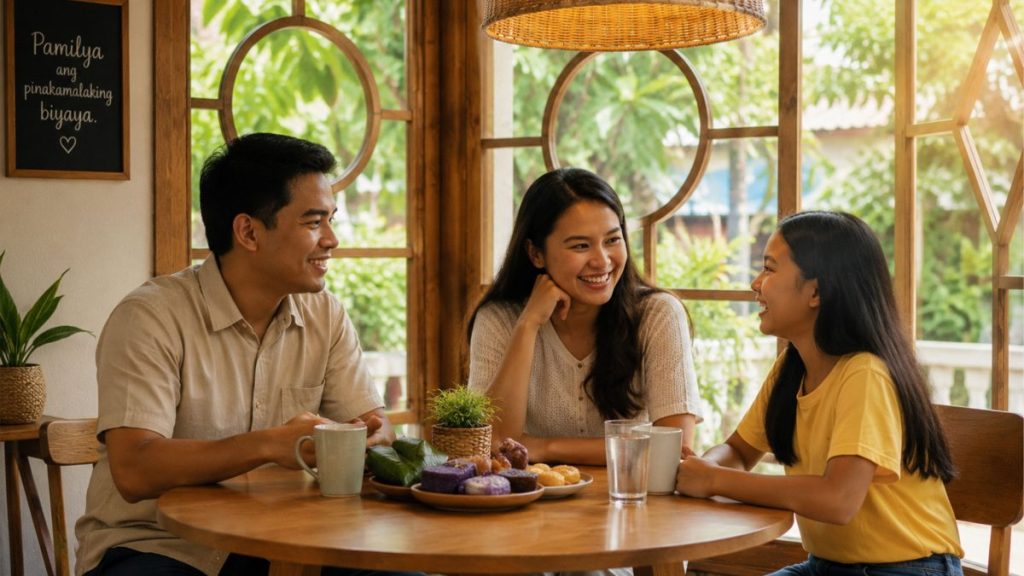
Can this person take care of my child?
Do they stay during difficult times?
Do they bring peace or chaos into the relationship?
Those questions often became more important than gender itself.
Even traditional Filipino households are not immune to emotional truth. A father may struggle accepting his daughter’s sexuality while quietly admitting that her partner treats her far better than previous boyfriends ever did. A deeply religious parent may still hold personal beliefs about marriage while also recognizing genuine love, stability, and kindness when it exists in front of them every day.
Real life complicates rigid opinions.
The internet also changed things, but not always in the loud political way people imagine. Long before discussions about representation became mainstream, many LGBTQ+ Filipinos already found comfort online simply by seeing people live openly. Couples posting ordinary moments — cooking dinner together, celebrating anniversaries, arguing over small misunderstandings, caring for pets, supporting each other through work stress — helped make same-sex relationships feel familiar rather than foreign.
That kind of visibility matters more than people realize.
For decades, LGBTQ+ representation in local entertainment often revolved around stereotypes. Gay characters were frequently expected to be comedic, overly dramatic, or emotionally tragic. Lesbian relationships were sometimes treated as temporary rebellion rather than something serious and lasting. Audiences became used to seeing LGBTQ+ people entertaining others, but not always being understood as emotionally complete individuals.
Reasons More Filipinos Are Becoming More Accepting
Many Filipinos are beginning to view relationships through emotional connection rather than old social expectations alone.
- Younger generations are more exposed to diverse relationships through social media, entertainment, and discussions about LGBTQ+ acceptance in the Philippines.
- Families are having more open conversations instead of avoiding uncomfortable topics.
- More people now prioritize emotional health, loyalty, and mutual respect in modern relationships.
- LGBTQ+ couples are becoming more visible in everyday Filipino life, making acceptance feel more natural.
- Real-life experiences with LGBTQ+ friends and relatives often change personal perspectives over time.
That slowly started changing when viewers became more interested in stories that felt emotionally honest instead of exaggerated.
Filipino audiences have always connected strongly with vulnerability. They respond to stories about sacrifice, heartbreak, family pressure, financial struggle, and emotional resilience because those experiences feel familiar across social classes. Once same-sex couples began appearing in stories that reflected those universal emotions, it became harder for many viewers to dismiss the relationships as unnatural or impossible to relate to.
At some point, people stopped focusing only on gender and started recognizing the emotional experiences underneath it.
Economic and social realities also play a role in why younger generations approach relationships differently today. Many Filipinos in their twenties and thirties grew up witnessing difficult marriages, absent parents due to overseas work, emotional incompatibility, and family relationship struggles hidden behind the appearance of tradition.
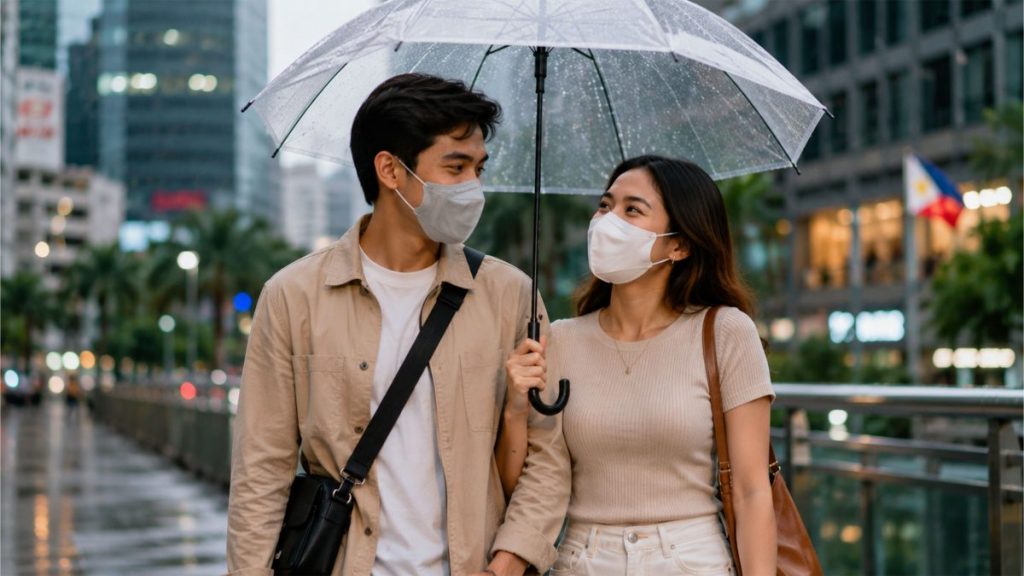
For some, watching a same-sex couple communicate respectfully and support each other consistently feels healthier than seeing heterosexual relationships filled with control, silence, or emotional neglect.
That comparison quietly reshapes perspectives.
Still, acceptance in the Philippines remains uneven and emotionally complicated. In urban areas, some couples can express affection publicly without attracting much attention. In other places, many still feel pressured to monitor their behavior carefully. Some families accept LGBTQ+ members privately but avoid discussing them openly around relatives or church communities. Others tolerate relationships as long as they remain discreet.
There are also many Filipinos who continue carrying emotional exhaustion from years of self-censorship. Some become highly sensitive to body language, tone changes, or subtle discomfort from others because they spent years trying to avoid rejection. Even in welcoming environments, many same-sex couples still think carefully about where they can safely be affectionate, how openly they should talk about their relationship, or whether introducing a partner to extended family will create tension.
That emotional calculation can become second nature after years of caution.
Yet despite those realities, something meaningful has undeniably changed. Same-sex relationships are increasingly becoming part of ordinary Filipino life rather than something viewed purely through controversy or spectacle. Couples are building businesses together, raising children, supporting aging parents, planning futures abroad, surviving financial hardships, and navigating the same relationship struggles countless Filipinos experience every day.
The more visible these ordinary realities become, the harder it becomes for society to treat LGBTQ+ relationships as fundamentally different from everyone else’s.
And perhaps that is why normalization continues to grow.
Not because every Filipino suddenly agrees on politics, religion, or social values, but because many people eventually recognize something deeply familiar underneath the labels. Most relationships, regardless of gender, revolve around the same quiet hopes: finding stability, being understood, surviving loneliness, and building a life with someone who chooses to stay.
Once people begin seeing same-sex couples through that lens, acceptance stops feeling like a complicated social argument and starts feeling like basic human empathy.

 Facebook
 Twitter