
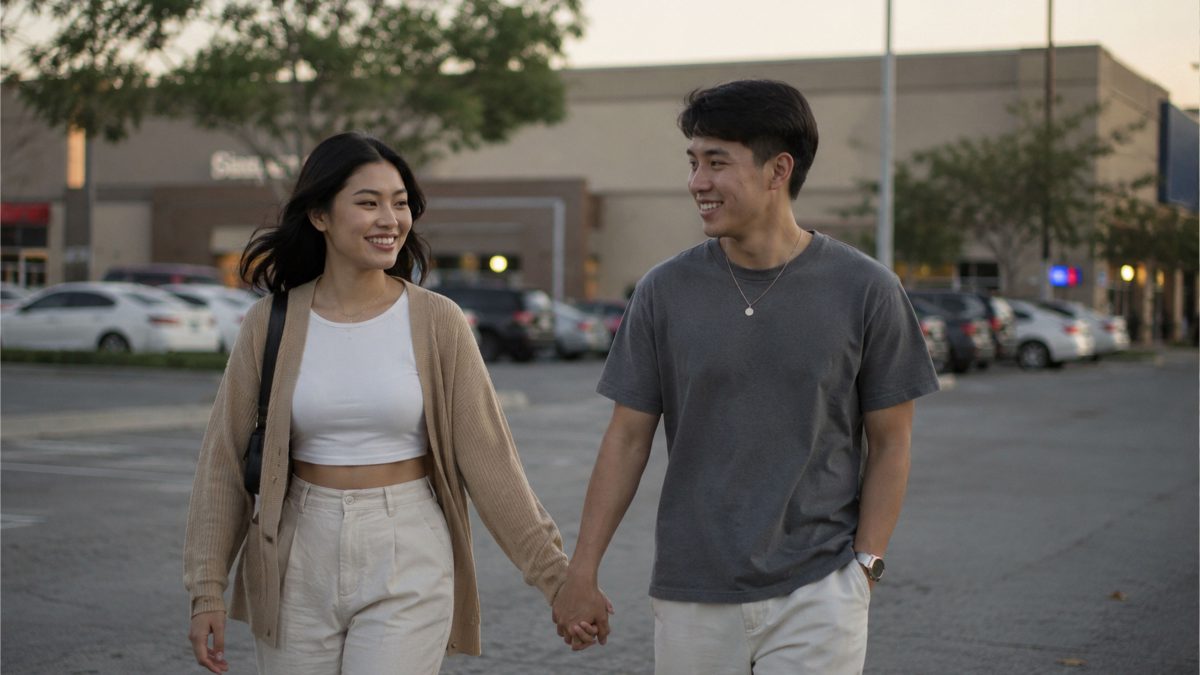
Happy couples habits are often built through small daily actions that strengthen emotional connection over time. Some couples still reach for each other’s hand after years together, while others slowly drift into silence without realizing it. In many relationships, lasting happiness comes less from grand romantic gestures and more from consistent attention, patience, and emotional presence during ordinary moments.
Some couples still reach for each other’s hand while crossing a parking lot after ten years together. Others sit across from each other at dinner barely speaking, both distracted by separate screens. The gap between those relationships is rarely caused by one dramatic moment. More often, it grows from the small habits people repeat so consistently that they stop noticing their effect.
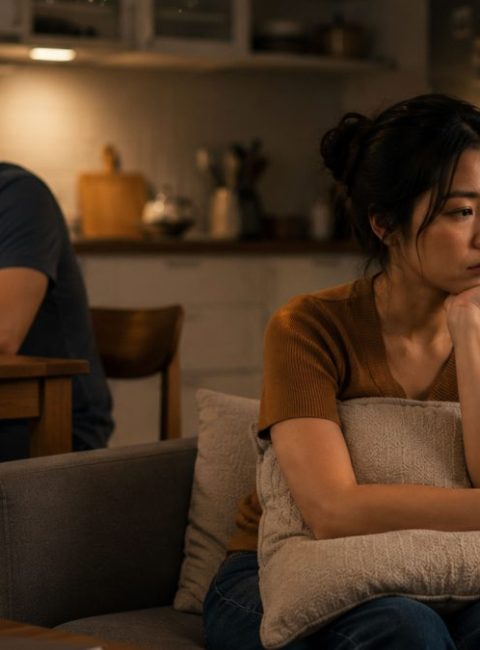
Most relationships do not suddenly fall apart. They slowly lose warmth through ordinary days that feel emotionally unfinished. A conversation gets delayed because both people are tired. One partner shares less because they no longer feel fully heard. Another becomes quieter without realizing stress has started replacing patience. Over time, the relationship still functions, but it no longer feels emotionally alive.
That shift has become increasingly common in modern relationships. Many couples are mentally exhausted before the evening even begins. Work follows people home through notifications and unread messages. Free time disappears into endless scrolling. Some couples spend hours sitting beside each other while barely sharing genuine attention.
Without realizing it, relationships can slowly turn into systems of responsibility instead of places of comfort. Bills are paid. Chores get done. Schedules are managed. But the feeling of being emotionally noticed starts fading underneath daily routine.

The couples who stay genuinely happy often protect small moments of connection before distance has the chance to settle in permanently. They continue treating each other like people worth paying attention to, not simply familiar parts of daily life. Even during stressful seasons, they look for small ways to say, “You still matter to me.”
Sometimes those moments are incredibly ordinary. A wife notices her husband seems unusually drained after work and keeps dinner simple because she knows he has had a difficult week. A boyfriend sends a message before an important presentation because he remembers his partner has been anxious about it for days. A couple stuck in traffic starts laughing about something ridiculous they saw earlier instead of sitting in irritated silence for an hour.
None of these moments are dramatic enough to become viral relationship content online. But in real life, relationships are usually shaped more by repeated emotional consistency than grand romantic gestures.
One of the strongest habits long-term happy couples share is responsiveness. Not perfection. Not constant romance. Just the ability to respond when the other person reaches for connection.
That can look surprisingly simple. Someone starts talking about a stressful day, and their partner pauses what they are doing long enough to actually listen. Someone shares a random joke, and the other person engages instead of dismissing it. These interactions seem forgettable in isolation, but repeated indifference has a way of making people feel alone even while sharing the same space.
Many relationships do not end because love completely disappears. They end because attention slowly disappears first.
Small Habits That Quietly Keep Relationships Strong
Many healthy relationships are often shaped by ordinary actions that seem small at the moment but become emotionally meaningful over time.
- Checking in after a stressful workday instead of assuming everything is fine
- Listening without immediately reaching for a phone or multitasking
- Sending small updates throughout the day to make a partner feel remembered
- Laughing together during tense or exhausting moments
- Apologizing quickly before resentment quietly builds
- Making time for simple conversations beyond responsibilities and schedules
- Noticing emotional changes even when the other person says very little
- Continuing to show affection in ordinary moments, not just during special occasions
Over time, these ordinary actions often become the difference between a relationship that feels emotionally safe and one that slowly grows distant.
The dangerous part is that emotional distance rarely announces itself loudly at the beginning. It develops quietly through postponed conversations, distracted listening, tired replies, and the assumption that there will always be more time later.
Humor also matters more than many people realize. Couples who still laugh together during stressful periods often recover from tension faster because laughter interrupts emotional heaviness before resentment settles too deeply. Inside jokes, playful teasing, and random moments of silliness create relief inside relationships that might otherwise feel overwhelmed by routine.
Some couples gradually lose this part of themselves without noticing it. Conversations become entirely transactional: bills, errands, deadlines, responsibilities, schedules. They become highly efficient at managing life together while quietly losing the feeling of enjoying each other’s company.
Long-term happiness also depends on consideration in small daily moments. Saving food for your partner before it runs out. Sending updates so they do not worry. Remembering they sounded overwhelmed that morning and checking in later that night. These gestures rarely appear impressive from the outside, but they create a feeling many people deeply need: the comfort of knowing someone is thinking about them even when they are not physically present.
Those quiet moments of care are often what people remember most years later.

That sense of care matters even more today because modern relationships operate under pressures that quietly drain emotional energy. Burnout has become normal for many working adults. Financial stress affects patience in ways couples do not always recognize immediately. Social media also creates unrealistic expectations about romance, making ordinary relationships appear inadequate compared to carefully curated online versions of love.
Real relationships rarely look as polished as internet relationships. Sometimes love looks less like expensive surprises and more like someone buying your favorite drink after an exhausting day because they remembered you sounded tired on the phone earlier.
Some of the strongest couples still argue, become irritated, and emotionally miss each other sometimes. What separates them is their willingness to reconnect before distance becomes permanent. They do not treat misunderstandings as proof that the relationship is failing. Instead, they understand that staying emotionally close requires ongoing effort during ordinary days, not just during romantic milestones.
Long-term love also changes shape over time. Early attraction is often built on excitement, unpredictability, and constant discovery. But lasting relationships are usually sustained by something quieter: emotional safety, reliability, and the ability to feel fully accepted during difficult moments.
For many people, peace eventually becomes more attractive than intensity.
A calm relationship may not always appear exciting from the outside, but living with someone who consistently treats you with patience, warmth, and consideration can completely change the quality of daily life. There is something deeply comforting about knowing home feels peaceful instead of draining.
Some people do not notice the relationship is fading until silence starts feeling more natural than conversation. By then, both partners may still love each other, but they no longer know how to reach each other as easily as they once did
The happiest couples are not usually the ones constantly proving their love publicly. They are often the ones quietly protecting the relationship in private through attention, kindness, repair, patience, and small repeated choices that seem insignificant until years have passed.
And maybe that is what lasting love actually looks like in real life.
Not perfection.
Not nonstop romance.
Sometimes lasting love is simply two people refusing to become strangers to each other over time.






 Facebook
 Twitter