
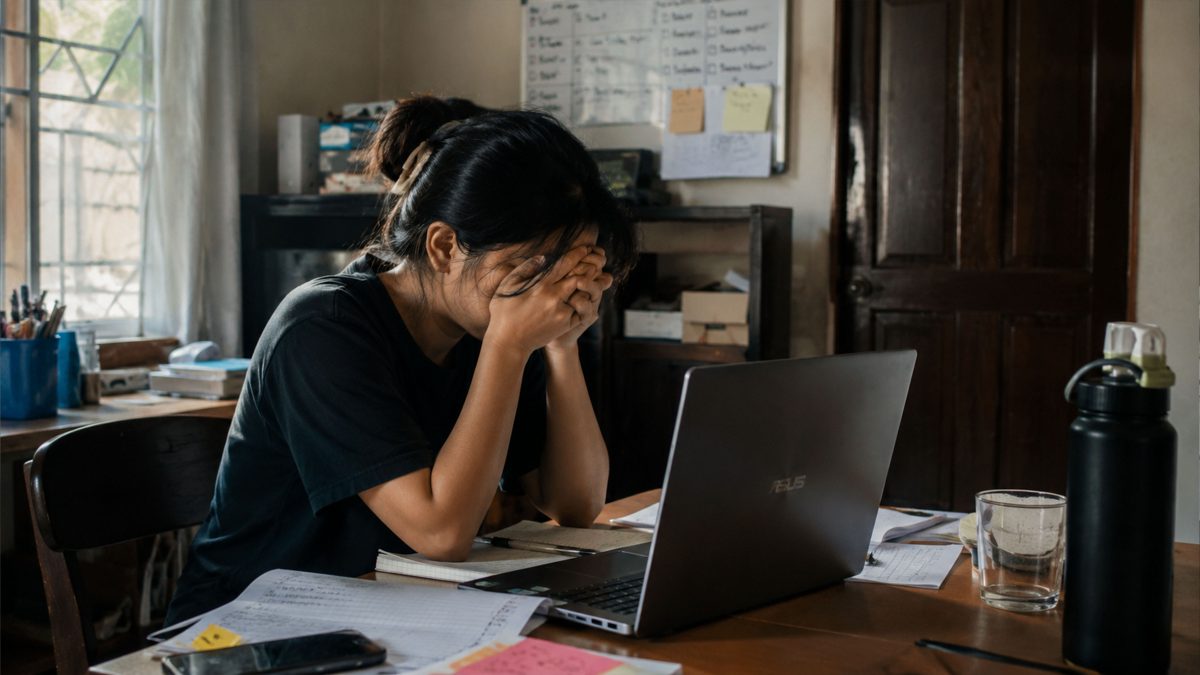
Peace over pressure is becoming a defining mindset for many people trying to navigate modern life. Behind packed schedules, endless notifications, and constant pressure to succeed, a growing number of adults are quietly realizing that emotional stability and mental peace matter more than appearing endlessly productive.
There is a particular kind of exhaustion that people have stopped talking about honestly. Not the dramatic kind that causes breakdowns in public or inspires motivational posts online. The quieter kind. The one where someone answers emails during dinner, laughs at messages they are too tired to read properly, then lies awake at 2 a.m. wondering why life suddenly feels strangely mechanical.
Many people are no longer chasing excitement. They are chasing relief.
A few years ago, pressure looked glamorous. Being overworked meant being important. People proudly talked about surviving on four hours of sleep, juggling multiple side hustles, and staying “booked and busy.” Even rest became competitive. Weekends had to look productive enough to post online.
Now something feels different. The same people who once admired nonstop ambition are beginning to fantasize about quieter lives. Not necessarily easier lives. Just lives that feel emotionally sustainable.
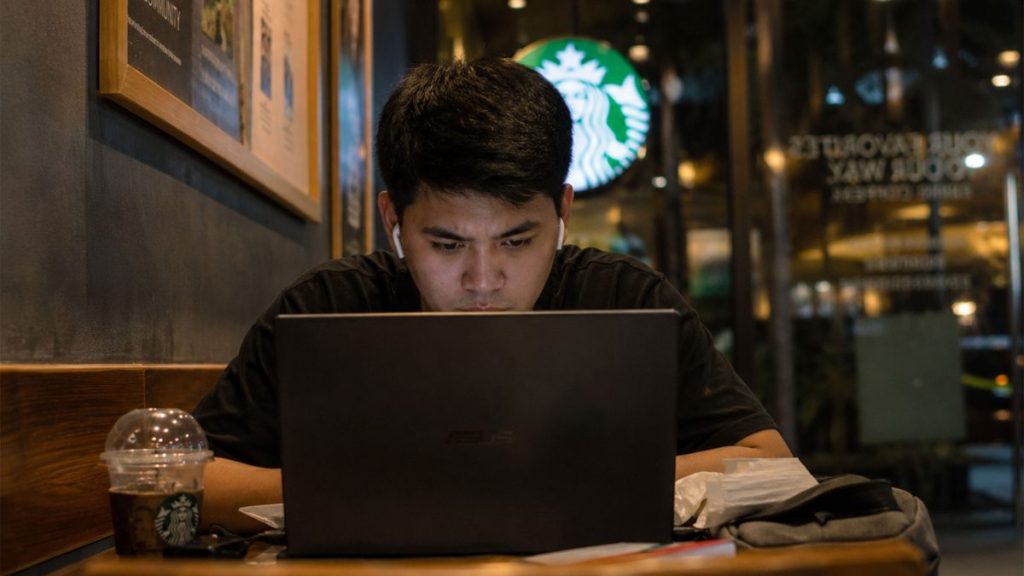
You can see it in small everyday moments. A young employee stares at laptop notifications while eating lunch alone at a crowded café. A father keeps answering work calls during his daughter’s birthday dinner because nobody at the office truly logs off anymore. Friends sit together at restaurants while absentmindedly scrolling through short videos instead of finishing conversations. Even leisure often feels distracted.
People are physically present almost everywhere now, but mentally absent in most places.
Part of what makes modern pressure difficult is that it rarely arrives all at once. It accumulates quietly. Hundreds of notifications. Constant comparison. Rising living costs. The expectation to always improve, always monetize, always optimize. Somewhere along the way, ordinary life started feeling like a performance review.
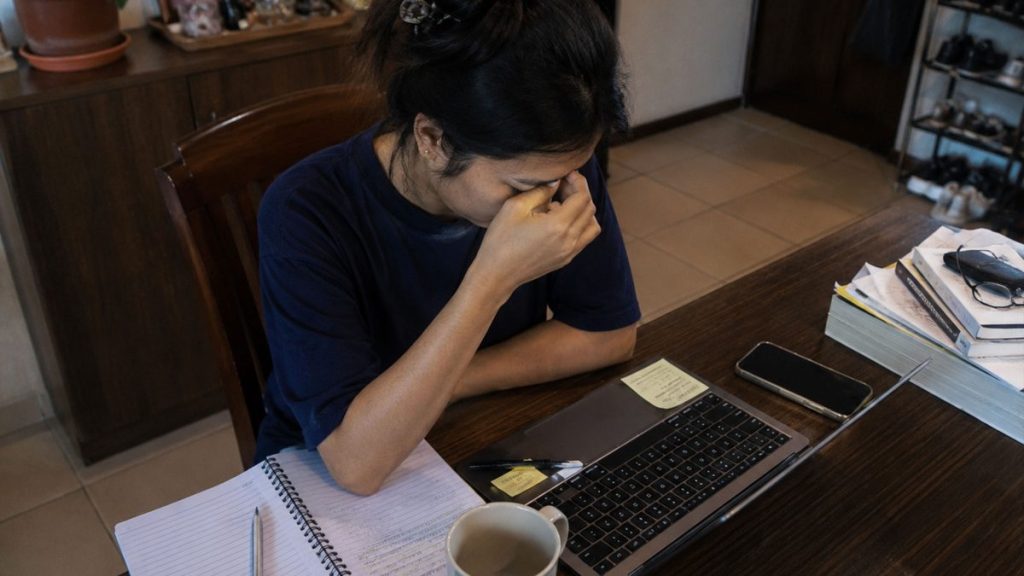
Many adults wake up already feeling behind before the day even begins.
Social media intensified this feeling in ways people still underestimate. In the past, comparison mostly happened inside neighborhoods, schools, or workplaces. Today someone can compare their entire existence against thousands of carefully edited lives before even getting out of bed.
A person opens Instagram for five minutes and suddenly feels insecure about their career, appearance, finances, relationships, fitness, and productivity all at once. None of the pressure is spoken directly, yet it lingers afterward like background noise.
What makes this emotionally confusing is that many people are objectively doing fine. They have jobs, functioning routines, stable relationships, and roofs over their heads. Yet internally, many still feel emotionally overextended. There is often no major crisis to point at. Just a constant low-grade fatigue that never completely disappears.
That is partly why peace has become so attractive.
For many people, peace now feels more valuable than status symbols that once looked impressive from the outside.
The appeal of simple things has grown stronger because daily life now feels unusually loud. People romanticize slow mornings because uninterrupted mornings barely exist anymore. Quiet coffee shops feel comforting because silence itself has become rare. Some people leave their phones in another room for an hour and describe the experience like recovery.
Even silence feels harder to tolerate now. People wait in line while scrolling, watch short videos during meals, and check notifications almost automatically. Many no longer realize how mentally crowded their days have become because constant stimulation now feels normal.
There was a time when ambition was measured mostly through visible achievement. Promotions, expensive purchases, impressive titles. Those things still matter, but many people are starting to question the emotional cost attached to constantly pursuing more.
A corporate employee earning well may secretly envy a friend who earns less but sleeps peacefully. Someone with thousands of followers may envy people who can enjoy dinner without documenting it. Some workers now value flexible schedules more than prestigious offices because having control over time feels more meaningful than appearing successful.
That shift says something important about what people are beginning to realize: exhaustion is not proof that life is working.
For years, burnout was normalized so aggressively that many adults stopped recognizing their own stress levels. Constant fatigue became part of adulthood itself. Answering work messages late at night became “professionalism.” Feeling guilty during rest became discipline. Being emotionally unavailable became “just being busy.”
Signs That People Are Quietly Rewriting Their Priorities
For many adults, the shift toward peace is not happening through dramatic life changes, but through small everyday decisions that slowly reshape how they live.
- More workers are choosing flexible schedules over higher-paying jobs that consume all their personal time.
- Some people now keep their phones on “Do Not Disturb” for hours just to create moments of uninterrupted calm.
- Quiet weekends at home are becoming more appealing than exhausting social obligations designed mainly for online validation.
- Many young adults are prioritizing emotional stability and manageable routines instead of chasing lifestyles they cannot sustainably maintain.
- Friendships are becoming more intentional, with people valuing deeper conversations over constant digital interaction.
- More individuals are beginning to protect sleep, privacy, and mental space with the same seriousness once reserved only for career growth.
But the human body eventually keeps score.
People who live under nonstop pressure often notice it physically first. Trouble sleeping. Short tempers. Mental fog. Emotional numbness. Difficulty focusing during conversations. Feeling strangely irritated by small inconveniences. Some discover they have not fully relaxed in months.
Others notice it socially. Friendships become maintenance instead of connection. Family dinners feel rushed. Relationships start revolving around schedules instead of attention. People become so consumed by surviving routines that they slowly stop experiencing their own lives while living them.
This is why many younger adults are redefining success in more personal ways. Not because they suddenly lost ambition, but because they watched too many people become financially successful while emotionally exhausted.
For many adults now, emotional stability feels more important than constantly appearing successful.
There is also growing admiration for people who protect their boundaries without apology. Someone who declines overtime to preserve family time. A worker who refuses to answer messages during vacations. Friends who choose small gatherings over exhausting social obligations. Couples who prioritize calm relationships instead of performative ones online.
A decade ago, those choices may have looked unambitious. Today they often look emotionally intelligent.
The pandemic quietly accelerated this mindset for many people. During lockdowns, countless individuals were forced to sit alone with routines they had previously been too distracted to examine closely. Some realized they barely recognized themselves outside work. Others discovered how much of their identity depended on productivity.
Many people returned to normal life afterward carrying a question they could no longer ignore: if life can change this quickly, what actually deserves most of our energy?
That question still lingers now, especially among people entering their late twenties and thirties. There is less obsession with appearing impressive at all costs and more interest in building lives that feel manageable long term.
Not perfect. Manageable.
That difference matters.
Because deep down, many people are no longer looking for lives that simply appear successful from a distance. They want lives that still feel emotionally livable up close.
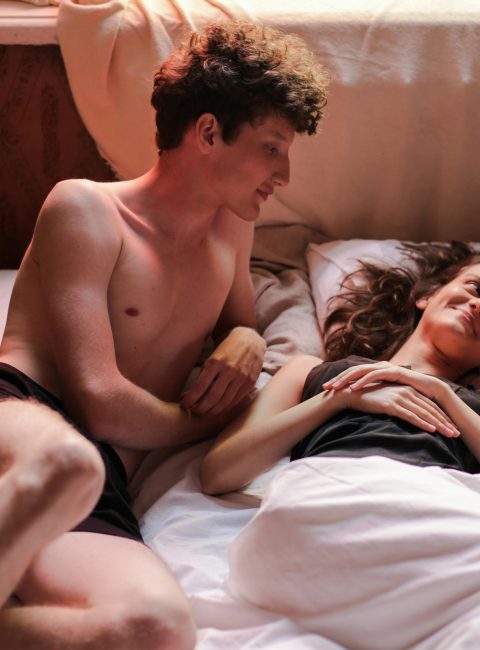
Perhaps that is why peaceful people stand out so much now. A calm person feels almost unfamiliar in environments built around urgency. Someone who moves slowly, sleeps properly, maintains healthy relationships, and protects their attention can seem unusually grounded compared to a culture constantly demanding more.
And maybe that is where the growing shift toward peace truly comes from. People are tired of feeling like every moment of life must be optimized into achievement. They are tired of confusing exhaustion with purpose. Tired of treating rest like something that must be earned after complete depletion.
More people are starting to realize that a meaningful life is not always the loudest, richest, busiest, or most publicly admired one.
Sometimes the better life is simply the one where a person still has enough energy left to enjoy ordinary moments without feeling emotionally depleted all the time.





 Facebook
 Twitter