
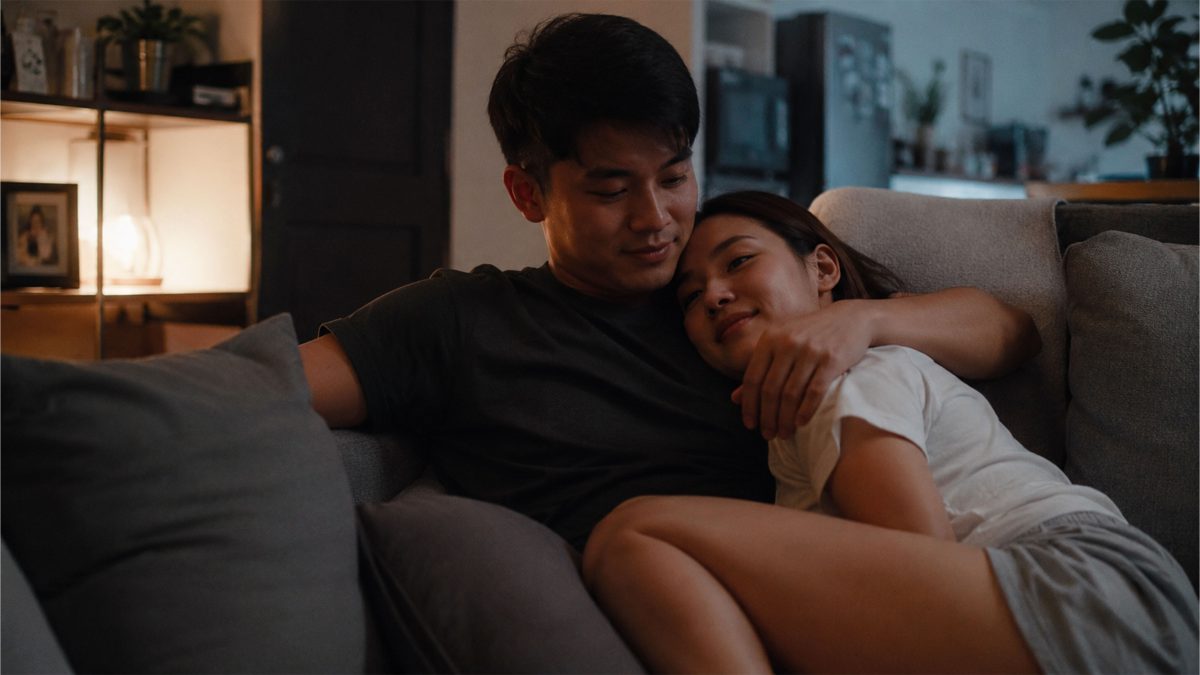
Premarital sex in modern relationships is becoming increasingly normalized among young couples navigating changing expectations around intimacy, commitment, and partnership. For many Filipinos in their mid-20s to early 30s, physical intimacy no longer carries the same sense of rebellion it once did. Instead, it is often viewed as part of emotional compatibility within relationships shaped by longer dating periods, financial realities, and evolving cultural attitudes.
It happened during a quiet weekend in Tagaytay. They had been together for nearly two years, sharing rent in a small condo in Quezon City, arguing over whose family to visit during holidays, and building the kind of comfortable rhythm that comes from truly knowing someone. When marriage came up in conversation, it wasn’t framed as the key that would finally unlock physical intimacy. That part of their relationship had already been woven in months earlier. “It doesn’t feel like rebellion,” she said quietly while watching the fog roll over the volcano. “It just feels like the natural next step of being together.”
For a growing number of young Filipino couples in their mid-20s to early 30s, this sentiment has become surprisingly common. The act that once carried the sharp sting of defiance — sneaking out, hiding from parents, carrying the heavy weight of Catholic guilt and barangay gossip — has quietly lost much of its forbidden thrill. It’s not that everyone treats sex casually or that traditional values have vanished. Instead, the emotional and cultural context surrounding it has shifted, shaped by the realities facing young adults in the Philippines today.
Economic pressures play a bigger role than most admit. Many young professionals delay marriage not because they reject the idea, but because weddings are expensive, housing is tight, and stable jobs feel harder to secure. This creates longer periods of committed dating — sometimes three, four, or even five years. In that extended time, physical intimacy often finds its way in naturally, less as an act of teenage rebellion and more as part of deepening a relationship that already feels like a partnership in every other way.
Constant exposure to global relationship discussions through TikTok, podcasts, streaming shows, and online communities has also softened older taboos around intimacy. Younger adults today are exposed to wider global conversations about relationships, mental health, and personal autonomy through online platforms, podcasts, and streaming content. While traditional beliefs still strongly influence many families and communities, constant exposure to different lifestyles has made discussions around premarital intimacy less hidden than in previous generations.
Urban living has changed the practical landscape too. Young people moving to Manila, Cebu, or Davao for work often escape the close supervision of provincial family homes. Small apartments and condominiums offer privacy that previous generations could only dream of. At the same time, access to better contraception information — even if conversations remain awkward — has reduced some of the life-altering fears that once surrounded premarital sex.

Take Marco and Ana, both 28, who met in college. They waited through their first year together, partly out of habit and partly because of lingering guilt from how they were raised. But the pandemic separated them physically for months, forcing long conversations about what they really wanted from each other. “We realized we were protecting an idea more than protecting ourselves,” Marco shared. When they eventually became intimate, the relationship didn’t fall apart in regret. Instead, it grew more honest. Sex became another way to check in emotionally — a language that revealed stress, affection, or distance when words failed.
Contrast that with older stories. Many parents and aunts still speak of premarital sex as something that “ruined” lives or brought shame to the family. For them, it was often tied to immediate consequences: early pregnancy, forced marriages, or being cut off from family support. Today’s couples have watched those stories closely. Some saw an older sister or cousin marry quickly after getting pregnant, only for the relationship to struggle under financial strain and unresolved incompatibilities. Others witnessed friends who waited until the wedding night describe the experience as beautiful yet overwhelming — stepping into marriage without knowing whether they were sexually compatible with the person they had just vowed to spend their life with.
Those changing attitudes are being shaped by several realities affecting younger generations today.
Why Many Young Couples View Relationships Differently Today
Several social and economic realities have quietly reshaped how younger Filipinos approach intimacy, commitment, and long-term relationships.
- Longer dating periods have become more common as couples delay marriage due to financial pressures.
- Rising housing costs and expensive weddings have changed traditional relationship timelines.
- Many young adults now prioritize emotional compatibility before making long-term commitments.
- Social media and global culture have made conversations about intimacy more open than in previous generations.
- Couples increasingly view relationships as partnerships built on communication, stability, and shared goals.
- Traditional values still remain influential, but younger generations often balance them with modern realities and personal experiences.
This new reality brings its own complications. Social media plays a subtle but powerful role. Couples see curated glimpses of other relationships — vacations, couple goals, quiet domestic moments — which can normalize certain choices while still hiding the private doubts. Young women, in particular, often carry a heavier emotional load. Even as society becomes more open, the old double standard lingers. A woman might worry about being judged as “too easy,” while a man might feel quiet pressure to have experience without openly discussing it.
Yet for many, the decision isn’t made lightly. It emerges from months of trust-building, honest conversations, and a growing belief that knowing each other fully — emotionally, practically, and physically — might actually lead to stronger marriages later. They want to enter married life with eyes open, not shielded by ideals that don’t survive daily realities like money problems, differing family expectations, or mental health challenges.
This shift also forces couples to confront other important questions earlier. When sex is no longer the ultimate boundary, issues like financial habits, conflict resolution, emotional availability, and long-term goals rise to the surface sooner. Some relationships grow deeper through this knowledge. Others discover fundamental incompatibilities and end before more permanent entanglements like children or shared property make leaving much harder. In that sense, the fading sense of rebellion can actually encourage more responsible decision-making.

Of course, this evolution is far from universal. In many rural areas and tightly-knit conservative families, traditional expectations still carry significant emotional weight. Parents may still impose curfews, question living arrangements, or express quiet disappointment. Faith remains central for many, creating internal tension between personal desires and religious upbringing. The negotiation happening inside these couples is often quiet, messy, and deeply personal.
What stands out is how this reflects a broader adaptation in Filipino relationships. We have always balanced strong Catholic roots, tight family ties, and a resilient, practical approach to life. Today’s generation isn’t broadly rejecting marriage or tradition. Many still hope to walk down the aisle and build families. They simply want relationships that feel emotionally stable before making lifelong commitments.
Still, not everyone agrees with the shift. Conservative groups and some religious communities continue to view premarital sex as conflicting with traditional Filipino values. For many families, the subject remains deeply sensitive, especially in households where faith still strongly shapes expectations around dating and marriage
In the end, the idea that premarital sex no longer feels rebellious may say less about moral decline and more about young Filipinos trying to love more honestly in a complicated world. They are figuring out how to honor their values while adapting to economic pressures, longer single lives, and the quiet desire for partnerships that can actually last.
It’s less dramatic than the old forbidden-love stories their parents tell. But it might be more realistic — and ultimately more compassionate — for the people actually doing the loving, building, and hoping for a future together.




 Facebook
 Twitter