
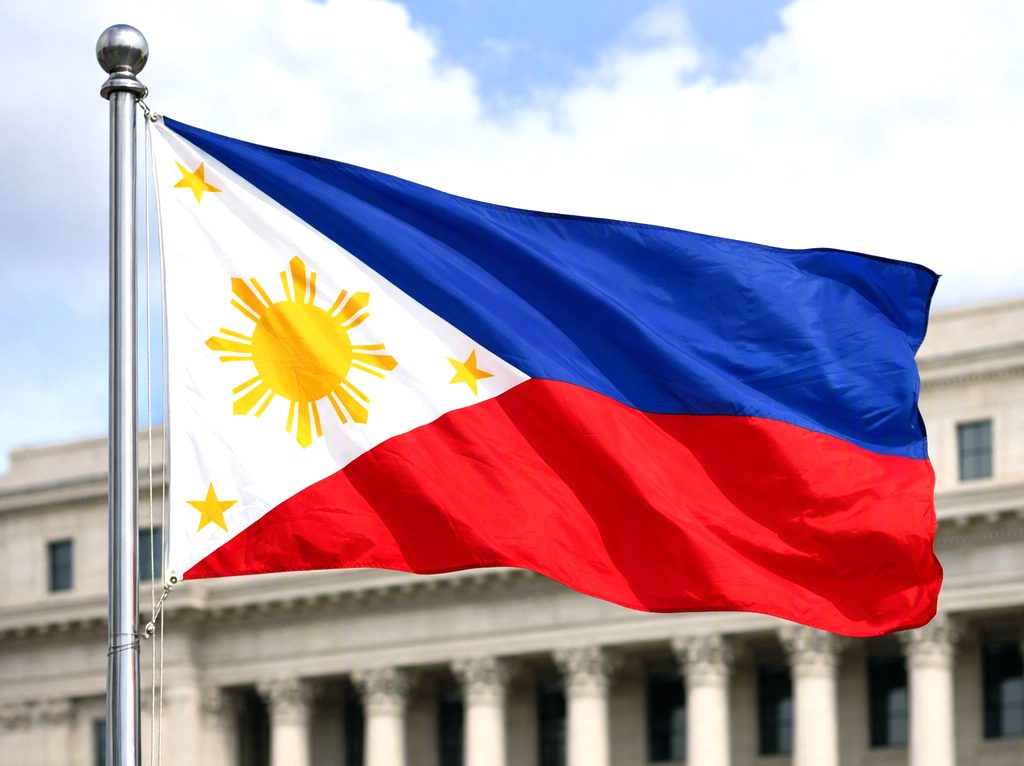
Filipino Culture and Heritage reflect centuries of history, diverse traditions, and influences that have shaped the identity of the Philippines. From its rich cultural roots and renowned hospitality to the achievements of its people, the country continues to be recognized around the world for its resilience, creativity, and strong sense of community.
When he was still alive, Senator Benigno “Ninoy” Aquino said these immortal words: “Filipinos are worth dying for!”
Filipinos are descendants of Malay explorers but the bloodline has been infused with Chinese, Arab, Indian, Spanish, and American lineages. This fusion of cultures has given rise to no less than 111 distinct cultural and linguistic groups, each with its basic Malayo-Polynesian roots but with varying degrees of other foreign influences.
Today, we are known throughout the world. Our warmth and hospitality are noticed wherever we go. Resilient, enduring, and industrious, we are also noted for our talent, versatility, and creativity.
Dr. Jose Rizal, our national hero, is best known for his works Noli Me Tangere (“Touch Me Not”) and El Filibusterismo (“The Rebel”). Touted to be a genius, he could read and write at age 2, and grew up to speak more than 20 languages, including Latin, English, Greek, German, French and Chinese.
Juan Luna is the finest painter this country has ever produced. His painting, The Death of Cleopatra, won second prize in a contest in Madrid, Spain in 1880. This masterpiece is now on exhibit at the Museo Nacional de Pinturas in Madrid. His huge painting, Spolarium, won the first Gold Medal at the Exposicion Nacional de Bellas Artes, also in Spain.
Filipino women are very beautiful. In fact, Gloria Diaz won the Miss Universe title in 1969 and Margarita Moran did it again in 1973. Gemma Cruz was crowned Miss International in 1964, a title which Aurora Pijuan got in 1970 and Melanie Marquez in 1979. Angela Perez Baraquio, the 25-year-old Physical Education teacher who was chosen as Miss America in 2000, is the daughter of Philippine-born parents living in Hawaii.
In the Philippines, Filipinos were introduced to the English language in 1762 by British invaders, not by Americans. Today, the Philippines is the third largest English-speaking country, next to the United States and the United Kingdom. In 1898, the United States bought the Philippines, Puerto Rico, and Guam from Spain.
The first Asian to have entered the prestigious Harvard University of Medicine is Dr. Fe del Mundo, a recipient of the Ramon Magsaysay Award for public service in 1977. Benjamin J. Cayetano is the first and only American of Filipino descent who became the state governor of Hawaii.
In 1977, Alex Tizon, of The Seattle Times, received the coveted Pulitzer Prize in Investigative Reporting, a plum that symbolizes professional excellence in the field of journalism. The plaudit came half a century after Carlos P. Romulo won the prize in International Journalism for Philippines Herald. That award must have helped Romulo become the first Asian and Filipino to head the United Nationsl General Assembly in 1949.
Los Angeles, California was co-founded in 1781 by a Filipino named Antonio Miranda Rodriguez, along with 43 Latinos from Mexico sent by the Spanish government. Filipino doctor Abelardo Aguilar co-discovered the antibiotic “Erythromycin” using the Brand Name Ilosone, coined from the provincial name of Iloilo. The one-chip video camera was first made by Marc Loinaz, a Filipino inventor from New Jersey.
Among the Hollywood celebrities who have claimed that they have Filipino blood running in their veins are Dean Devlin, writer and producer of several hit films like Independence Day and Godzilla; Rob Schneider, a comedian, writer and actor who appeared in Big Daddy and Bench Warmers; Lou Diamond Phillips, the lead actor in La Bamba; Paolo Montalban, the lead actor in the hit TV series Mortal Kombat; Tia Carrere, a pretty actress from Hawaii who appeared in True Lies; and Ernie Reyes Jr., a martial expert who did supporting roles in The Rundown and Rush Hour 2.
Other pure- or part-Filipino celebrities in American showbiz include Von Flores, Nia Peeples (of TV’s Walker: Texas Ranger and The Young and the Restless), Phoebe Cates (star of The Blue Lagoon and Paradise), and brothers Julio Iglesias Jr. and Enrique Iglesias (who are also singers).
Lea Salonga is the first Filipino singer to win the coveted Tony Award for her Broadway performance in Miss Saigon. She also became the first Filipino to have performed at the celebrated Oscar Awards, when she rendered the Walt Disney song, “A Whole New World” before Hollywood celebrities during the 65th annual event in Los Angeles.
The first Filipino act to land a top hit on the US Billboard Hot 100 chart in the 1960s was the group Rocky Fellers of Manila. Sugar Pie deSanto (his father was from the Philippines), Jaya, Foxy Brown and Enrique Iglesias followed.
The list is far from complete. I am sure you know others which are not listed. If you know, please do tell me so I can include them in a sequel I am planning to write.
Now, let me tell you something about our national pride. Philippine Eagle, our national bird, is now one of the most endangered birds of the planet. Sampaguita, which is of jasmine variety, was adopted as our national flower in 1934.
The reason why narra was chosen as our national tree was because they are most abundant in Bicol, Mindanao, and the Cagayan Valley forests. Bangus, our national fish, is a slim, very agile fish in the water, has a silvery gray dorsal area and white ventral area that looks like milk (which is why it is also called milkfish).
Our original ancestral home, and still the home of Filipinos in rural areas, is the bahay kubo, (or nipa hut). The pre-Hispanic architecture was perfectly adapted to the climate and could be easily repaired or rebuilt after the frequent typhoon, flood or earthquake using simple tools and native materials.


 Facebook
 Twitter