
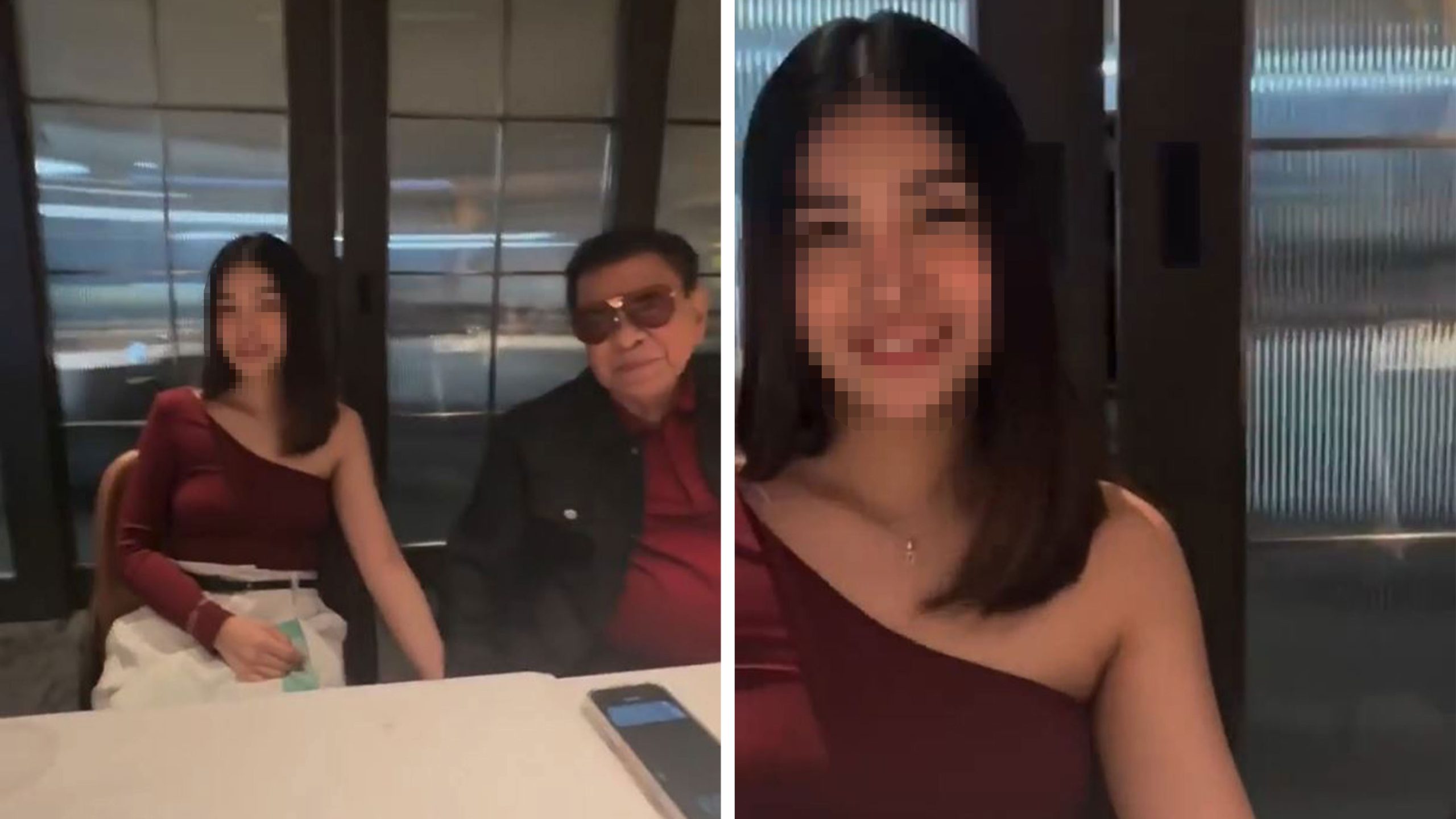
Chavit Singson lucky girl viral video is gaining traction online after a short clip of the veteran politician circulated on social media, prompting speculation about a mystery woman and highlighting how quickly unverified narratives can spread in the digital age.
A short, casually shot video featuring Luis ‘Chavit’ Singson has sparked a wave of online speculation after being shared on a Reddit community, with users playfully referring to a supposed “lucky girl” linked to the veteran politician—highlighting how quickly unverified narratives can gain traction in today’s social media landscape.
The clip, which appears to show Singson in a relaxed setting, was accompanied by a caption suggesting admiration toward an unnamed woman and even jokingly advising her to ignore other suitors. While the tone of the post leans toward humor, its viral spread underscores a recurring pattern in digital spaces where personality-driven content blurs the line between entertainment and perceived news.
Observers noted that the absence of clear context in the video contributed to the intrigue. Without identifiers, timestamps, or official statements, online users were left to interpret the content on their own, often filling gaps with speculation. This dynamic reflects the growing influence of user-generated platforms such as Reddit, where discussions can shape narratives despite lacking verification.
Singson, a long-time political figure and businessman, is no stranger to public attention. His visibility in both governance and private ventures has made him a frequent subject of online conversations. However, this latest wave of attention differs in that it is driven less by policy or public statements and more by a viral moment detached from formal channels.
Wo’s the lucky girl of Manong Chavit?
by u/Icy-Butterscotch5012 in ChikaPH
This development highlights a broader shift in how public figures are discussed in the Philippines. Increasingly, informal platforms serve as entry points for narratives that may later spill into mainstream discourse. While such posts often begin as lighthearted or speculative, their rapid circulation can influence public perception, especially when amplified across multiple social media channels.
The situation also raises questions about digital literacy and content verification among online audiences. In the absence of confirmed information, distinguishing between satire, gossip, and factual reporting becomes more challenging. Media analysts have long emphasized the importance of context in evaluating viral content, particularly when it involves recognizable personalities.
As of writing, there has been no confirmation regarding the identity of the woman mentioned in the post, nor any indication that the video signifies a personal relationship. No statement has been issued by Singson or his representatives to clarify the matter.
For now, the “lucky girl” narrative remains firmly in the realm of online chatter. Yet its popularity serves as a reminder of how quickly narratives can form—and spread—even without substantiated details. In an environment where visibility can shape perception, such moments highlight the need for careful consumption of information, especially when the line between fact and speculation is increasingly difficult to discern.
Beyond the immediate online buzz, the incident reflects a broader shift in how viral content influences public discourse in the Philippines. Experts in digital media have long pointed out that personality-driven clips tend to gain traction faster than policy-related news, especially when they invite speculation or emotional reactions. In this case, the absence of verified details did not prevent engagement—in fact, it may have amplified curiosity. This pattern highlights how audiences increasingly participate in shaping narratives, rather than simply consuming them, raising important questions about responsibility, context, and the evolving role of informal platforms in the news ecosystem.








 Facebook
 Twitter