
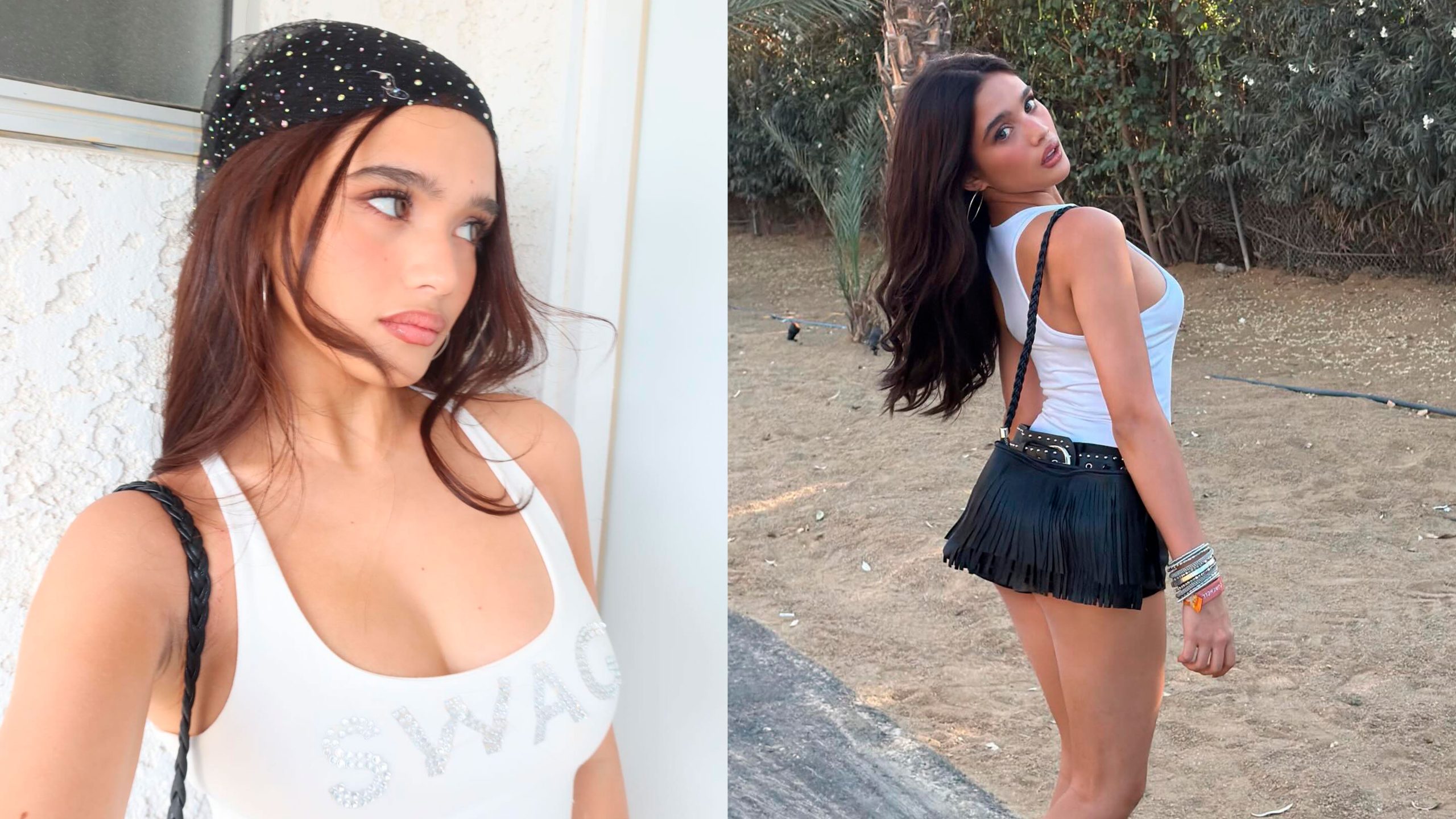
Criza Taa Coachella trip has sparked widespread discussion online after the Filipino actress shared photos from the global music festival, drawing mixed reactions and raising questions about influencer access and visibility.
A recent social media post by Filipino actress and content creator Criza Taa has ignited online discussions, not just about her presence at Coachella, but about the growing scrutiny faced by rising digital personalities when they gain access to high-profile global events.
Taa shared photos and short clips from the internationally known Coachella Valley Music and Arts Festival, prompting mixed reactions from netizens. While many praised her style and presence at the event, others questioned how she managed to attend, given the high costs typically associated with the festival.
Some comments circulating online reflected curiosity over whether the trip was self-funded or supported by brand sponsorships, a common arrangement in the influencer industry. Although no confirmation has been provided, such speculation quickly gained traction, fueling broader conversations across social media platforms.
Observers noted that the reaction highlights how public expectations have shifted in the age of digital influence. Unlike traditional celebrities, emerging personalities like Taa often build their presence through online platforms, where audiences feel a closer sense of connection—and, at times, a stronger sense of entitlement to explanations.
This development underscores how events like Coachella have evolved beyond music, becoming major hubs for influencer marketing, brand collaborations, and global exposure. Industry insiders have long pointed out that attendance is frequently facilitated through partnerships, invitations, or campaign deals, especially for content creators with growing reach.
For Filipino audiences, the situation raises questions about how success is perceived in today’s digital landscape. Visibility on international platforms is increasingly attainable, but it also comes with heightened public attention and, in some cases, skepticism. The discussion surrounding Taa reflects a broader cultural tension between admiration and doubt when local figures achieve global exposure.
At the same time, some netizens expressed support for the young actress, emphasizing that personal achievements should not automatically be met with suspicion. A widely shared sentiment online encouraged others to focus on celebrating milestones rather than questioning them, especially in the absence of verified information.
“Support na lang, hindi bash,” one social media user wrote, echoing a call for a more positive online environment.
The situation also highlights the blurred boundaries between personal life and professional branding in the influencer era. As content creators share more of their experiences online, audiences often interpret these moments through different lenses—ranging from inspiration to scrutiny.
As of writing, Taa has not issued a statement addressing the questions surrounding her Coachella trip. However, the conversation continues to gain traction, reflecting how digital fame in the Philippines is increasingly shaped not just by visibility, but by public perception and engagement.
Ultimately, the issue goes beyond a single trip. It points to a larger shift in how success, access, and authenticity are viewed in a connected world—where every post can spark both admiration and debate.
Beyond the immediate reactions, the Criza Taa Coachella trip also reflects how global events are increasingly becoming part of the digital economy, where visibility is often tied to collaborations and audience reach. As more Filipino creators expand their presence internationally, questions surrounding access, sponsorship, and transparency are likely to become more common. This development highlights the need for a better public understanding of how influencer ecosystems operate, particularly as they continue to shape perceptions of success among younger audiences.






 Facebook
 Twitter