
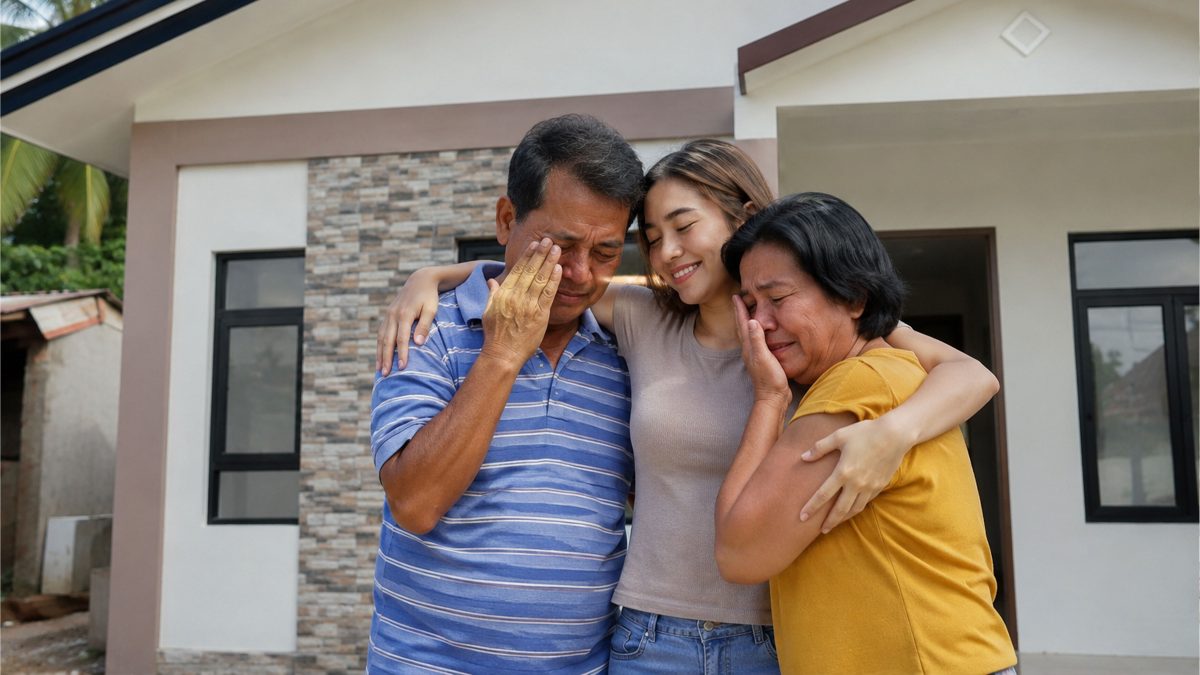
Filipina daughter builds house for parents stories continue to resonate deeply with many Filipinos because they reflect years of sacrifice, perseverance, and gratitude within the family. For countless parents who spent decades putting their children first, receiving a comfortable home becomes more than a financial achievement — it becomes a deeply emotional reward for a lifetime of quiet hardship and unconditional love.
A concrete house standing quietly at the edge of a narrow provincial road may not seem extraordinary to strangers passing by. But for many Filipino parents who spent most of their lives choosing survival over comfort, a home built by their child carries a meaning that goes far beyond painted walls and tiled floors. It becomes proof that every sacrifice, every sleepless night, and every silent struggle eventually led somewhere meaningful.
Stories about children building homes for their parents continue to resonate deeply with Filipinos because they reflect a dream shared by countless families. Behind every newly built house is usually a long history people rarely see online — years of overtime work, postponed personal goals, repaired slippers instead of replaced ones, and parents quietly convincing their children that everything was “okay” even when money was painfully tight.
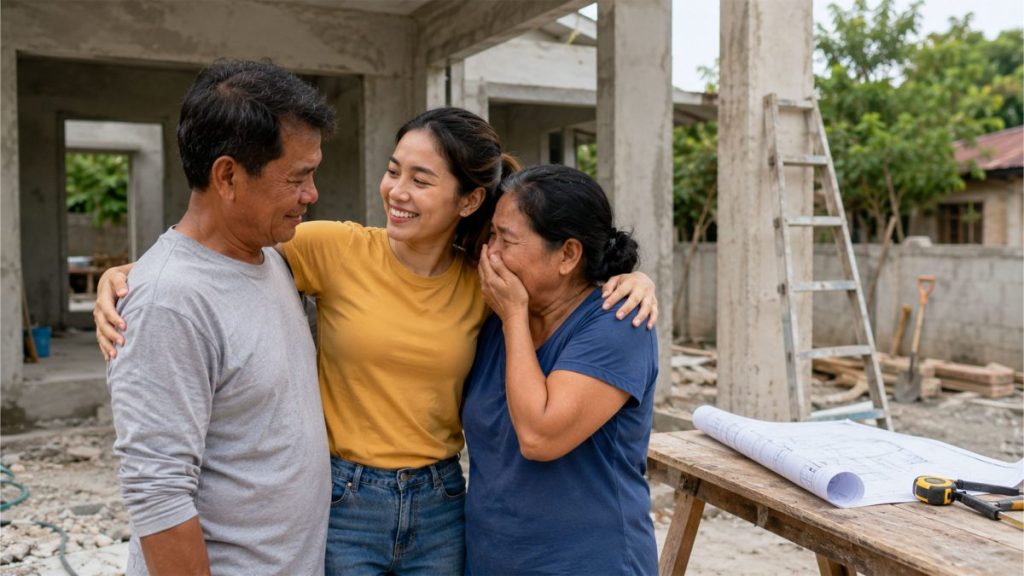
In many households, financial hardship is not always discussed openly. Children simply grow up noticing certain things without needing explanations. Buckets placed under leaking roofs during heavy rain. Electricity bills carefully folded beside a small calendar on the table. Plastic containers reused for years because buying new ones felt unnecessary. Some children only realize years later that their parents skipped meals just to make sure tuition fees and electricity bills were paid on time.
Years later, many adults still remember those quiet moments more vividly than expensive gifts or celebrations.
That is why stories about daughters or sons finally giving back to their parents often feel intensely personal, even to strangers reading them online. The emotional connection does not come from the size of the house itself. It comes from what the house represents: relief after years of carrying responsibilities that never seemed to end.
For many Filipino breadwinners, success is rarely defined by luxury alone. A stable home for the family often matters more than expensive gadgets, designer clothes, or social media status. Some children spend years working abroad, taking double shifts, or saving small portions of their salary each month with one private goal in mind — to someday move their parents into a safer and more comfortable home. Stories involving OFW family sacrifices continue to resonate deeply because countless Filipino households understand the emotional cost of working far away from loved ones.
And in many cases, the parents never ask for it.
Some spend decades living in unfinished houses with hollow-block walls left unpainted because tuition fees always came first. Others continue sleeping in cramped bedrooms long after their children graduate because there is always another urgent expense waiting. Many Filipino parents become so used to sacrifice that comfort eventually stops feeling like something they deserve.
That is what makes moments like these emotionally powerful. A daughter handing her parents the keys to a new house is not simply giving a material gift. She is returning years of love that were never measured financially in the first place.
People connect strongly to these stories because they recognize pieces of their own families in them. A mother waking up before sunrise to prepare meals before work. A father silently enduring exhausting shifts without complaint. Parents finding ways to keep children in school even during difficult seasons. These realities are familiar to millions of Filipinos, which is why gestures of gratitude often feel more moving than displays of wealth.
There is also something deeply cultural about the Filipino attachment to home ownership. In many families, owning a decent home represents dignity, stability, and emotional security. It means no longer worrying about landlords, relocation, or damaged roofs during typhoon season. Many families slowly work toward financial stability through disciplined saving habits and practical family budgeting strategies that help them achieve long-term goals like building or improving a home.
For parents who spent years prioritizing everyone else’s needs before their own, finally receiving a comfortable home can feel almost unreal.
People respond strongly to stories like this because they feel familiar. In a digital environment often dominated by outrage, controversies, and carefully curated lifestyles, genuine acts of gratitude feel refreshing. People are naturally drawn toward reminders that kindness, family loyalty, and perseverance still matter.
Younger readers especially tend to see themselves in these moments. Many quietly carry the same ambition: to someday repay their parents for sacrifices that were never fully acknowledged growing up. Some dream of paying debts. Others want to renovate an old family house, buy appliances their parents avoided purchasing for years, or simply create a home where their family can finally rest comfortably. Conversations around healthy family relationships have also become increasingly important as many Filipinos try to balance financial pressure with emotional well-being inside the home.
For many families, the goal was never luxury. It was simply comfort after years of instability. More often, they come from remembering difficult moments that parents tried hard to hide from their children.
A beautifully finished house may be the visible outcome, but the real story usually begins long before construction ever starts. It begins in years of discipline, patience, homesickness, and determination that nobody applauds publicly. It lives in remittances sent monthly without fail, birthdays missed because of work abroad, and personal wants repeatedly postponed for the sake of family stability.
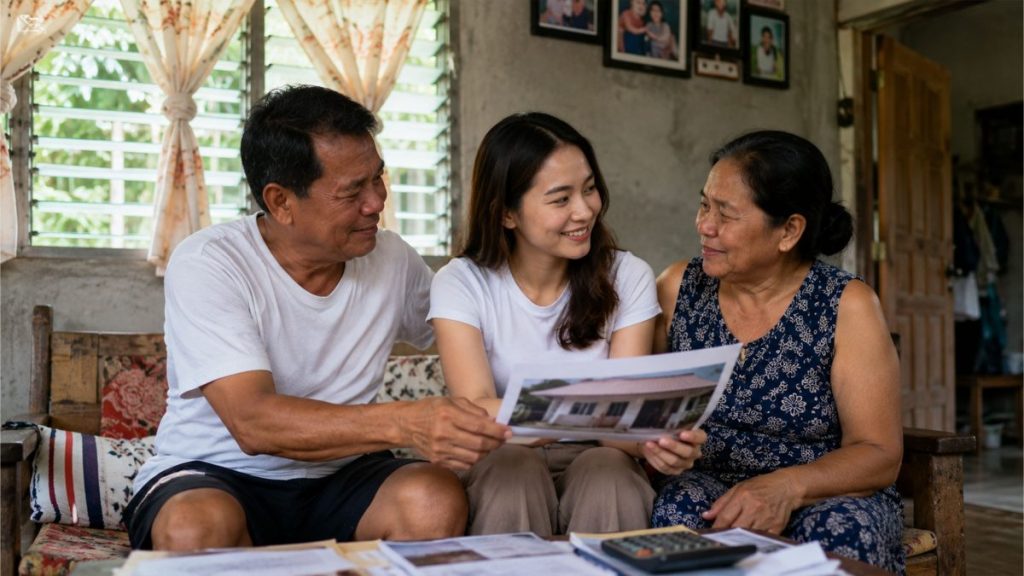
Many families also become more intentional about creating functional and comfortable spaces without overspending. Small renovations, organized living spaces, and practical affordable home improvement projects often carry emotional significance for families who spent years slowly building stability together.
That deeper emotional reality is what continues to make these stories meaningful to readers. They remind people that success becomes more fulfilling when it is shared with the people who helped make it possible in the first place.
Perhaps that is why stories like these continue to resonate so naturally with Filipino readers. Beyond the newly built walls and finished interiors, people recognize something much deeper in them — the quiet dream of one day giving comfort back to the parents who spent most of their lives sacrificing their own.


 Facebook
 Twitter