
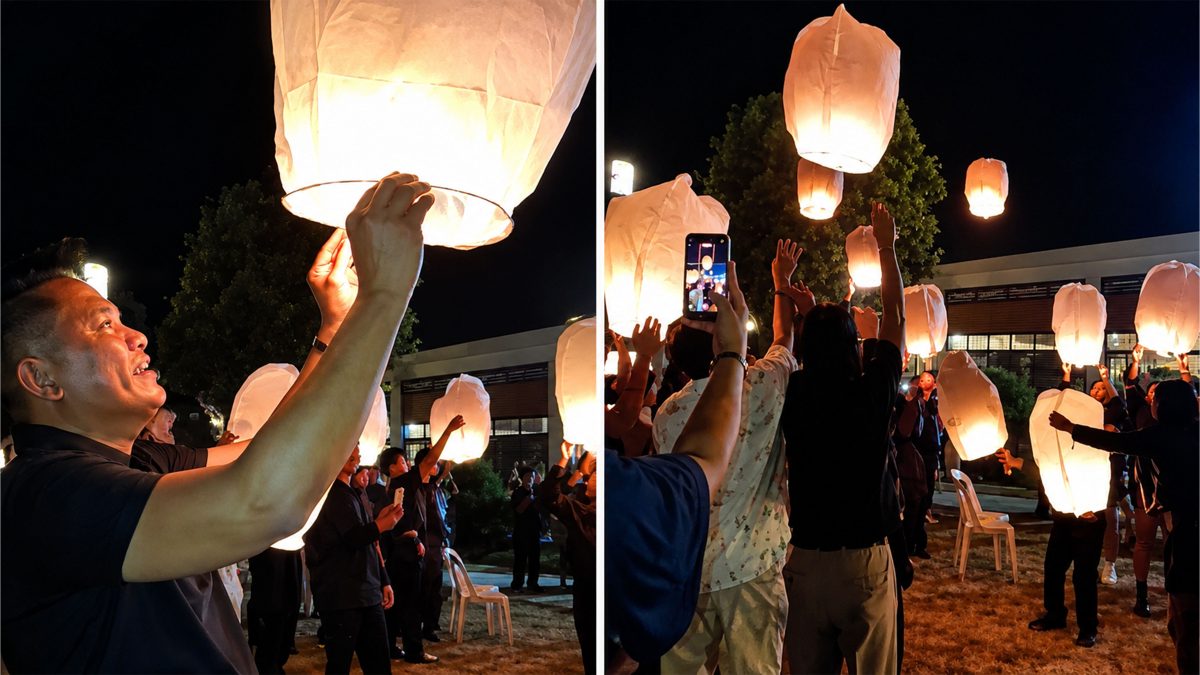
Sky Lantern Wish Gone Wrong videos rarely capture genuine emotion the way this now-viral clip did. During what appeared to be a simple nighttime celebration, a glowing lantern release turned into an unexpectedly funny moment that instantly resonated with viewers. Instead of looking staged or overly dramatic, the video felt real — filled with awkward timing, laughter, and the kind of imperfect memory many people instantly recognized.
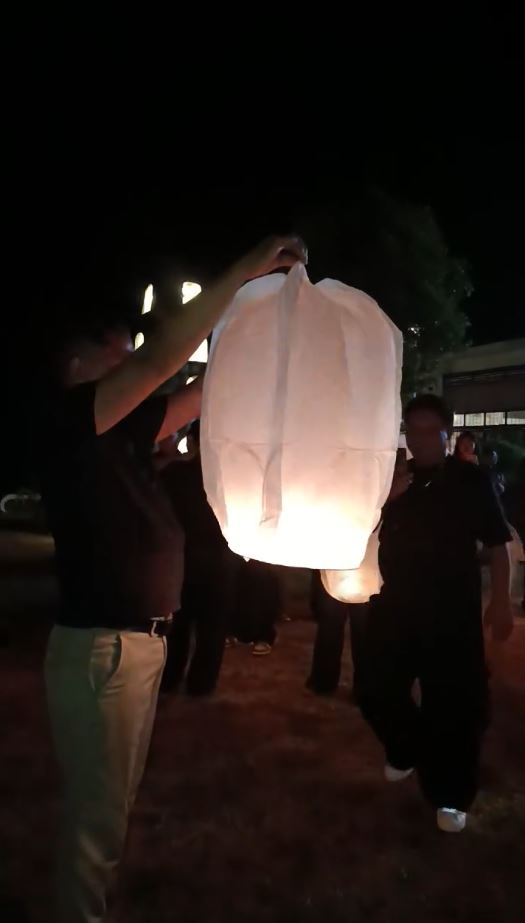
The lantern rose slowly into the night while a small crowd watched from below, phones already pointed toward the sky before the moment even fully happened. Someone laughed in the background. Another person tried helping steady the glowing paper lantern as it filled with hot air. Then came the line that instantly made the video unforgettable: “Sana matupad ang wish ko…”
A few seconds later, the moment unraveled in the most unexpectedly funny way possible.
The clip spread quickly online not because it was dramatic or controversial, but because it felt painfully familiar. Almost everyone has experienced trying to create a perfect memory only for reality to interrupt at exactly the wrong time. A surprise ruined too early. A heartfelt speech drowned out by noise. A carefully planned celebration turning chaotic in seconds. The video captured that awkward gap between expectation and reality — and viewers recognized themselves in it immediately.
What makes the clip work is how unfiltered it feels. Nobody appears overly prepared for the camera. The laughter sounds natural. The reactions happen too quickly to feel staged. Even the way people crowded around the lantern — some excited, some nervous, some simply curious — looked like a typical Filipino gathering where everyone wants to participate in the moment at the same time.

“HAHAHAHAHA ramdam ko yung sincerity bago nangyari yung epic fail.”
“Ganito talaga buhay, may wish ka na nga, may plot twist pa.”
Sky lanterns have become popular during birthdays, reunions, proposals, and celebrations because they create a brief feeling of hope becoming visible. For many people, releasing one into the sky is less about tradition and more about emotion. It gives people a quiet excuse to pause and think about what they truly want — better finances, healing, love, stability, peace of mind, or simply a better year ahead. Across different cultures, sky lanterns have long been associated with hope, remembrance, and personal wishes shared during meaningful gatherings.
That emotional sincerity is probably why the funny ending landed so well. Beneath the humor, viewers could still sense that the person holding the lantern genuinely wanted the moment to mean something.
Filipinos have always had a unique way of handling disappointment in public spaces. Embarrassing moments are rarely left untouched. Someone will laugh first. Someone else will make a joke louder than necessary. Before long, the entire situation becomes a shared memory instead of an uncomfortable one. It is not about mocking failure. It is about softening it together. That kind of emotional connection is deeply tied to the country’s family-oriented culture, where humor often becomes part of how people deal with stress, embarrassment, and everyday struggles.
That energy is visible throughout the video. Even when the lantern moment stopped going according to plan, nobody seemed angry or defensive. The atmosphere stayed light. People laughed the way friends laugh when something unexpectedly goes wrong during a celebration. The clip feels less like a performance for social media and more like something accidentally captured during a real night out.
“Hindi man natupad yung wish, natupad naman yung pagiging viral.”
“Yung tawa ng tropa mo talaga minsan mas memorable pa kaysa sa plano.”
Part of the reason videos like this travel so fast online is because audiences are becoming more selective about authenticity. Viewers can usually tell when a viral clip is overly scripted or designed purely for engagement. Real moments move differently. The timing is messy. The reactions overlap. People talk over each other. Nobody delivers perfect one-liners. That unpredictability makes the experience feel human, especially at a time when online audiences increasingly value authenticity over polished internet personas.
The lantern video also quietly reflects something many adults rarely admit openly: most people carry private wishes into public celebrations. During birthdays and gatherings, people smile for photos and enjoy the noise around them, but somewhere in the middle of those moments are personal hopes they do not always say aloud. A parent hoping work becomes easier. A student hoping to finally graduate. Someone hoping a relationship survives. Someone else hoping life becomes less exhausting.
That is why symbolic gestures like lantern releases continue to resonate even in the age of short-form content and endless scrolling. For a few seconds, people allow themselves to believe their wishes might rise with the light. Emotional memories also tend to become stronger through shared experiences, especially when laughter and unexpected moments are involved.
“Ang cute kasi genuine yung moment. Hindi pilit, hindi scripted.”
“Minsan talaga yung pinaka-funny na memories, yun pa yung pinaka-totoo.”
Ironically, the moment became memorable not because it went perfectly, but because it did not. Years from now, the people in that gathering will probably remember the laughter more clearly than the lantern itself. That is often how real memories work. The imperfect parts survive longer. The awkward timing becomes the story everyone repeats. The failed attempt becomes the funniest moment of the night.
And maybe that is why so many people kept replaying the clip. Not because it was polished, but because it reminded them of something real — that even wishes wrapped in glowing lantern light can still collide with chaos, laughter, and the unpredictability of ordinary life.






 Facebook
 Twitter