
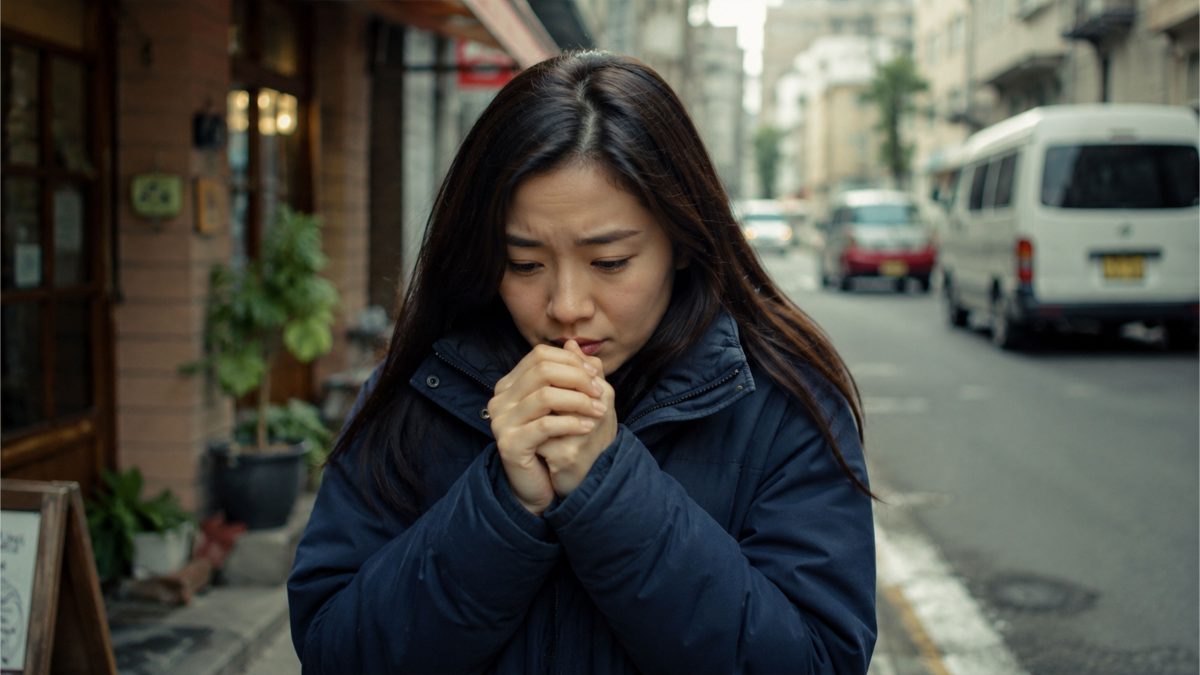
Cold hands and feet causes are often dismissed as harmless, especially in warm countries where people rarely associate circulation issues with daily life. But for many adults, constantly freezing fingers or icy feet can quietly affect sleep, comfort, focus, and even confidence during ordinary situations like commuting, working, or socializing.
Some people notice it during long office meetings. Others feel it while commuting in freezing air-conditioned buses, holding an iced coffee, or lying awake at night rubbing their feet together under the blanket hoping they finally warm up. No matter how comfortable the room feels, their hands and feet seem permanently cold — sometimes mildly annoying, sometimes embarrassing, and occasionally worrying enough to trigger late-night health searches.
It’s one of those physical experiences many people quietly normalize until it starts interfering with daily life. A handshake suddenly feels awkward because your palms are icy. Typing becomes uncomfortable because your fingers feel stiff. Some people even struggle to fall asleep because their feet stay cold for hours. The discomfort sounds small until it starts happening almost every day.
For many people, cold hands and feet are connected to circulation and the body’s natural response to temperature. When the body senses cold or stress, blood vessels near the skin narrow to help preserve warmth around vital organs. According to the Cleveland Clinic, this reaction can happen more easily in some individuals, especially during colder temperatures, emotional stress, or long periods of inactivity.
But not every case is simply about weather.

A surprising number of adults spend most of their day barely moving. Hours of sitting in front of laptops, long commutes, late-night scrolling in bed, skipped meals, and too much caffeine slowly become normal routines. Someone can wake up tired, sit through eight hours of work, rely on coffee to stay alert, and repeat the same cycle daily without realizing their body is functioning in constant stress mode.
The body adapts quietly at first.
Stress and anxiety can also affect circulation more than people realize. During periods of emotional pressure, the nervous system shifts into a heightened state that can tighten blood vessels and redirect blood flow inward. The Mayo Clinic notes that emotional stress may trigger circulation-related symptoms in some people, especially in the hands and feet.
This may explain why many people who constantly overthink, suppress emotions, or stay mentally tense often describe having cold hands more frequently. The body carries stress physically whether a person notices it or not. Some people feel it in their jaw. Others feel it in their stomach, shoulders, or sleep patterns. For some, it quietly shows up through circulation changes they dismiss for years.
In the Philippines, symptoms like these are often brushed aside because people associate circulation problems with colder countries. Someone complaining about freezing hands in a tropical city might even get laughed at. But daily routines have changed dramatically. Many Filipinos now spend most of their time inside heavily air-conditioned offices, malls, cafés, classrooms, or call centers while sitting for long stretches without movement.
Productivity culture also plays a role people rarely talk about.
A lot of adults have become so used to functioning while exhausted that they no longer recognize discomfort as a warning sign. Feeling tired, dizzy, cold, sleep-deprived, or mentally drained becomes part of the routine instead of something worth paying attention to. People continue working through headaches, body pain, and fatigue because slowing down feels irresponsible in a culture that constantly rewards endurance.
That mindset sometimes causes small symptoms to be ignored until they become impossible to dismiss.
Persistent cold hands and feet may occasionally be linked to underlying conditions like anemia, thyroid imbalance, circulation issues, or nerve-related problems. The NHS UK and Johns Hopkins Medicine both note that ongoing temperature sensitivity, numbness, unusual skin color changes, or fatigue may sometimes deserve medical attention, especially when symptoms become frequent or painful.
Still, what makes this experience emotionally relatable is how easy it is to ignore the body when life becomes overwhelming. Many people convince themselves they are “just tired” or naturally cold while quietly adjusting their habits around discomfort. They bring extra jackets everywhere, warm their hands on coffee cups, or sleep in socks every night without thinking much about why their body constantly feels cold in the first place.
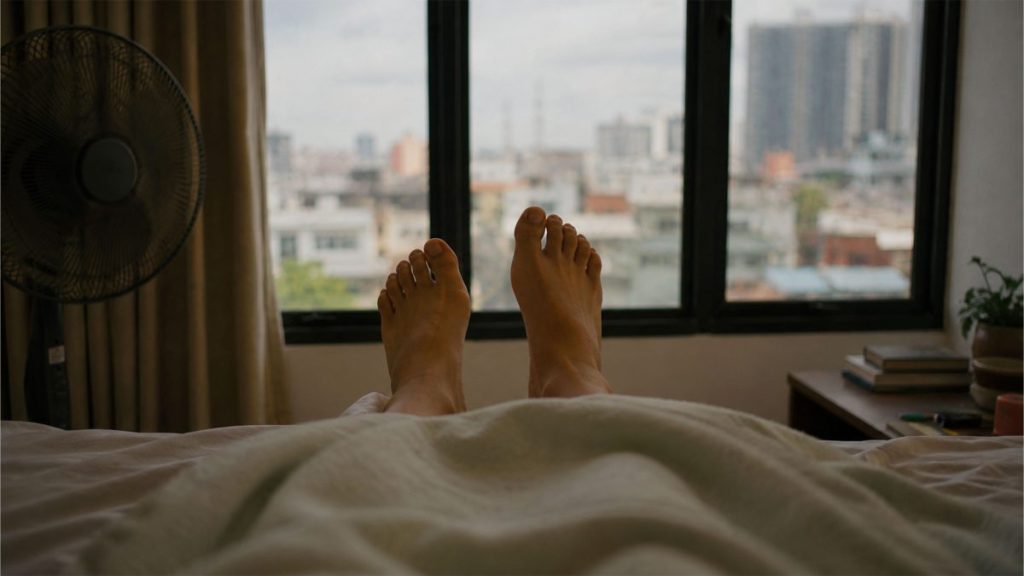
There’s also an emotional side to physical discomfort that often gets overlooked. Feeling physically cold for long periods can affect mood, concentration, sleep quality, and even social confidence. Some people become unusually irritable or restless without realizing how much constant discomfort drains mental energy throughout the day.
Simple changes sometimes help more than expected. Walking regularly, stretching during work hours, improving sleep, eating iron-rich foods, staying hydrated, reducing nicotine intake, and managing stress may improve circulation naturally over time. Even standing up and moving for a few minutes every hour can make a noticeable difference for people who spend most of their day sitting.
But beyond circulation or temperature, cold hands and feet can sometimes reveal something larger about modern life itself.
Many people have become disconnected from their bodies in the pursuit of staying productive, available, and constantly functioning. Small warning signs get pushed aside because there’s always work to finish, responsibilities to carry, or another exhausting day to get through. Over time, people stop asking whether discomfort is normal and simply learn how to live around it.
Sometimes the body whispers long before it starts screaming.







 Facebook
 Twitter