
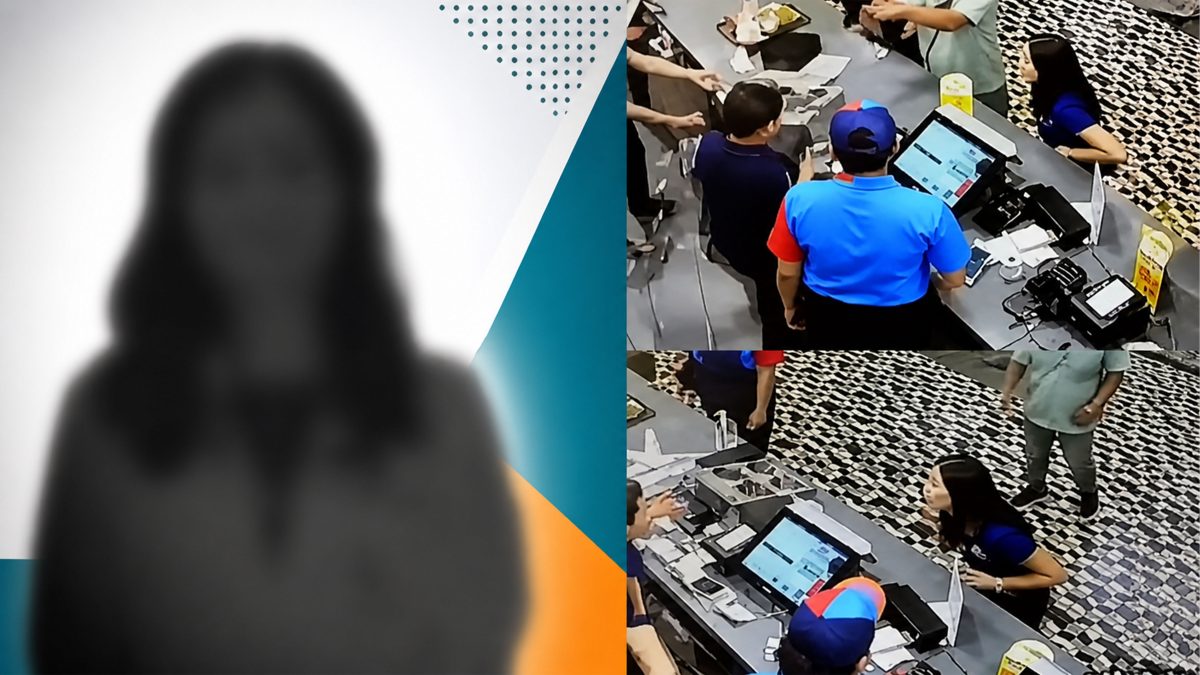
Jollibee refund delay incident discussions surged online after a heated confrontation inside a Pampanga branch exposed a growing gap between digital payment systems and customer expectations. The situation quickly moved beyond a single dispute, reflecting shifting public behavior in a cashless-driven environment.
A confrontation inside a Jollibee branch has ignited more than online outrage—it has exposed a growing gap between how digital payment systems work and how customers expect them to respond. The incident, which gained traction after clips circulated on social media, is now being viewed less as an isolated outburst and more as a reflection of shifting public behavior in a cashless-driven environment.
The situation reportedly began with a refund request linked to a non-cash transaction. Store personnel explained that reversals for such payments are not immediate and typically take several business days to process, as they pass through banks or third-party platforms. Despite this standard procedure, the exchange escalated, drawing attention from other customers and eventually from a wider online audience.
Observers noted that the reaction highlights a broader pattern in consumer culture, where speed has redefined expectations. With digital payments completed in seconds, delays—especially those tied to backend systems—can feel unacceptable to customers accustomed to instant results. This creates friction in environments like fast-food chains, where quick service is expected but not all processes are within immediate control.
The development underscores a growing disconnect between convenience and understanding. While technology has simplified transactions, it has also introduced layers that remain invisible to most users. Refund timelines, in particular, depend on verification systems that operate independently of the store, making immediate resolutions impossible in many cases.
“People assume the store can just give it back instantly, but that’s not how digital refunds work,” one commenter observed, pointing to a widespread misunderstanding of payment systems.
That perspective reflects a deeper issue: the tendency to assign responsibility to the most visible party, even when the limitation lies elsewhere. For frontline workers, this often means handling frustration over processes they cannot alter, placing them in difficult and sometimes confrontational situations.
Other reactions focused on conduct rather than the technical explanation.
“Regardless of the reason, losing composure in public over a delay raises concerns,” another user shared, suggesting that professional behavior remains a key expectation.
This response signals how the discussion has expanded beyond the refund itself. In the Philippine context, where respect and self-control are strongly valued in public interactions, visible outbursts can quickly become points of social reflection rather than just isolated incidents.
Still, some voices urged caution in drawing firm conclusions.
“There could be more behind the reaction, but it also shows how pressure can surface in everyday situations,” a commenter noted, introducing the possibility of underlying stress factors.
This balance between accountability and understanding highlights a more complex reality. While emotional responses may have deeper causes, public-facing interactions—especially in shared spaces—require a level of restraint that aligns with social norms.
For many Filipinos, the incident resonates because it mirrors common experiences: navigating digital payments, waiting for system-based processes, and dealing with service limitations. It raises a timely question about readiness—whether users have adapted not just to the convenience of technology, but also to its constraints.
Ultimately, the issue extends beyond a delayed refund. It points to a widening digital literacy gap, where expectations shaped by speed are not always matched by awareness of how systems function. As cashless transactions continue to expand across the Philippines, the ability to manage both expectations and reactions may become an essential part of everyday interactions—particularly in a service culture where respect remains fundamental.
The incident also reflects a widening digital literacy gap in the Philippines, where rapid adoption of e-wallets and cashless payments has not always been matched by public understanding of how these systems operate. While urban consumers increasingly rely on seamless transactions, fewer are aware of backend processes such as bank clearing cycles and third-party verification. This gap can lead to misplaced expectations, particularly in everyday settings like fast-food chains, where speed is associated with total service control. Observers noted that without stronger consumer awareness, similar conflicts may continue to surface as digital payments become the norm rather than the exception.







 Facebook
 Twitter