
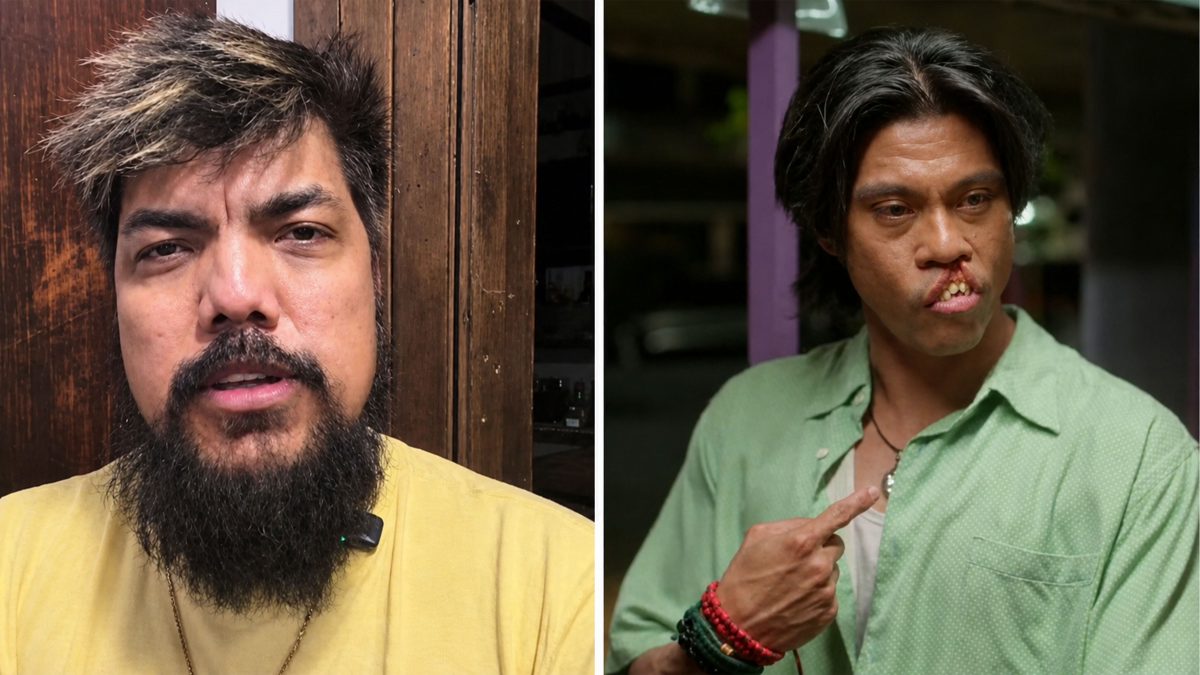
Big Mak Love Ngo controversy is drawing attention online after former PBA player Mark “Big Mak” Andaya criticized the film’s comedic approach, prompting a wider discussion on how humor rooted in ridicule is perceived in Filipino digital spaces.
A short video posted by former PBA player Mark “Big Mak” Andaya has done more than call out a film—it has triggered a wider reassessment of how humor rooted in ridicule is consumed and defended in Filipino online spaces. As the clip circulated across Facebook, discussions quickly moved beyond the movie Love, Ngo, exposing a deeper tension between entertainment and lived experience.
Andaya, known to many as “Big Mak,” expressed strong criticism of the film’s comedic framing, arguing that what may appear humorous to some can reflect realities that others continue to endure. His message resonated not simply because of its tone, but because it reframed comedy as something that can shape behavior rather than just reflect it.
The development highlights how social media now functions as both amplifier and filter. Viewers did not just react to the statement—they interpreted it through their own experiences, turning the comment section into a space for negotiation between humor and sensitivity. Observers noted that this kind of response reflects a broader pattern in Philippine digital culture, where viral posts often evolve into discussions about values rather than just opinions.
“Nakakatawa dati, pero ngayon parang naiisip ko kung sino yung tinatamaan ng ganung jokes,” one Facebook user wrote, pointing to a shift in how audiences process humor over time.
This shift becomes more apparent when placed alongside the promotional material of the film itself. The trailer for Love, Ngo introduces a comedic tone centered on a character that some viewers now see as potentially reinforcing stereotypes, especially when viewed in today’s more socially aware environment.
What stands out is not just the content of the film, but the reaction it has generated before its full release. This raises questions about whether audience expectations have evolved faster than the industry’s creative direction. While exaggerated portrayals have long been a staple of Filipino comedy, digital audiences are increasingly scrutinizing how these portrayals affect real-world perceptions.
“Hindi naman lahat dapat seryoso, pero may limit din kung sino yung ginagawang biro,” another commenter shared, reflecting the tension between creative freedom and accountability.
Andaya’s framing of the issue—centered on lived experience rather than abstract offense—appears to have influenced how the conversation unfolded. Instead of focusing solely on whether the film is “funny,” many users began discussing who carries the weight of that humor. This shift suggests that public figures can still shape discourse, but only when their message aligns with sentiments already forming within the audience.
“Kung mas marami nang nagre-react, ibig sabihin may nagbabago sa pananaw ng tao,” a third user noted, describing the reaction as part of a broader cultural transition.
The timing is notable. As Filipino content reaches wider audiences through streaming platforms and social media, the boundaries of acceptable humor are being renegotiated in real time. What once passed without scrutiny now faces layered interpretations from a more engaged and vocal public.
Ultimately, the conversation sparked by Andaya’s video signals more than disagreement over a single film. It reflects a shift in how Filipinos engage with comedy—less as passive viewers and more as participants shaping what should, and should not, be laughed at. For creators, this evolving landscape presents not just a challenge, but a recalibration of what it means to connect with an audience that is increasingly conscious of impact.
The discussion also reflects how Filipino audiences are becoming more participatory in shaping entertainment standards. Unlike in previous years where reactions were largely passive, social media now enables viewers to challenge narratives in real time. This shift suggests that content creators are no longer just producing for consumption but are engaging with an audience that actively negotiates meaning, impact, and responsibility.



 Facebook
 Twitter