
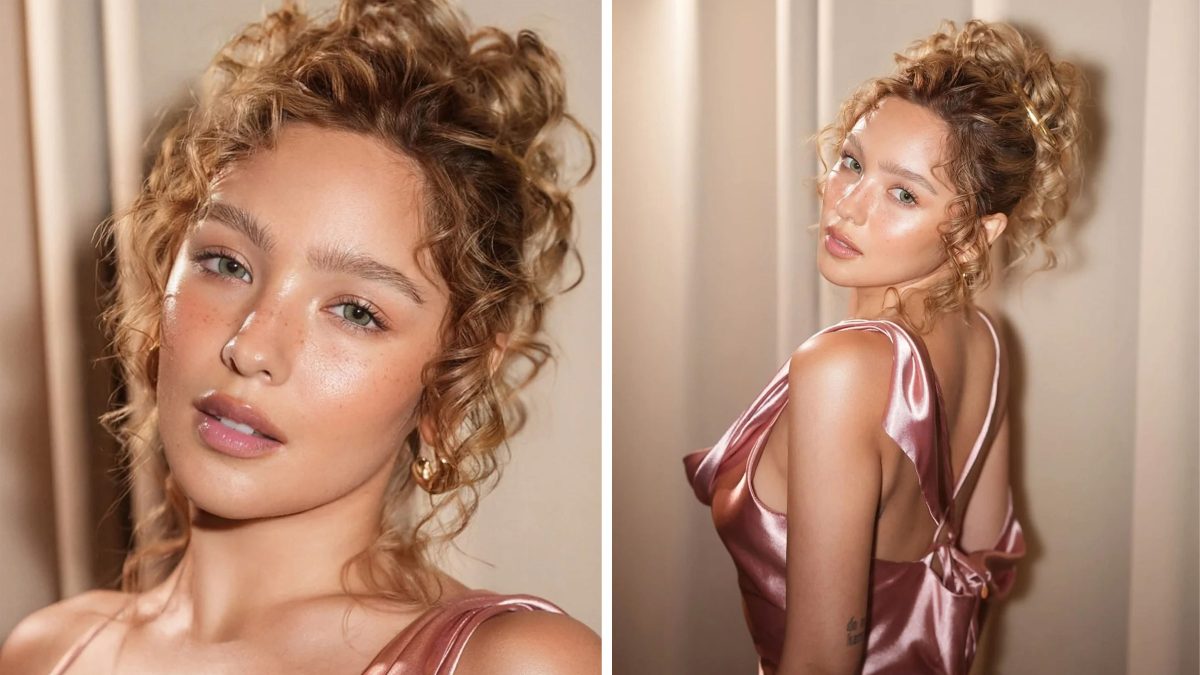
Andrea Brillantes Latina look is gaining traction online after a Reddit post in the PinoyVloggers community highlighted her latest makeup and styling, sparking discussion among Filipino netizens about how global beauty trends are interpreted and labeled in local digital spaces.
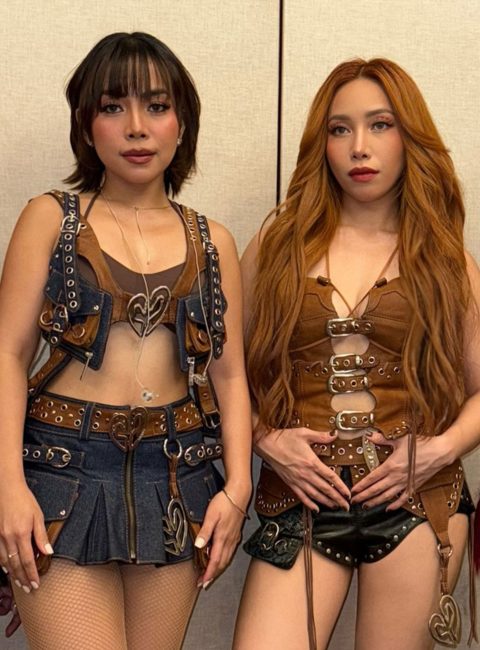
A recent post circulating on Reddit’s PinoyVloggers community featuring Andrea Brillantes has prompted more than admiration, drawing attention to how Filipino audiences interpret global beauty trends and apply them to local personalities. Shared by a user highlighting her makeup and styling, the image quickly gained traction as commenters described the look using terms associated with Latin-inspired aesthetics.
Rather than focusing solely on the image, discussions centered on how viewers labeled the overall appearance. The styling—marked by warm tones, softly defined features, and voluminous curls—led some users to describe the look as “Latina,” a term increasingly used online as a shorthand for a particular visual style rather than a direct reference to ethnicity. Observers noted that this reflects a broader pattern in digital spaces where aesthetic categories are shaped by global media exposure.
Brillantes, widely recognized for her influence among younger Filipino audiences and strong presence across social platforms, has often been at the center of style conversations. In this instance, however, the attention shifted from fashion or makeup trends to how identity is visually interpreted. This suggests that online audiences are not only consuming beauty content but also actively assigning meaning to it based on familiar global references.
“Her makeup really suits her here—there’s a different aura, parang may Latina vibe,” one commenter wrote.
Such reactions indicate that the term is being used descriptively, pointing to a specific aesthetic rather than implying heritage. The development highlights how Filipino netizens navigate a shared visual language influenced by international celebrities and digital creators, where terms like “Latina,” “Korean,” or “Western glam” function as style categories.
At the same time, the discussion raises questions about how these labels shape perception. While largely positive, the repeated use of external descriptors suggests a tendency to frame standout looks through global benchmarks. Observers noted that this reflects how online admiration is increasingly expressed through comparisons, rather than purely local references.
“One of her best looks so far—ibang dating, very polished and striking,” another user commented.
This perspective underscores how presentation can alter audience perception without necessarily changing identity. The development highlights how visual styling alone can influence how a public figure is interpreted, even in a single circulating image.
The timing of the discussion aligns with the continued rise of cross-cultural beauty trends on platforms such as TikTok and Instagram, where looks are often categorized by region regardless of origin. This raises questions about how quickly audiences adopt and adapt global descriptors, and whether these labels enhance appreciation or oversimplify cultural distinctions.
“It really fits her, parang mas international yung dating niya dito,” a third comment read.
This reflects how audiences increasingly associate certain styles with a more global or cosmopolitan appeal. Observers noted that such reactions reveal a shift in how beauty is framed—not as fixed identity, but as something fluid and influenced by presentation.
What emerges from the conversation is not simply a viral appreciation post, but a deeper look at how Filipino audiences engage with evolving beauty language online. As digital platforms continue to blend cultural influences, the way people describe appearance is becoming more layered—highlighting both the reach of global trends and the need for more nuanced understanding of identity in visual culture.
Observers also note that the Andrea Brillantes Latina look discussion reflects how visual trends now move faster than cultural context. As styles circulate globally through short-form content and influencer-driven platforms, audiences often adopt descriptive labels without fully considering their origins. This shift suggests that digital exposure is not only shaping preferences but also redefining how identity is casually interpreted in everyday online conversations.

 Facebook
 Twitter