
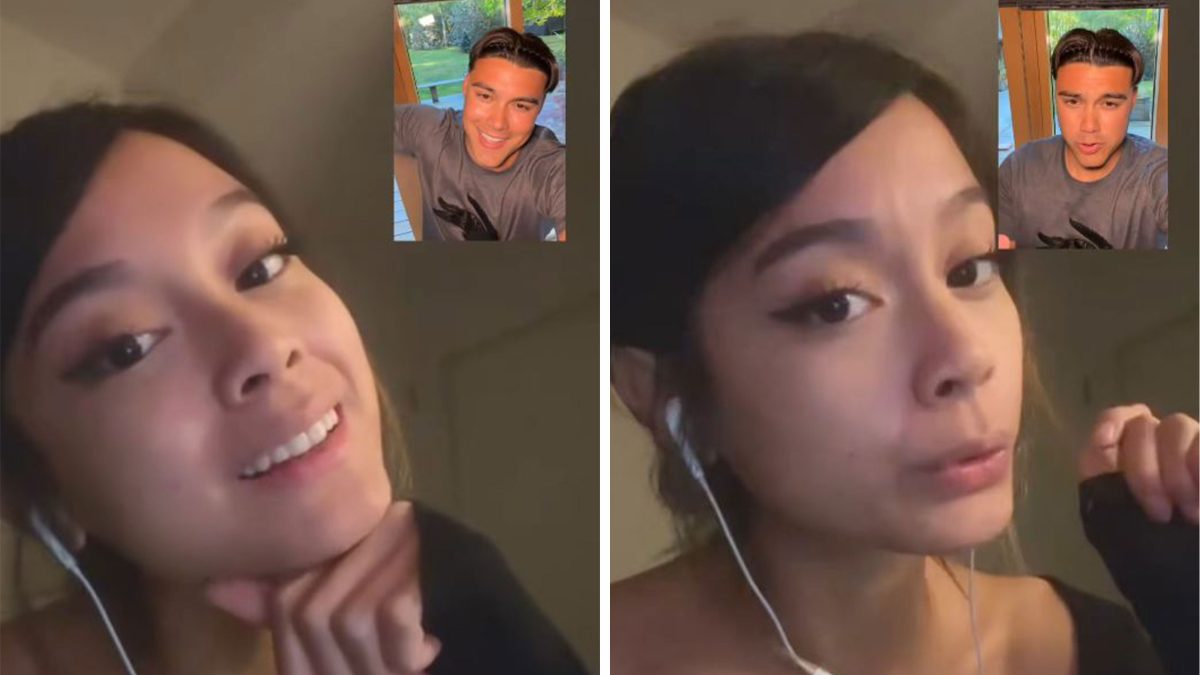
TikTok O Pag-ibig duet content is gaining traction online as a viral split-screen performance draws attention to the enduring appeal of classic OPM among younger Filipino audiences. The clip has sparked renewed conversations about how timeless love songs continue to resonate in today’s fast-paced digital landscape.
A TikTok duet featuring a Filipino creator and a female singer has reignited online conversations about classic OPM love songs, with viewers drawn not only to the performance but also to the emotions it evoked among a new generation of listeners.
The short video, posted by content creator Bailey May, shows a split-screen performance where he reacts and harmonizes with a woman singing what appears to be a rendition inspired by the iconic “O Pag-ibig.” While the clip itself is simple, its rapid spread across social media highlights how older Filipino music continues to find relevance in today’s digital spaces.
Observers noted that the appeal of the video lies in its authenticity rather than production value. The female singer appears in a relaxed setting, wearing earphones and delivering a soft, controlled vocal performance. Meanwhile, Bailey May’s reactions—smiling, nodding, and occasionally singing along—create a sense of connection that resonates with viewers.
@baileytmay 10 years of O Pag Ibig 💫 I think I need some tubig in 2026… #Bailona ♬ original sound – bailey may
“Ariana and Justin Bieber Pinoy version 🔥”
This comment reflects how some viewers interpret the duet as a localized take on global pop dynamics, blending Filipino musical sensibilities with modern online formats.
The situation also highlights how TikTok has become a platform for rediscovering and reinterpreting Original Pilipino Music (OPM). Unlike traditional media, where exposure is often controlled by industry gatekeepers, social media allows organic revival of older songs through user-driven trends.
“9/10 walang choker 🖤”
While lighthearted, such remarks also show how audiences engage with both performance and visual presentation, emphasizing the multifaceted nature of online content consumption.
Beyond entertainment, the viral moment underscores a broader cultural shift. Younger Filipinos, many of whom did not grow up with classic OPM ballads, are now encountering these songs through short-form videos. This creates a bridge between generations, where music becomes a shared cultural touchpoint rather than a relic of the past.
The growing popularity of duet-style content also raises questions about authorship and interpretation. Unlike traditional covers, TikTok duets allow creators to interact in real time—reacting, harmonizing, or even recontextualizing a performance. This format transforms passive listening into collaborative storytelling.
This development highlights the evolving nature of music consumption in the Philippines. As streaming and social media continue to dominate, the definition of a “hit” is no longer confined to radio charts or album sales. Instead, virality, relatability, and shareability now play a significant role in determining cultural impact.
For Filipino creators, this presents both opportunities and challenges. While viral exposure can launch careers or revive interest in older works, it also demands constant innovation to maintain audience attention in an increasingly crowded digital landscape.
The video’s traction ultimately points to a simple but powerful truth: music that resonates emotionally will always find its audience, regardless of platform or era. In this case, a quiet, heartfelt duet managed to cut through the noise—reminding viewers that even in a fast-paced online world, sincerity still matters.
Industry observers note that this trend may influence how music labels and artists approach content distribution moving forward. Instead of relying solely on traditional promotion, there is increasing value in user-generated formats that encourage interaction and reinterpretation. This shift could reshape how OPM is marketed, particularly to overseas Filipinos and younger demographics who primarily consume content through mobile platforms.




 Facebook
 Twitter