

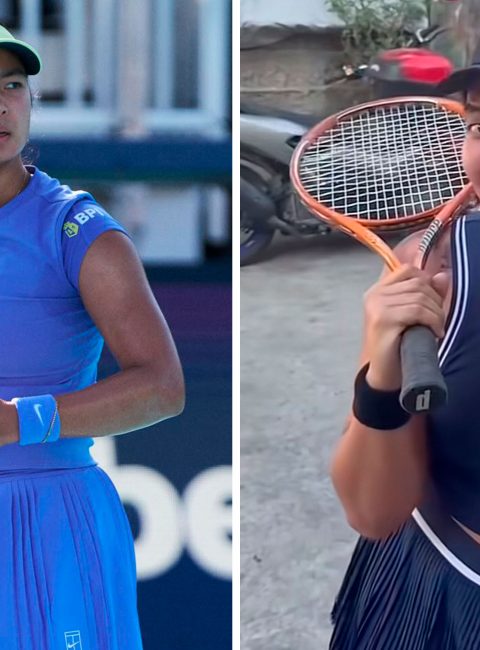
John Mark Kyla TikTok collab has drawn widespread attention after Ogie Diaz expressed admiration for the creator’s effort, but the viral moment is also prompting deeper discussion about the realities behind digital visibility. What began as a simple interaction has revealed how far some Filipino creators go just to gain recognition online.
What initially appeared to be a feel-good moment about a rising content creator meeting a celebrity has instead opened a deeper conversation about how far Filipinos are willing to go just to be seen online. The viral attention surrounding John Mark’s collaboration with singer Kyla reveals not just determination, but the growing pressure behind digital visibility.
The interaction, which gained traction after being shared through a YouTube interview and widely reposted across TikTok and Facebook, showed how John Mark’s consistent engagement with Kyla’s content eventually led to direct recognition. That online connection turned into a collaboration opportunity—but only after he made a difficult decision to sell personal belongings to fund his trip to Manila.
Observers noted that while the story is being celebrated as inspiring, it also reflects a broader pattern in the Philippine creator space. Opportunities are often concentrated in major cities, leaving aspiring creators from other areas to bridge the gap on their own, sometimes at significant personal cost.
“Nakaka-inspire siya, pero parang nakakapagod isipin na ganito pala kailangan para mapansin,” one user wrote in a Facebook discussion thread, pointing to the emotional weight behind what many initially saw as a simple success story.
The development highlights how narratives of sacrifice continue to shape the way digital success is perceived. In a culture where resilience is often admired, stories like John Mark’s can easily be framed as proof of passion. But they also raise questions about whether such sacrifices are becoming quietly expected rather than exceptional.
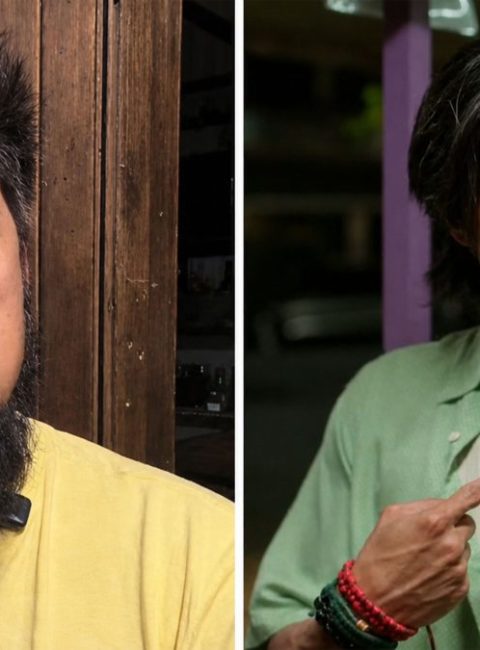
When media personality Ogie Diaz expressed admiration for John Mark’s effort, it amplified the story even further. His reaction helped bring mainstream attention to the moment, but also underscored how influential figures can shape how these narratives are interpreted by the public.
“Hindi lahat may ganitong pagkakataon o kakayahan. Sana hindi ito maging sukatan ng success,” another netizen commented, reflecting concerns about fairness and accessibility in the creator industry.
Across TikTok comment sections, similar sentiments emerged, with some users shifting the focus away from individual determination toward systemic limitations. The discussion has gradually moved from celebrating effort to questioning the environment that makes such effort necessary in the first place.
“Ang sipag niya, pero dapat may mas maayos na support para sa mga creator na hindi taga-Maynila,” one post read, echoing calls for more inclusive opportunities.
This raises a critical point about the evolving nature of online success in the Philippines. Visibility is no longer just about creativity—it is increasingly tied to resources, location, and the ability to sustain risks without assurance of return.
Ultimately, John Mark’s collaboration with Kyla is more than a viral milestone. It reflects a shifting reality where recognition can come at a cost that not everyone is in a position to afford. As audiences continue to engage with stories like this, the focus may gradually move from admiration to a more difficult, necessary question: whether the system itself needs to change.
Analysts note that the rise of stories like the John Mark Kyla TikTok collab reflects a shift in how success is measured in the digital space. Rather than focusing solely on content quality, visibility is increasingly tied to timing, engagement, and access to influential networks. This creates an uneven playing field where creators with fewer resources must rely on personal sacrifice to compete, raising concerns about long-term sustainability in the industry.





 Facebook
 Twitter