
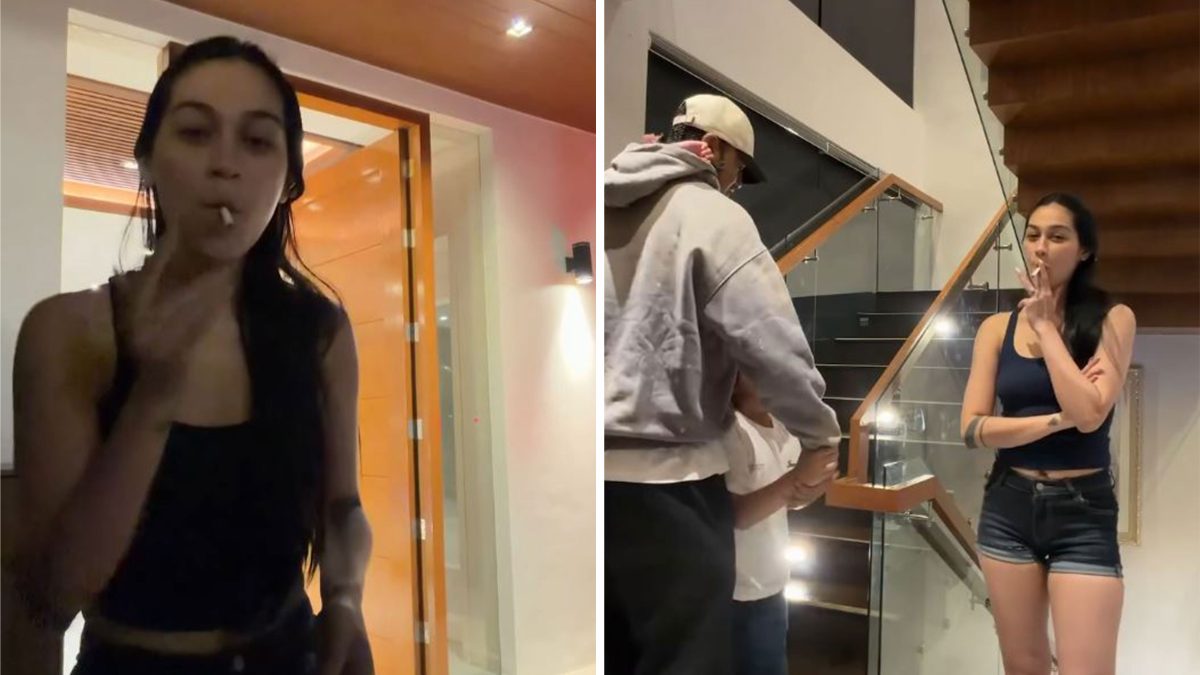
Zeinab Harake yosi prank video quickly gained traction online, drawing attention not only for its humor but also for the broader conversation it sparked about prank culture and audience sensitivity in digital content.
A short video posted by content creator Zeinab Harake has quickly gained traction online, drawing attention not just for its humor but for the conversations it sparked among viewers about boundaries in prank content. The clip, which features a lighthearted “yosi” (cigarette) prank, has circulated widely across social media platforms, accumulating reactions within hours of posting.
In the video, Harake appears to playfully stage a scenario involving a cigarette, prompting a surprised response that viewers interpreted as both comedic and unexpected. While the tone of the clip remains casual and aligned with her usual content style, its rapid spread highlights how even simple pranks can trigger broader audience engagement in today’s digital landscape.
“Yosi prank mapapatay nila ako 😂😂,” read one of the captions associated with the post, reflecting the humorous intent behind the video.
Online reactions were immediate and varied. Some viewers expressed amusement, noting the relatability of the situation and Harake’s natural on-camera presence. Others, however, pointed out that prank content—especially those involving potentially sensitive themes like smoking—can sometimes invite mixed interpretations depending on audience perspective.
Observers noted that the viral moment underscores a continuing shift in Filipino digital content, where creators are balancing entertainment with audience sensitivity. As platforms evolve, so too does the expectation for influencers to remain aware of how their content may be received across different demographics.
Harake, known for sharing lifestyle content and personal moments with her audience, has built a strong following by maintaining a casual and authentic online persona. Her content often blends humor with everyday experiences, which contributes to its wide appeal among Filipino viewers. The latest video reflects that same approach, though its viral reach has placed it under closer scrutiny.
“Nakakatawa pero parang nakakakaba rin panoorin,” one netizen commented, echoing a sentiment shared by others who found the prank both entertaining and slightly tense.
This development highlights how viral content in the Philippines increasingly goes beyond entertainment value, becoming part of larger discussions about responsibility in digital storytelling. The situation raises questions about how far prank culture can go before it shifts from harmless fun to content that may be interpreted differently by audiences.
For many Filipino viewers, the appeal of such videos lies in their spontaneity and relatability. However, as content creators gain influence, their posts often carry unintended implications that resonate more broadly than initially expected.
The incident also reflects the fast-moving nature of social media trends, where a single clip can quickly become a talking point nationwide. As creators like Harake continue to innovate and engage audiences, the balance between humor and awareness remains a key factor in sustaining public trust.
Ultimately, the viral “yosi” prank serves as a reminder of how digital content, no matter how brief, can generate meaningful conversations—highlighting not only the power of online platforms but also the evolving expectations placed on those who use them.
Media analysts point out that prank videos remain one of the most shared content formats in the Philippines due to their instant entertainment value and relatability. However, as digital audiences become more diverse, creators are increasingly navigating a fine line between humor and responsibility. This trend reflects a shift in viewer expectations, where content is not only consumed for entertainment but also assessed for its social context and potential influence.





 Facebook
 Twitter