
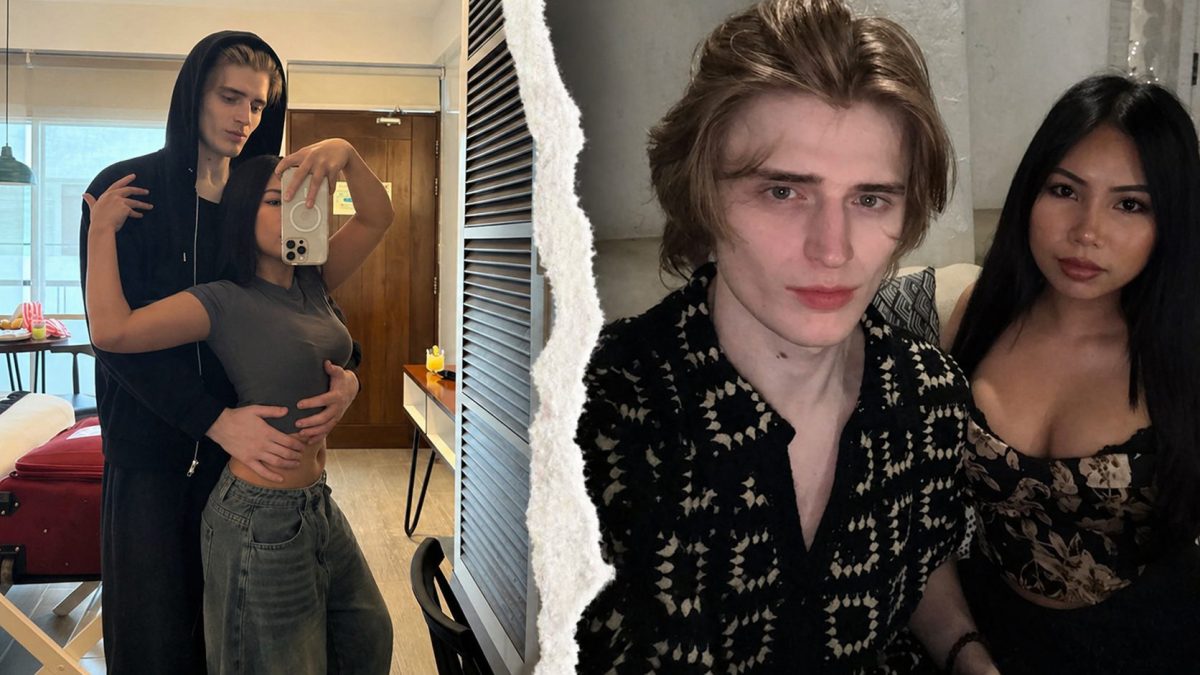
Paul Marsden Lie Reposposa breakup has drawn widespread attention online after the social media personality confirmed their split through an emotional message. The announcement not only revealed the end of their relationship but also highlighted how public figures manage personal transitions in an increasingly digital and highly visible environment.
Social media buzz intensified after a heartfelt statement from Paul Marsden surfaced online, confirming the end of his relationship with Filipino singer and content creator Lie Reposposa. Beyond the emotional tone, the post has drawn attention for how public figures navigate private endings in a digital space where personal milestones often become shared narratives.
Marsden’s message, which quickly circulated across platforms, offered a reflective look at their relationship rather than a dramatic revelation. Observers noted that the tone emphasized gratitude and closure, a contrast to the often contentious nature of celebrity breakups.
“Thank you for being my peace and my safe place. You helped me stand up when I was down.”
“But every story has an ending, and ours ends here. Thank you for the memories, they will stay forever.”
The statement suggests a mutual recognition of the relationship’s conclusion, though neither party has publicly disclosed specific reasons behind the split. This development highlights how modern relationships, particularly those in the public eye, are increasingly shaped by curated communication rather than detailed disclosures.
Lie Reposposa, known for her rise to fame through televised competitions and social media presence, has yet to release a direct statement addressing the breakup. Her silence, however, has not stopped online discussions, with fans expressing both support and curiosity about the circumstances.
The situation raises questions about the evolving boundaries between personal privacy and public engagement. In recent years, Filipino audiences have become more invested in the personal lives of influencers and celebrities, often expecting transparency. Yet, Marsden’s approach indicates a deliberate effort to maintain dignity while still acknowledging public interest.
From a broader perspective, relationship announcements like this serve as reminders of the pressures faced by public figures. The need to balance authenticity with discretion can influence how narratives are presented. Analysts point out that such statements are often carefully worded to avoid controversy while still resonating emotionally with audiences.
This development also reflects a shift in how breakups are communicated. Instead of traditional media interviews or official press statements, many personalities now choose direct-to-audience messaging via social platforms. This allows for immediate dissemination but also invites rapid interpretation and speculation.
For Filipino audiences, the breakup carries relevance beyond celebrity interest. It underscores the normalization of expressing emotional vulnerability online, particularly among younger demographics who view social media as a primary channel for communication. The public reaction—ranging from supportive comments to speculative threads—demonstrates how digital communities actively participate in shaping narratives.
While details remain limited, the message’s emphasis on gratitude rather than conflict has resonated with many followers. It suggests a conscious effort to frame the ending as a meaningful chapter rather than a negative event.
As discussions continue, the focus appears to be shifting from the reasons behind the breakup to the manner in which it was handled. In an era where personal stories can quickly become public discourse, Marsden’s statement offers a case study in controlled transparency—sharing enough to acknowledge reality, while preserving personal boundaries.
Ultimately, the situation highlights a growing cultural pattern: relationships may end, but how they are communicated can significantly influence public perception and discourse.
From an industry perspective, the Paul Marsden Lie Reposposa breakup also reflects a broader pattern in influencer culture, where personal milestones are increasingly shared as part of a public narrative. Analysts note that such disclosures can influence audience engagement, shaping both personal branding and follower perception. This dynamic raises important questions about the long-term impact of publicizing private experiences, particularly in a digital environment where content permanence and audience interpretation can extend far beyond the original intent.






 Facebook
 Twitter