
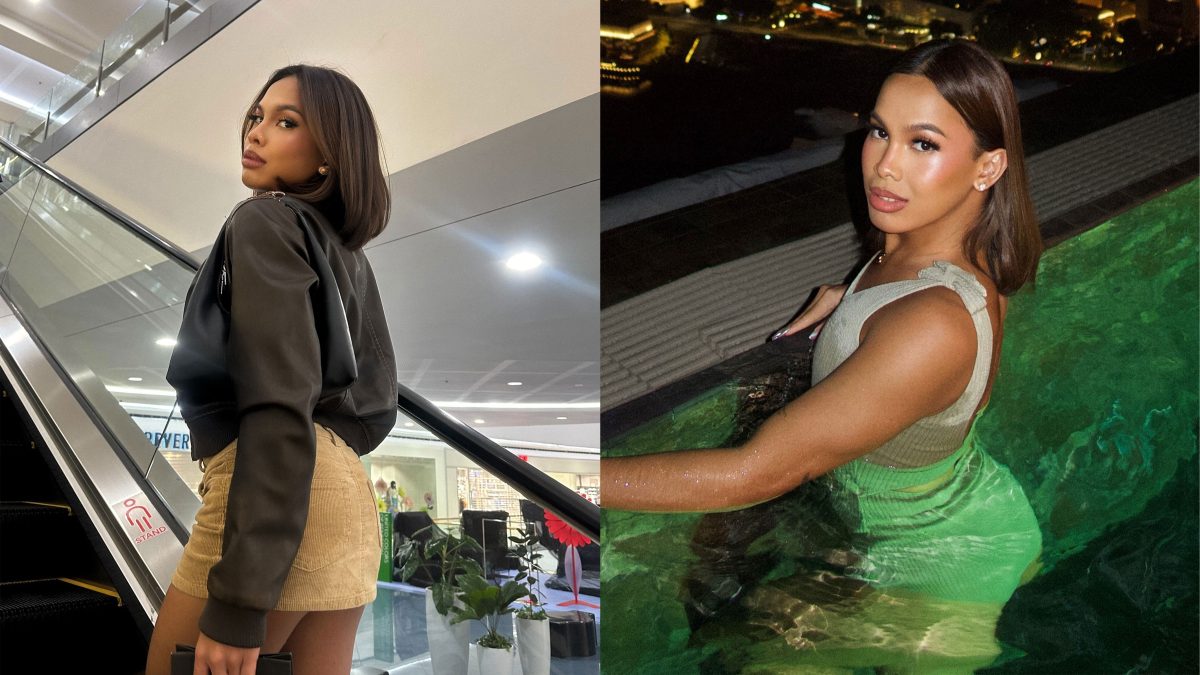
Awra Briguela pretty girl issue continues to gain attention online after a viral comment on her social media post sparked debate among netizens, highlighting how humor and criticism shape digital interactions in the Philippines.
A social media post by Awra Briguela has ignited fresh online discussions, not just about personal expression but also about how humor and criticism are perceived in digital spaces. The conversation quickly gained traction after a single comment on the post drew mixed reactions from netizens.
The issue began when Briguela shared a Facebook post embracing what she described as a “pretty girl” vibe, pairing it with a confident caption that resonated with her followers. While many responded positively, the tone of the discussion shifted when a netizen left a remark that some interpreted as playful banter, while others viewed it as unnecessarily harsh.
“Kahit anong ikot ko sa picture, wala akong makitang pretty girls, bro. Tumabi ka nga saglit baka natatakpan mo.”
The comment rapidly circulated, triggering a wave of reactions that highlighted the blurred line between humor and insult in online communities. Some users defended the remark as part of typical internet humor, while others argued that it reinforced negative behavior often normalized in comment sections.
Observers noted that the situation reflects a broader pattern in Philippine social media culture, where viral moments are often shaped not just by the original content but by the public’s reaction to it. In this case, the attention shifted from Briguela’s self-expression to the tone and intent of audience engagement.
This development also raises questions about digital etiquette and the responsibility of users when participating in online conversations. While freedom of expression remains central to social platforms, the incident underscores how quickly interactions can escalate, especially when humor is interpreted differently by diverse audiences.
Despite the mixed reactions, Briguela has continued to maintain her presence online, projecting confidence and staying consistent with her public persona. Supporters pointed out that such incidents highlight her resilience, while critics argue that public figures inevitably face scrutiny that comes with visibility.
“Pretty girls essentials ✨💄👜”
The situation highlights a recurring dynamic in online culture: the tension between self-expression and public perception. For Filipino audiences, who are among the most active social media users globally, such moments often evolve into larger conversations about respect, identity, and the limits of humor.
As discussions continue, the incident serves as a reminder of how digital interactions can shape narratives beyond the original post. What begins as a simple expression of confidence can quickly transform into a broader discourse on social behavior, reflecting the evolving norms of online communication in the Philippines.
The Awra Briguela pretty girl issue also highlights the growing influence of viral commentary in shaping public narratives around celebrities. A single remark can quickly shift the focus of online discussions, often amplifying conflicting perspectives. This pattern reflects how digital platforms reward engagement, even when conversations become divisive, raising ongoing concerns about accountability and responsible online behavior.






 Facebook
 Twitter