

Loisa Andalio life lately post is drawing strong engagement online as it offers a rare, unfiltered look into her everyday life as a new mother, highlighting a more grounded and hands-on approach to parenting that resonates with many Filipino audiences today.
A recent social media post by actress Loisa Andalio has drawn widespread attention, not just for its intimate glimpse into her personal life, but for how it reflects a growing shift in how young Filipino celebrities present parenthood—unfiltered, hands-on, and deeply personal.
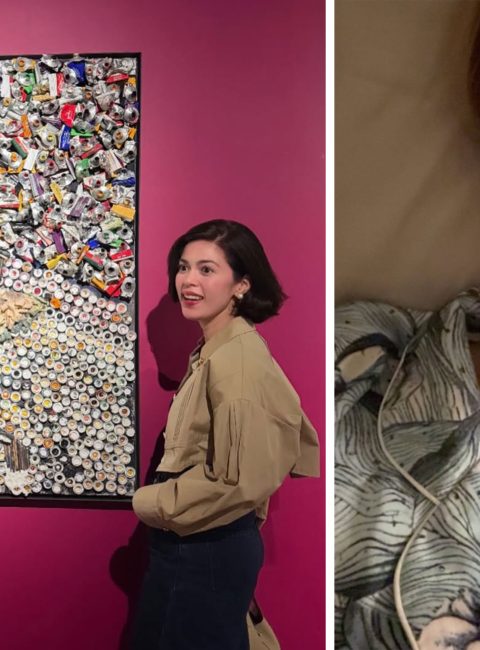
The post, captioned simply “life lately ❤️,” features Loisa cradling her baby in a quiet, at-home setting. The image contrasts sharply with the polished, curated content often associated with celebrity life, offering instead a raw and relatable moment that resonated with many netizens. Observers noted that this kind of content signals a broader trend where public figures are choosing authenticity over perfection, particularly when it comes to family life.
What stood out for many viewers was the apparent involvement of both Loisa and her partner, Ronnie Alonte, in caring for their child. In an era where conversations around shared parenting responsibilities are becoming more visible, the couple’s portrayal as actively engaged parents has sparked positive reactions online.
“Very good!!!!”
“Hi Mommy and baby so adorable and cute ❤️ heaven ang feelings”
“cutest ever 😍😍😍”
These comments, among hundreds of others, highlight how audiences are not only drawn to the celebrity aspect but also to the relatability of the moment. The situation raises questions about how modern Filipino audiences are redefining what they value in public figures—shifting from glamour to genuine life experiences.
The viral spread of the images and accompanying captions also underscores the power of social media in shaping narratives around parenting. Unlike traditional media portrayals that often emphasize idealized family setups, platforms like Instagram allow celebrities to present a more nuanced picture. This development highlights how digital spaces are influencing public expectations, especially among younger audiences who are increasingly vocal about shared responsibilities and emotional presence in parenting.
From a cultural standpoint, the response to Loisa’s post reflects evolving attitudes toward motherhood and fatherhood in the Philippines. While traditional roles have long placed primary caregiving responsibilities on mothers, recent years have seen a gradual shift toward more balanced dynamics. The visible participation of fathers, as implied in the couple’s shared parenting approach, resonates with many Filipinos who advocate for more equitable family roles.
Beyond the personal narrative, the post also carries implications for celebrity branding. Authenticity, once considered a risk in image-conscious industries, is now becoming a valuable asset. This trend suggests that audiences are more likely to engage with personalities who share real-life experiences rather than highly curated content.
For Loisa Andalio, the viral attention may go beyond fleeting online praise. It positions her within a growing group of public figures who are redefining influence—not through perfection, but through relatability and openness. As more celebrities embrace this approach, it could further reshape how stories of family and parenthood are told in the digital age.
Ultimately, the strong public reaction to Loisa’s “life lately” post underscores a simple but powerful reality: in today’s media landscape, authenticity resonates. And for many Filipinos, seeing a familiar face navigate parenthood in a genuine way offers both inspiration and a sense of connection.
The strong engagement surrounding the post also reflects how celebrity influence is evolving in the Philippines. Unlike traditional endorsements or polished branding, moments like this create a different kind of connection—one rooted in shared experiences. Media observers note that when public figures openly document everyday parenting realities, it not only humanizes them but also shapes conversations around modern family dynamics, particularly among younger Filipino audiences who increasingly value emotional presence over traditional roles.


 Facebook
 Twitter