

Maxene Magalona consent controversy discussions intensified online this week after social media users raised concerns about the appearance of a minor in publicly shared content, fueling wider conversations among Filipinos about digital consent, privacy boundaries, and the growing culture of turning everyday moments into viral online material.
The online discussion surrounding actress Maxene Magalona this week quickly evolved beyond celebrity controversy, exposing a growing concern among Filipino netizens about how social media culture increasingly treats ordinary people — including minors — as part of public-facing content without clear boundaries on consent.
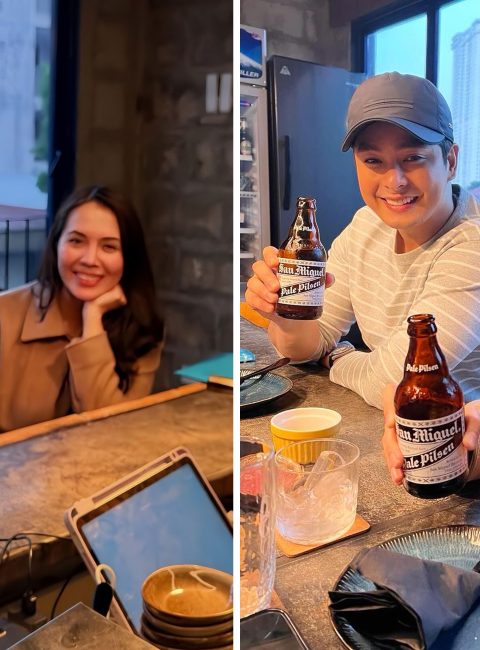
The conversation began after screenshots from a Mother’s Day-related social media upload circulated online, showing a young boy appearing in a restaurant photo and short video montage associated with Maxene. Soon after, users across Facebook, Reddit, and X started questioning whether permission had been obtained before the child’s image became publicly visible online.
Rather than focusing solely on the celebrity involved, many online reactions centered on a broader issue now becoming more common in digital spaces: the normalization of posting people in viral content without fully considering long-term privacy implications.
Observers noted that the discussion reflects a wider shift in Philippine internet culture, where highly personal or spontaneous moments are often uploaded immediately for engagement, relatability, or aesthetic storytelling. In many cases, the people appearing in the background — especially children — are not public figures themselves.
“People are becoming too comfortable turning everyday moments into online content,” one commenter wrote in a discussion thread that gained traction during the debate.
That reaction resonated with many users who argued that visibility on social media is often treated as harmless by default, even when the individuals involved may not fully understand the reach or permanence of online exposure. Several commenters emphasized that minors occupy a more sensitive position because they cannot meaningfully manage or control their digital footprint.
The development highlights a broader pattern in online behavior where ethical concerns emerge only after a post gains attention. Digital culture analysts have long pointed out that social platforms reward immediacy and emotional engagement, creating an environment where uploading content quickly is often prioritized over reflection or consent.
Another commenter noted that the issue extends far beyond celebrity circles.
“This is becoming normal online. People post first, then think about privacy later,” the user said.
That sentiment reflects increasing public awareness about digital boundaries in the Philippines, particularly as lifestyle content, influencer culture, and viral storytelling continue dominating online engagement. Over the past few years, Filipino social media users have become more vocal about protecting children from unnecessary public exposure, especially when posts spread rapidly across multiple platforms beyond their original audience.
While no formal complaint related to the incident has publicly emerged as of writing, the online discourse itself has continued to grow. Much of the attention has shifted toward questions surrounding responsible posting practices, public accountability, and the ethical responsibilities of content creators in an era where almost every interaction can become shareable material.
Importantly, several users also cautioned against turning the discussion into personal attacks, arguing that the situation should instead encourage wider conversations about consent and digital awareness.
“The bigger problem is how internet culture now treats everything as content,” another commenter wrote.
For many observers, the debate surrounding Maxene Magalona ultimately became less about one specific upload and more about a changing social environment where privacy expectations are becoming increasingly blurred. As online engagement continues shaping modern communication habits, the incident has sparked renewed conversations about where Filipinos should draw the line between public sharing and personal boundaries — particularly when children unintentionally become part of viral online narratives.






 Facebook
 Twitter