
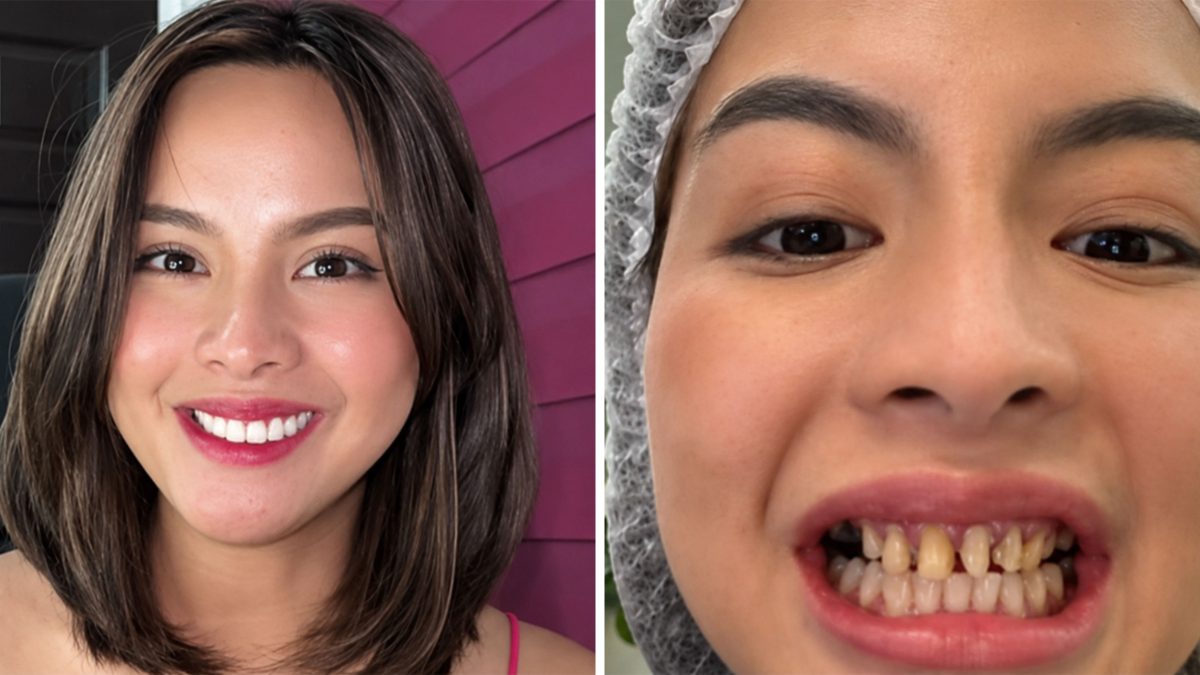
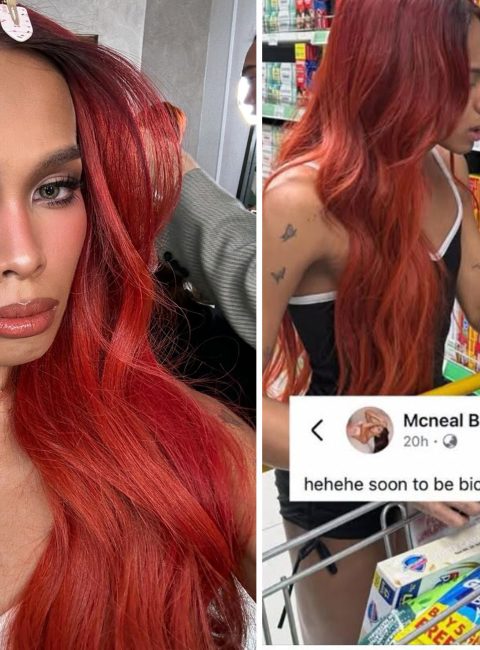
Erica Pineda veneers became a trending online topic after the content creator openly showed the condition of her natural teeth before cosmetic dental work, triggering wider discussions about beauty standards, influencer transparency, and the growing pressure to maintain polished online appearances. Many Filipino viewers said the reveal stood out because it focused less on transformation and more on the realities behind curated social media images.
The strong online reaction to Erica Pineda’s recent veneer reveal showed how Filipino audiences are becoming more critical of perfection-driven beauty culture on social media. What initially appeared to be a simple personal update quickly evolved into a wider discussion about transparency, cosmetic procedures, and the growing pressure for influencers to maintain polished online images.
Pineda shared close-up footage showing the condition of her natural teeth prior to cosmetic dental work, prompting thousands of reactions across Facebook, TikTok, and discussion forums. While cosmetic enhancements are common among online personalities, many viewers said the unusual part was the openness of the reveal itself. Instead of presenting only the finished result, the content exposed the maintenance and preparation behind an appearance often associated with effortless beauty.
The conversation gained momentum because audiences increasingly expect authenticity from digital creators. Observers noted that Filipino social media users have become more responsive to content that feels unfiltered or emotionally honest, particularly after years of highly curated influencer branding dominating online platforms.
Some viewers interpreted the reveal as a reminder that cosmetic enhancements involve long-term care rather than instant transformation. Veneers, commonly used to improve the appearance of teeth, usually require professional assessment and continuous maintenance depending on the patient’s dental condition and lifestyle habits. Dental professionals have long emphasized that treatments differ from person to person, although online discussions often reduce these procedures to simplified “before-and-after” narratives.
“At least people are finally seeing that cosmetic work also comes with responsibility and upkeep,” one commenter wrote.
That reaction reflected a broader shift in online behavior where audiences now look beyond appearances and ask more questions about sustainability, health, and realistic expectations. In the Philippines, where beauty and influencer culture continue expanding rapidly through short-form video platforms, transparency has become a major factor in public trust.
The development also highlights how conversations surrounding cosmetic procedures are changing among younger Filipinos. In previous years, discussions about veneers and similar enhancements were often framed around glamour, celebrity influence, or status. Today, many online users appear more interested in the emotional and financial realities attached to those choices.
“People appreciate honesty more now because social media already feels too filtered most of the time,” another user commented.
Digital culture analysts have observed similar patterns globally, where creators who openly discuss insecurities, procedures, or setbacks often receive stronger engagement than highly polished content alone. The trend suggests audiences are gradually rewarding relatability over carefully managed perfection.
At the same time, the viral discussion revealed how quickly cosmetic topics can become sources of judgment online. Some comments focused heavily on appearance rather than the broader conversation surrounding transparency and unrealistic beauty expectations. This reflects the continuing pressure faced by public figures, especially women, whose personal choices frequently become public debate material on social media.
“The bigger issue is the pressure to always look flawless online,” another commenter stated.
That sentiment resonated with many viewers because it shifted attention away from individual criticism and toward the culture surrounding digital beauty standards. For Filipino audiences who spend hours daily consuming influencer content, the discussion served as a reminder that online appearances often involve maintenance, investment, and personal decisions that are rarely visible in polished posts.
Rather than functioning as a typical viral controversy, the moment became part of a larger conversation about authenticity in the influencer era — and why audiences are increasingly drawn to creators willing to show what usually stays hidden behind curated content.


 Facebook
 Twitter