
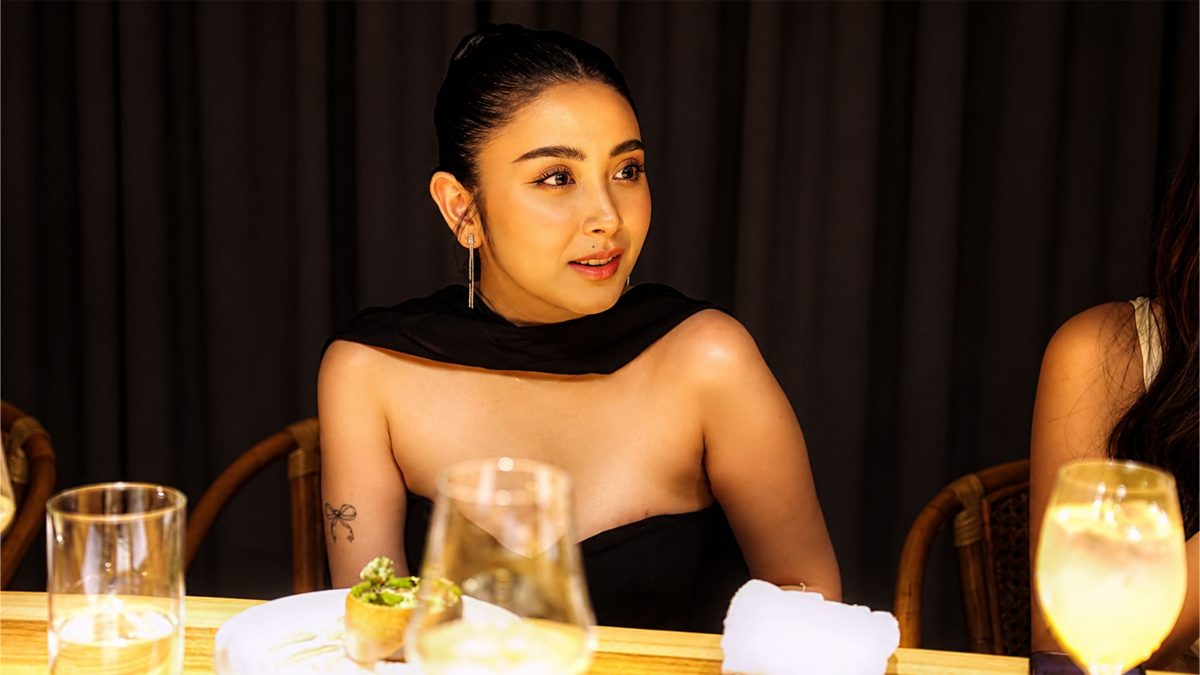
Bea Borres viral post has ignited online discussion about how influencer-driven luxury culture is affecting relationship expectations and financial perceptions among young Filipinos. What began as a humorous “wishlist” shared on social media quickly evolved into a wider conversation about aspirational lifestyles, economic pressure, and the growing influence of flex culture in digital spaces.
A viral post by social media personality Bea Borres has triggered a broader discussion about how luxury-driven online culture is shaping relationship expectations and financial perceptions among young Filipinos navigating an increasingly expensive social environment.
Borres recently drew attention after sharing a lengthy and exaggerated “wishlist” for a future partner, mentioning expectations that included a monthly income of one million dollars, luxury cars, overseas properties, private jet travel, multiple businesses, and even rotating bodyguards. Although many users immediately interpreted the post as satire, screenshots quickly spread across Facebook pages, entertainment forums, and repost communities where the discussion evolved beyond humor.
What made the conversation resonate was the timing. The viral circulation came amid ongoing public frustration over rising living costs, with many Filipinos regularly discussing inflation, rent, transportation expenses, and financial pressure online. In that context, even obviously exaggerated luxury content can trigger strong reactions because audiences interpret it through personal economic realities.
Digital behavior analysts have previously noted that aspirational content performs strongly in the Philippines because social media platforms reward emotionally charged engagement. Posts involving wealth, relationships, and social status often generate prolonged interaction since users respond not only with amusement, but also with criticism, comparison, and personal reflection.
The development highlights how influencer culture has gradually blurred the line between entertainment and lifestyle expectation. On platforms dominated by curated travel content, designer brands, and “soft life” aesthetics, discussions about relationships are increasingly framed around financial capacity and visible success.
“Parang joke naman talaga, pero mapapaisip ka rin kung gaano ka-normalized yung ganitong standards online,” one Facebook user commented.
That reaction reflected a wider sentiment shared across comment sections. While many defended the post as harmless exaggeration, others argued that repeated exposure to luxury-centered narratives can distort perceptions of what ordinary relationships and financial success look like, especially among younger audiences heavily immersed in influencer-driven content.
According to the latest Digital 2025 Philippines report by DataReportal, Filipinos remain among the world’s most active social media users, spending several hours daily across digital platforms. Media observers noted that this level of exposure amplifies the influence of viral lifestyle narratives, particularly when entertainment personalities present aspirational content in humorous or relatable formats.
Borres later continued engaging with commenters in a playful manner, including one response joking about needing financial support for eyebrow maintenance. Rather than ending the discussion, the interaction expanded the post’s reach as screenshots and reaction videos circulated further across entertainment pages.
“At least honest siya sa gusto niya. Yung iba hindi lang vocal tungkol diyan,” another commenter wrote.
Observers noted that “high standards” discourse has become increasingly common online because it encourages participation from both supporters and critics. In many cases, the controversy itself becomes part of the entertainment cycle. Algorithms reward posts that sustain emotional reactions, making debates about wealth, dating expectations, and privilege especially visible across social platforms.
At the same time, the conversation surrounding Borres’ post reflects a growing tension within Filipino online culture. While social media continues to promote aspirational lifestyles as entertainment, audiences are becoming more vocal about the psychological and financial pressure that can accompany constant exposure to luxury-centered content.
“Nakakatawa siya, pero reminder din kung gaano kalaki yung influence ng flex culture ngayon,” a third commenter observed.
More than a passing celebrity trend, the viral discussion became a snapshot of how Filipinos increasingly negotiate identity, aspiration, humor, and economic reality in public online spaces. As influencer-driven conversations continue shaping digital culture, posts framed as jokes can still reveal deeper anxieties about status, success, and relatability in modern social media life.




 Facebook
 Twitter