
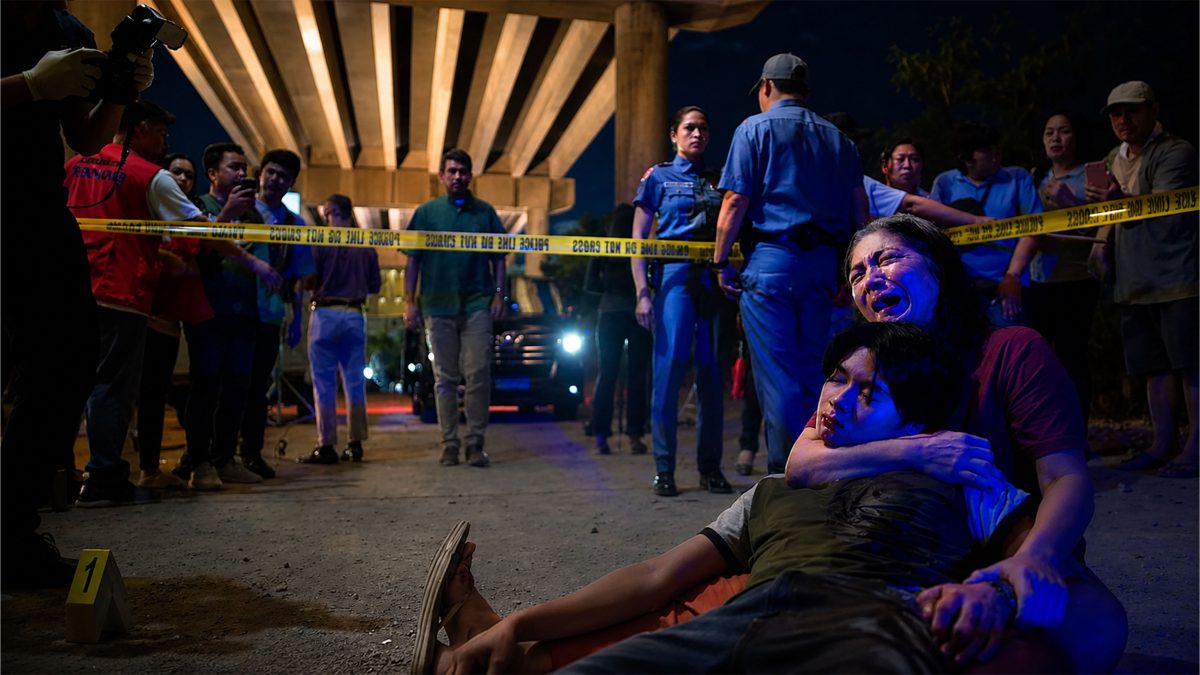
Drug War trailer reaction discussions online are revealing a major shift in how Filipino audiences consume crime-related entertainment. Instead of focusing on action or celebrity appeal, many viewers responding to Drug War: A Conspiracy of Silence appear more affected by its emotional realism, reflecting how streaming-era audiences increasingly connect fictional stories to real social experiences and public memory.
The online response to Drug War: A Conspiracy of Silence reveals something larger than interest in a new crime series. The trailer’s strongest impact appears tied to how Filipino streaming audiences now react to stories involving violence, fear, and institutional power — themes that viewers increasingly interpret through personal memory rather than entertainment alone.
When Rein Entertainment released the teaser this week, initial attention naturally focused on its cast, which includes Ian Veneracion, Jane Oineza, John Arcilla, Harvey Bautista, Lotlot de Leon, Romnick Sarmenta, and Yayo Aguila. But within hours, discussions on TikTok and Facebook began moving in a different direction. Instead of highlighting performances or action scenes, many users focused on how emotionally familiar the atmosphere felt.
That pattern reflects a noticeable shift in viewer behavior in the Philippines’ streaming era. Crime dramas once succeeded mainly through spectacle, clear-cut heroism, or suspense-driven storytelling. Today, audiences exposed to international streaming content appear more responsive to stories grounded in emotional realism and social discomfort.
Several comments circulating online did not even mention the actors directly. Users instead discussed the tension created by scenes involving frightened residents, grieving families, and uneasy police encounters.
@reinentertainmentph OFFICIAL TRAILER From the Emmy and Asian Academy Award-winning producers at KC Global Media and Rein Entertainment, producer of Bagman and Salvageland. Drug War: A Conspiracy of Silence. A limited series, directed by Shugo Praico. Starring a powerhouse cast: Ian Veneracion, Jane Oineza, Harvey Bautista, John Arcilla, Lotlot De Leon, Romnick Sarmenta, Yayo Aguila, Joem Bascon, Ryan Eigenmann, Art Acuña, Gabby Padilla, and Miggy Jimenez. Coming soon. #DrugWarSeries #ReinEntertainment #KCGlobalMedia #fyp @KC Global Media Fans ♬ original sound – Rein Entertainment
“It’s scary because it feels like something people actually lived through,” one commenter wrote under a reposted trailer clip.
That type of reaction highlights how entertainment consumption in the Philippines has changed after years of algorithm-driven viewing habits. Viewers who spend significant time on streaming platforms are now more likely to interpret fictional crime stories through broader social context rather than viewing them solely as escapist content.
Media analysts have observed that younger Filipino audiences increasingly favor narratives that leave moral questions unresolved. Unlike traditional television formats where viewers are guided toward a clear lesson or heroic conclusion, streaming-oriented dramas often encourage interpretation and debate. This helps explain why online conversations surrounding the trailer quickly became emotional rather than promotional.
Another commenter described the teaser as “more unsettling than exciting,” particularly because of its quieter scenes involving civilians rather than the violent moments themselves.
That distinction matters. In many older Philippine crime dramas, emotional tension typically existed to support action sequences. In newer streaming-focused productions, emotional tension often becomes the main narrative force. The development reflects broader changes in Southeast Asian entertainment, where audiences now reward psychological realism and grounded storytelling more than formulaic action.
The trailer’s traction also demonstrates how social media platforms have altered the role of promotional material itself. A teaser is no longer just a marketing tool. Online audiences now treat trailers as discussion spaces where viewers collectively interpret themes, symbolism, and social relevance before a series is even released.
Observers noted that this dynamic has become increasingly common among Filipino viewers exposed to global streaming hits that prioritize ambiguity, trauma, and institutional critique. As a result, local productions tackling sensitive themes are now judged less on intensity and more on emotional credibility.
Directed by Shugo Praico and produced by Rein Entertainment with KC Global Media, Drug War: A Conspiracy of Silence enters a local entertainment environment where audiences are becoming harder to impress with conventional crime storytelling alone.
For many viewers, the trailer’s impact does not come from violence or suspense by themselves. It comes from recognition — the feeling that the emotional atmosphere shown onscreen resembles conversations, anxieties, and memories that still linger in many Filipino communities today.








 Facebook
 Twitter