
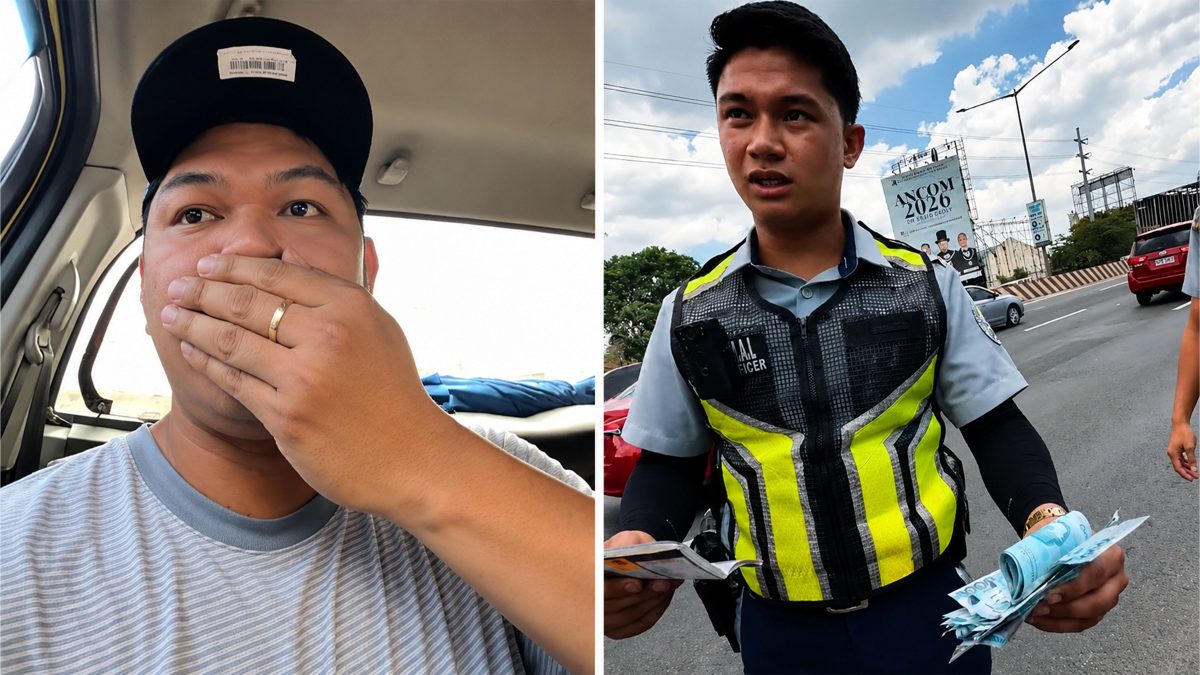
Online Gambling Promoter NLEX Incident discussions quickly expanded beyond a highway accident after a viral video sparked renewed debate over the growing visibility of online betting culture in the Philippines. While the incident initially focused on the reported loss of P60,000 during an accident along NLEX, online reactions soon reflected wider concerns about gambling promotions, influencer accountability, and the normalization of betting content on social media platforms.
An accident along the North Luzon Expressway recently became more than another viral roadside incident after online discussions shifted toward a deeper issue many Filipinos appear increasingly divided about: the nonstop visibility of online gambling culture on social media.
The incident involved a man identified by netizens as an online gambling promoter who reportedly lost around P60,000 after a utility vehicle door opened during an accident on NLEX. Videos circulating online showed cash and personal belongings scattered along the highway while motorists and bystanders stopped near the scene. According to posts shared online, only part of the missing amount was later recovered.
Online gambling promoter, nawalan ng 60k sa NLEX
by u/nayryanaryn in ChikaPH
Yet the strongest reactions did not focus on the accident itself. Instead, conversations quickly turned toward the promoter’s connection to online betting platforms, revealing how public tolerance toward gambling-related content may be shifting.
Observers noted that the viral spread of the footage reflected a broader pattern in Philippine internet culture where incidents linked to controversial industries often trigger reactions beyond sympathy alone. In this case, humor, criticism, and moral commentary merged into a single online narrative.
“Hindi lang ito tungkol sa aksidente. Napuno na rin siguro ang iba sa dami ng gambling content online,” one commenter wrote.
The reaction comes at a time when online gambling advertisements and livestream promotions have become increasingly visible across Facebook, TikTok, and streaming platforms in the Philippines. Betting applications now regularly appear through influencer partnerships, gaming streams, and short-form viral content aimed at highly engaged online audiences. Digital analysts have previously noted that these promotions thrive because they blend entertainment with the promise of quick financial rewards.
The development highlights growing concerns among Filipino families and internet users who believe gambling content has become difficult to avoid online. In recent months, public discussions surrounding online betting have expanded beyond financial risk alone, touching on mental health pressures, impulsive spending habits, and the normalization of gambling among younger viewers.
Rather than generating universal sympathy, the NLEX incident appeared to divide audiences into competing viewpoints. Some users criticized the public for making jokes about a road accident, while others viewed the viral moment as symbolic of the risks associated with industries built around fast money and online influence.
“Accidente pa rin iyon at dapat may respeto pa rin sa nangyari,” another commenter said.
At the same time, others argued that the response exposed growing frustration toward influencer-driven gambling promotions that dominate social feeds and livestream recommendations. The conversation became less about the missing cash itself and more about what the incident represented to many online Filipinos.
Media observers noted that viral stories tied to gambling often gain traction because they intersect with real economic anxieties. In a country where many users consume hours of mobile content daily, betting advertisements frequently appear alongside entertainment, creating blurred lines between recreation and financial risk. The NLEX footage amplified those concerns because the promoter’s online identity immediately shaped how audiences interpreted the event.
“Parang reminder ito kung gaano ka-normalized ang sugal sa internet ngayon,” one user observed.
Although authorities have yet to release extensive public details regarding the incident, the viral response already demonstrates how online audiences now process news through social and cultural lenses rather than facts alone. The accident may have lasted only moments on the highway, but the discussion it triggered reflects a wider debate about gambling visibility, influencer responsibility, and the evolving behavior of Filipino digital communities.







 Facebook
 Twitter