
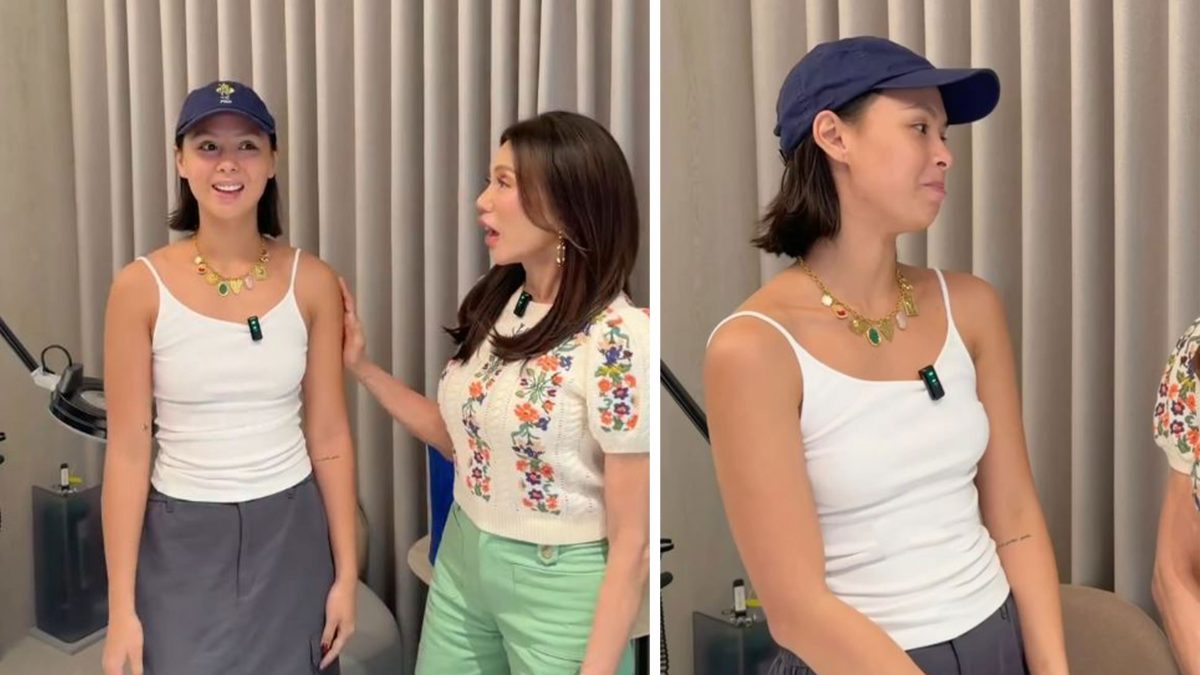
Kaila Estrada no makeup look has sparked widespread discussion among Filipino netizens, with reactions ranging from admiration to skepticism. The viral post highlights ongoing conversations about natural beauty, transparency, and the pressure on celebrities to balance authenticity with public expectations.
A recent social media post featuring actress Kaila Estrada without makeup has ignited a wide range of reactions among Filipino netizens, underscoring the evolving conversation around beauty standards and authenticity in the digital age. While celebrity transformations are nothing new, the public’s response to a bare-faced appearance reveals a deeper cultural tension between polished image expectations and growing calls for realism.
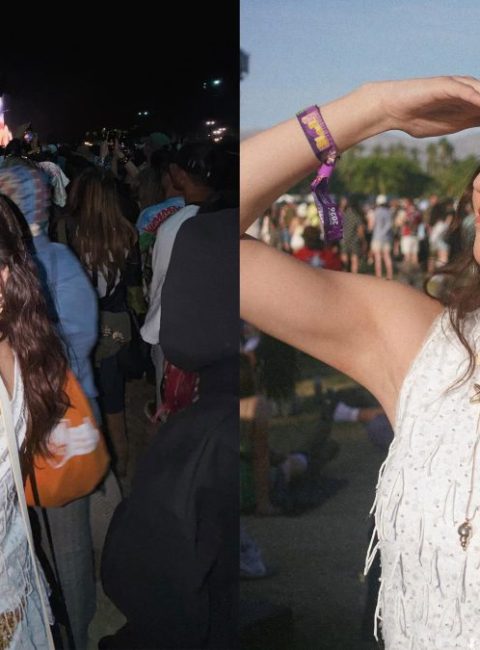
The discussion gained traction after the post, shared by dermatologist Vicki Belo, showcased Estrada in a natural, unfiltered look. Unlike typical celebrity features that emphasize glamour, the image highlighted a more candid presentation—prompting both admiration and scrutiny in the comments section.
Some users praised the actress for embracing her natural appearance, viewing it as a refreshing departure from heavily curated celebrity visuals online.
“Ganda nya khit wlng make up,” one commenter wrote, pointing out that Estrada’s features remain striking even without enhancement.
Another netizen echoed similar sentiments, emphasizing confidence over cosmetics.
“Sabi nila pure natural lahat siya… pero nag pa treat din,” the comment read, suggesting curiosity about the balance between natural beauty and dermatological care.
However, not all reactions were positive. A portion of commenters raised questions about possible treatments, shifting the conversation toward cosmetic procedures and transparency in the beauty industry.
“Hmm let me guess… corticosteroids like triamcinolone… this treatment is not something new,” one user commented, reflecting skepticism and a more clinical perspective on the actress’s appearance.
This divide highlights a recurring issue in celebrity culture: the blurred line between “natural” beauty and medically assisted aesthetics. Observers noted that in the Philippines, where beauty clinics are widely accessible and socially accepted, public expectations around authenticity can become complicated.
The situation also raises questions about how public figures navigate scrutiny in an era where audiences demand both relatability and perfection. For many celebrities, presenting a makeup-free look is often interpreted as a statement—whether intentional or not—about self-acceptance. Yet, as seen in the reactions, such gestures can still invite criticism or speculation.
Industry watchers point out that this moment reflects a broader shift in audience behavior. Filipino netizens are increasingly vocal, not just in admiration but also in dissecting the perceived “truth” behind public images. This development highlights the growing influence of digital communities in shaping narratives around beauty and credibility.
At the same time, the conversation reinforces the importance of responsible messaging within the beauty and wellness sector. As dermatological treatments become more mainstream, clearer communication about what constitutes “natural” may help manage public expectations and reduce misinformation.
For Estrada, the mixed reactions may ultimately reinforce her visibility rather than diminish it. In a media environment driven by engagement, even polarized discussions can sustain relevance. More importantly, the discourse signals a gradual shift: audiences are no longer passive consumers of celebrity imagery but active participants in redefining standards.
As the debate continues, one thing remains evident—public perception of beauty is no longer dictated solely by appearances, but increasingly shaped by transparency, context, and authenticity.
The Kaila Estrada no makeup discussion also underscores how social media has become a space for both empowerment and scrutiny. While some users celebrate unfiltered appearances as a step toward realism, others continue to analyze and question visible changes, often linking them to cosmetic procedures. This dynamic reflects a broader shift in audience behavior, where digital communities actively shape public narratives rather than simply consume them. Analysts note that for public figures, moments like these are no longer just personal choices but part of a larger conversation about credibility, influence, and evolving definitions of beauty in the Philippines.


 Facebook
 Twitter