
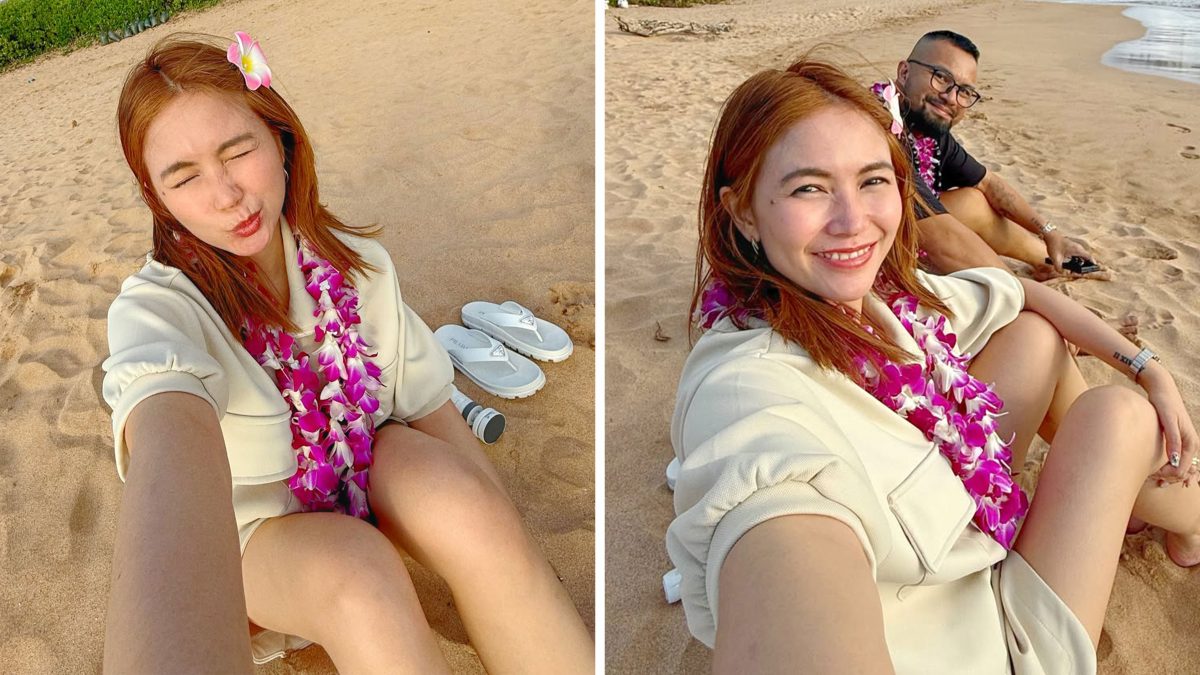
Yeng Constantino Maui Hawaii visit is drawing strong online engagement as the Filipina singer’s beachside post highlights not only the island’s appeal but also the growing visibility of Filipinos in one of the United States’ most visited tourist destinations.
Filipina singer Yeng Constantino has drawn attention online after sharing glimpses of her recent visit to Maui, Hawaii, offering more than just a travel update as it underscores the increasing visibility of Filipino communities in global tourist destinations.
In a social media post, Constantino described the island as “more breathtaking than the pictures,” while expressing excitement about meeting fellow Filipinos in the area during an upcoming gathering. The visit, set around an event at Wailea Beach Resort, signals not only a personal getaway but also a cultural touchpoint for overseas Filipinos and local tourism stakeholders.
The singer’s update quickly gained traction, with thousands of reactions and comments from fans—many of whom highlighted the strong Filipino presence in Hawaii, particularly in areas like Maui and Honolulu. Observers noted that such posts help amplify the role of Filipino travelers and expatriates in shaping tourism narratives abroad, especially in destinations historically connected to Filipino migration.
“I see you guys ❤️❤️ Both of you are looking like locals already!”
“So beautiful ❤️❤️❤️”
These reactions reflect a broader sentiment of pride and relatability among Filipinos who see familiar faces representing them in international locations. Hawaii, in particular, has long been home to a significant Filipino population, dating back to early labor migration in the plantation era. Today, that connection continues through tourism, family ties, and cultural exchange.
This development highlights how celebrity travel content can go beyond lifestyle updates and contribute to destination awareness. For Philippine audiences, such posts often serve as informal travel endorsements, influencing interest in international destinations while reinforcing diaspora connections.
At the same time, the situation raises questions about how tourism boards and event organizers are increasingly tapping Filipino communities abroad. By hosting events that cater to “Kababayan” audiences, as mentioned by Constantino, organizers appear to recognize the economic and cultural value of this demographic.
From a broader perspective, Constantino’s Maui visit comes at a time when international travel is steadily rebounding, and social media continues to play a central role in shaping travel decisions. Filipino travelers, known for their strong online engagement, are becoming key contributors to global tourism trends.
For many, the significance of this moment lies not just in the scenic backdrop of Maui’s beaches, but in what it represents: a visible and growing Filipino footprint in global destinations. As more public figures share similar experiences, the narrative of Filipino presence abroad continues to evolve—from migrant stories to lifestyle and influence.
@yengconstantinoofficial Hello Maui, Hawaii! 🥰
♬ original sound – casey
Ultimately, Constantino’s post offers a snapshot of this shift, blending personal travel with a broader cultural connection that resonates strongly with Filipino audiences both at home and overseas.
From a tourism perspective, Hawaii continues to benefit from strong visitor interest coming from Asian markets, including the Philippines. Industry observers point out that social media visibility from public figures like Constantino plays a subtle but important role in influencing travel behavior. As Filipinos increasingly prioritize international travel, destinations with established Filipino communities, cultural familiarity, and accessible connectivity tend to gain more attention. This trend may further strengthen tourism ties between the Philippines and Hawaii, particularly as airlines and travel operators expand offerings to meet growing demand.






 Facebook
 Twitter