

Criza Taa TikTok clapback discussions gained traction online after the content creator posted a subtle video many viewers interpreted as a response to recent criticism. Instead of addressing bashers directly, the short clip sparked broader conversations among Filipino netizens about influencer culture, online image management, and the growing trend of indirect social media responses.
A short TikTok clip from content creator Criza Taa has triggered a wider conversation online about how young Filipino influencers are increasingly choosing indirect but emotionally calculated responses instead of engaging in full-scale internet feuds.
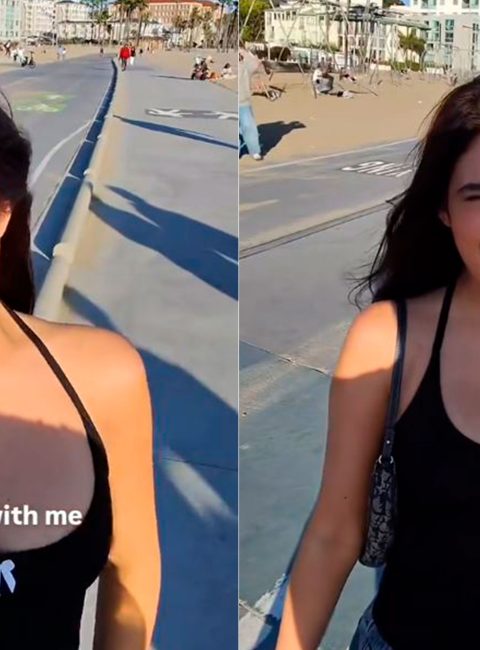
Rather than posting a direct statement or naming critics, Taa uploaded a calm walking video paired with the text: “imagine hating on me and i’m just living the life you wish you had.” The post quickly circulated across social media pages and discussion threads, with many viewers interpreting it as a subtle response to recent criticism surrounding her social circle and overseas travels.
What drew attention was not the message alone, but the tone behind it. The video avoided the aggressive style commonly seen in influencer disputes. There was no lengthy explanation, emotional breakdown, or explicit callout. Observers noted that the restraint itself became part of the conversation, especially among younger audiences who increasingly view silence, aesthetics, and indirect messaging as a form of online power.
@mscrizataa i’m meant to live this way 🫦
♬ оригинальный звук – dlyasebyamuzz
The development highlights a broader pattern in Philippine social media culture where influencers no longer respond to backlash through traditional apology videos or confrontational livestreams. Instead, carefully curated “soft clapbacks” — often delivered through lifestyle posts, cryptic captions, or casual TikTok uploads — are becoming more common because they allow creators to stay visible without escalating conflict.
Recent online discussions involving celebrities and influencers attending international events, including trips to Los Angeles and Coachella-related gatherings, have intensified scrutiny over wealth, privilege, and authenticity. In that environment, even seemingly harmless posts can become lightning rods for criticism.
Some users defended Taa, arguing that public figures should not be expected to explain every move they make online.
“People are acting like influencers aren’t allowed to enjoy their success anymore. She didn’t even attack anyone directly,” one commenter wrote.
That reaction reflects how younger audiences are becoming more aware of the pressure placed on digital personalities who remain under constant monitoring across platforms. Supporters viewed the TikTok not as arrogance, but as an attempt to reclaim control over the narrative without adding fuel to ongoing online hostility.
Others, however, interpreted the post differently.
“The video feels passive-aggressive. If you’re unbothered, why post something aimed at bashers at all?” another user commented.
This raises questions about how authenticity is judged online. Influencers today are often expected to appear relatable while simultaneously displaying aspirational lifestyles — a balance that becomes harder to maintain once public attention intensifies.
The conversation surrounding Taa also demonstrates how Filipino internet culture increasingly treats subtle online behavior as a form of public communication. A short caption, background song, or facial expression can now spark large-scale interpretation, especially when audiences are already emotionally invested in personalities and social groups.
“It’s interesting how one simple TikTok turned into a debate about insecurity, success, and validation,” a social media user observed.
That reaction may explain why the clip gained traction beyond Taa’s own followers. The issue was no longer limited to one creator responding to criticism. Instead, it evolved into a reflection of how digital audiences project meaning onto curated online moments.
As discussions continue, the incident shows how influencer culture in the Philippines is shifting away from loud controversy and toward quieter forms of signaling — where even a calm walk under the sun can become part of a much larger online conversation.





 Facebook
 Twitter