

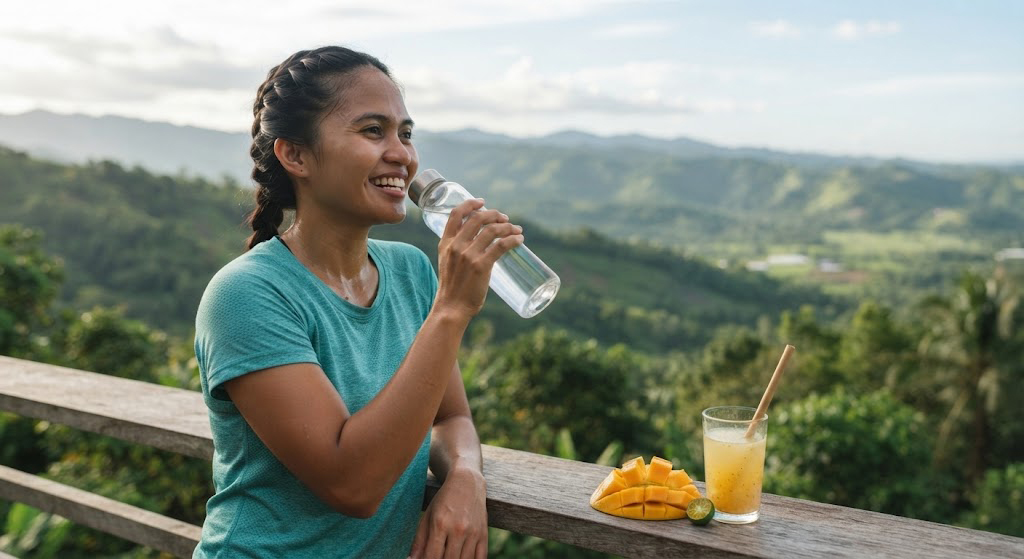
Figuring out how much water should you drink every day depends on factors far beyond an arbitrary “eight glasses a day” rule. Fluid requirements fluctuate based on your age, sex, body size, diet, physical activity, and environmental heat. In the tropical climate of the Philippines, high humidity and warm temperatures significantly accelerate fluid loss through sweating, making proper hydration essential for daily health, cognitive focus, and sustained workplace productivity.
The Philippine Standards: What the Data Shows
To establish baseline requirements, health professionals look at the Philippine Dietary Reference Intakes (PDRI), compiled by the Department of Health (DOH) and the Food and Nutrition Research Institute (FNRI).
For healthy adult Filipinos, the PDRI adequate intake guidelines suggest:
- Men: Approximately 3.0 liters of total water per day.
- Women: Approximately 2.6 liters of total water per day.
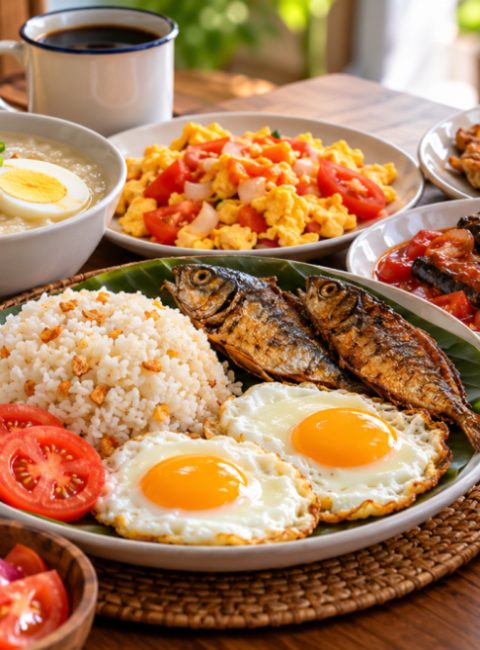
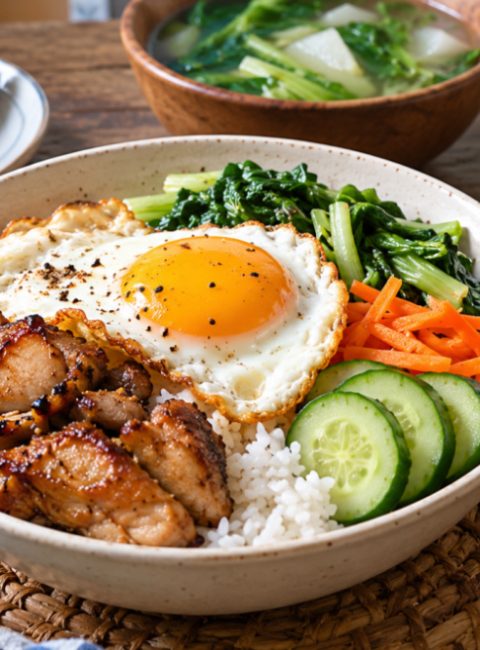
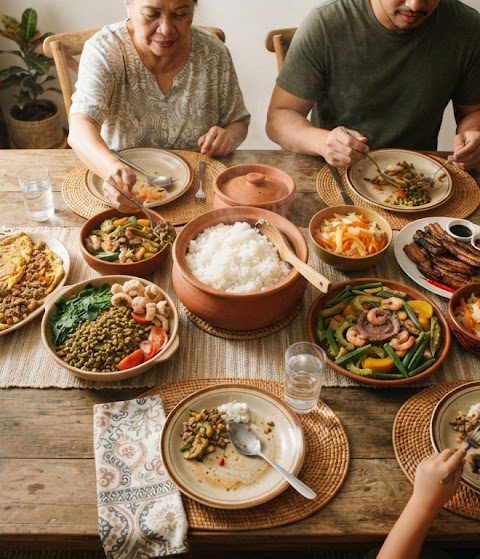
These figures represent total water intake, which encompasses water from solid foods (such as rice, soups, and local tropical fruits like mangoes and watermelons) as well as beverages, rather than a strict requirement to drink those exact volumes in plain water alone.
Daily Environment and Occupational Factors
Your daily water requirements change dramatically depending on your surroundings and occupation across the country.
- Indoor vs. Outdoor Workers: A person working in an air-conditioned office in BGC or Makati has a lower immediate sweat loss than a construction worker, traffic enforcer, delivery rider, or farmer working directly under the midday Philippine sun.
- Exercise and Heat Stress: High ambient temperatures and humidity force your body to sweat more to regulate core temperature. Outdoor exercise requires proactive fluid replacement before, during, and after physical activity to prevent heat exhaustion, muscle cramps, and heat stroke.
Recognizing Signs of Dehydration
Waiting until you feel intensely thirsty is often a late indicator of mild dehydration. Common signs that your body needs fluids include:
- Dark-colored urine (pale yellow or clear urine generally indicates good hydration status)
- Dry mouth, chapped lips, and dry skin
- Fatigue, lightheadedness, or sudden afternoon headaches
- Reduced frequency of urination throughout the day
Understanding Electrolyte Balance in Humid Climates
When you sweat profusely during hot Philippine days, your body loses not just water, but also essential electrolytes like sodium and potassium. Simply chugging plain water in massive quantities without replacing electrolytes can sometimes lead to imbalances. Incorporating mineral-rich foods, fresh buko (coconut) juice, or balanced broths into your daily diet helps maintain cellular function and prevents fatigue during high-heat days.
The Risks of Overhydration (Hyponatremia)
While staying hydrated is vital, drinking excessive amounts of water in a very short period can be dangerous. Known as water intoxication or hyponatremia, this occurs when extreme fluid intake dilutes the sodium levels in your bloodstream, leading to cellular swelling, confusion, nausea, or severe medical emergencies. Balance and listening to your body’s natural thirst cues are key to safe hydration.
Building a Practical Hydration Routine
To maintain optimal hydration throughout your busy day in the Philippines:
- Keep a reusable water bottle nearby at your desk, in your bag, or while commuting on public transport.
- Infuse plain water with local citrus fruits like calamansi or lemon to add natural flavor without added sugars.
- Increase fluid intake gradually when engaging in outdoor activities, sports, or traveling across provincial regions during dry or hot summer seasons.



 Facebook
 Twitter