

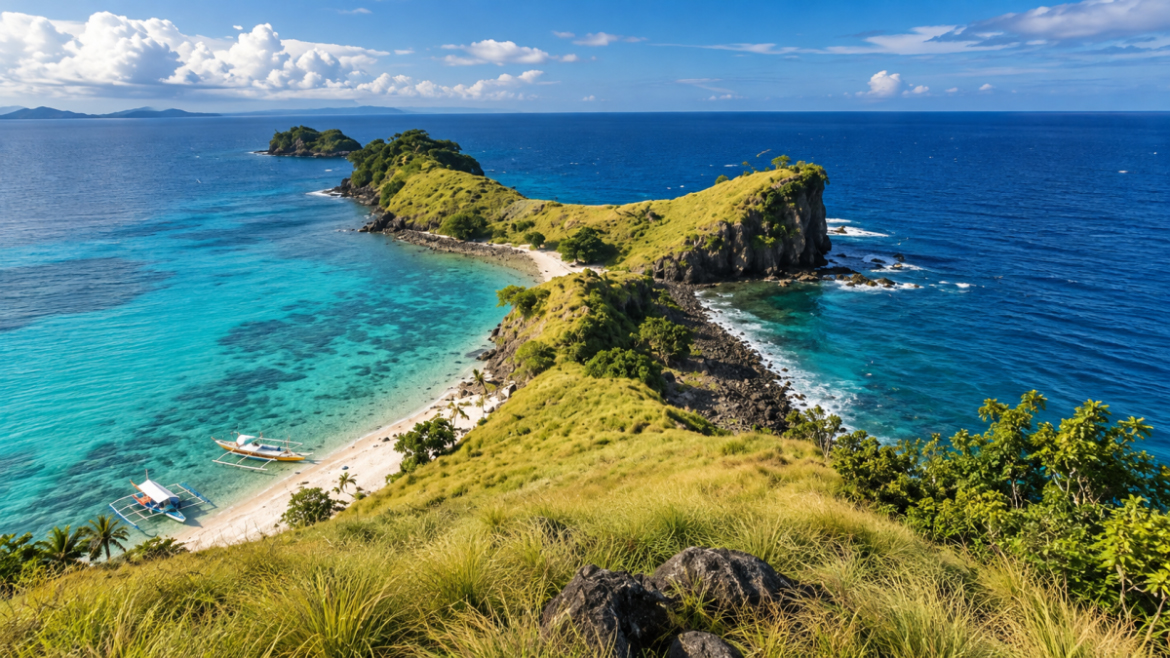
Sambawan Island travel guide information can help visitors prepare for an island escape in Biliran, Eastern Visayas, where grassy coastal ridges, clear blue waters, and panoramic sea views create a distinctive Philippine destination. Located off Maripipi in Biliran province, Sambawan Island attracts travelers interested in snorkeling, coastal scenery, overnight camping, and early-morning views from its elevated hillsides. Reaching the island requires advance transport planning, particularly for visitors arranging boat transfers and accommodation.
Achieving a memorable journey to this remote paradise requires careful planning, deep logistical understanding, and an appreciation for sustainable tourism. This comprehensive guide explores everything you need to know to witness the ultimate sunrise on Sambawan Island while meeting the highest standards of authentic travel research.
Understanding Sambawan Island: Geography and Significance
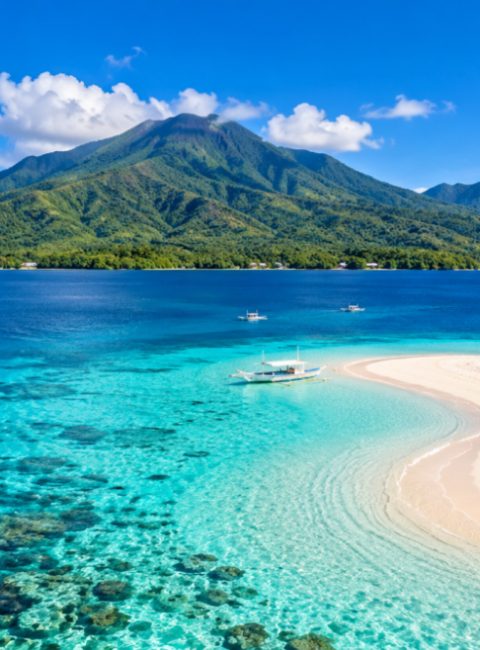
Located off the northern coast of Maripipi Island in the province of Biliran, Sambawan Island consists of two main islets connected by a shifting sandbar and rocky terrain, flanked by lush green hills. Geologically, the island is a testament to the volcanic origins of the region, featuring steep slopes and sharp ridges carved by wind and sea currents over millennia.
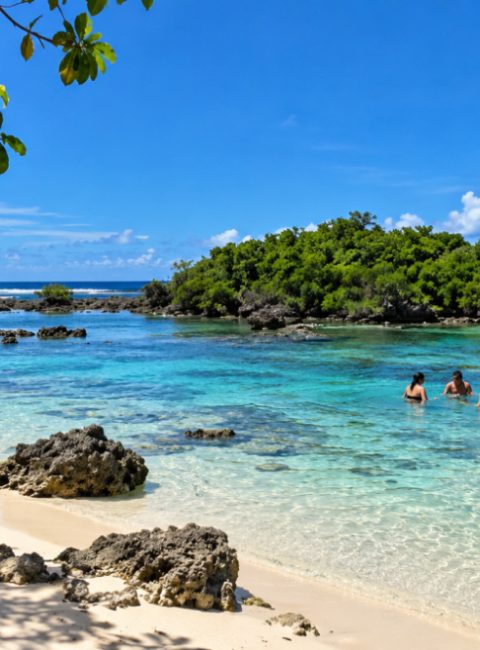
From an ecological standpoint, the waters surrounding Sambawan are part of a rich marine sanctuary teeming with vibrant coral reefs, colorful reef fish, and occasional sea turtles. Local conservation efforts led by the provincial government and local fisherfolk communities focus on protecting these fragile ecosystems from over-tourism. Understanding these conservation measures is vital for travelers who wish to practice responsible tourism.
The Journey: How to Get to Sambawan Island
Reaching Sambawan Island requires a multi-stage journey that tests your sense of adventure, making the destination feel genuinely earned. Because there are no direct commercial flights to Maripipi or Sambawan itself, travelers must navigate via gateway hubs in Leyte or Biliran province.
Step 1: Traveling to Tacloban City or Naval, Biliran
- From Manila or Cebu: Take a flight to Daniel Z. Romualdez Airport in Tacloban City, Leyte. From the Tacloban terminal, walk or take a tricycle to the van hub (Van Hauler or Duptours) bound for Naval, the capital town of Biliran province. The land journey takes approximately 2.5 to 3 hours, passing through scenic coastal highways and bridges connecting Leyte and Biliran Island.
- Alternative Route via Ormoc: Some travelers arrive via the Ormoc seaport from Cebu, followed by a 2-hour van ride northward to Naval.
Step 2: Reaching Kawayan Port or Biliran Port
Once you arrive in Naval, you have two primary jump-off points to access Sambawan Island:
- Kawayan Port: Located on the northwestern tip of Biliran Island, Kawayan is the closest and most popular port for day trips and overnight excursions to Sambawan. Boat travel time from Kawayan Port to the island ranges from 30 to 45 minutes, depending on sea conditions.
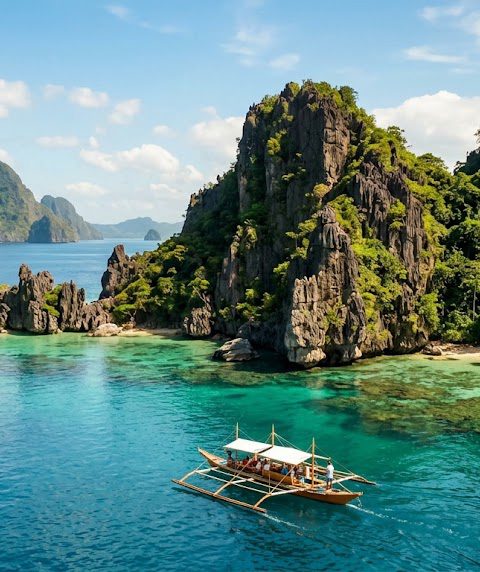
- Maripipi Island Mainland: Alternatively, you can take a public pump boat from Naval Port directly to Maripipi town proper, then hire a habal-habal (motorcycle taxi) across the rugged mountain roads to a local coastal village facing Sambawan. However, chartering a direct outrigger boat (banca) from Kawayan Port is significantly more efficient for most travelers.
Timing Your Visit: The Best Season for Clear Skies
Weather plays a critical role in your ability to witness a breathtaking sunrise on Sambawan Island. Planning your trip around the right months ensures calm sea crossings and clear, unobstructed horizons.
- Dry Season (November to May): This is the optimal window for visiting Biliran. The months between February and April typically offer the calmest sea conditions, minimal rainfall, and brilliant blue skies. During these months, the chances of catching a fiery, golden-orange sunrise unobstructed by thick cloud cover are at their highest.
- Wet Season (June to October): While the island remains accessible during lulls in the weather, the southwest monsoon (Habagat) brings sudden squalls, rough sea swells, and overcast mornings. If you travel during this period, monitor typhoon bulletins closely and build buffer days into your itinerary.
Conquering the Peak: The Ultimate Sunrise Experience
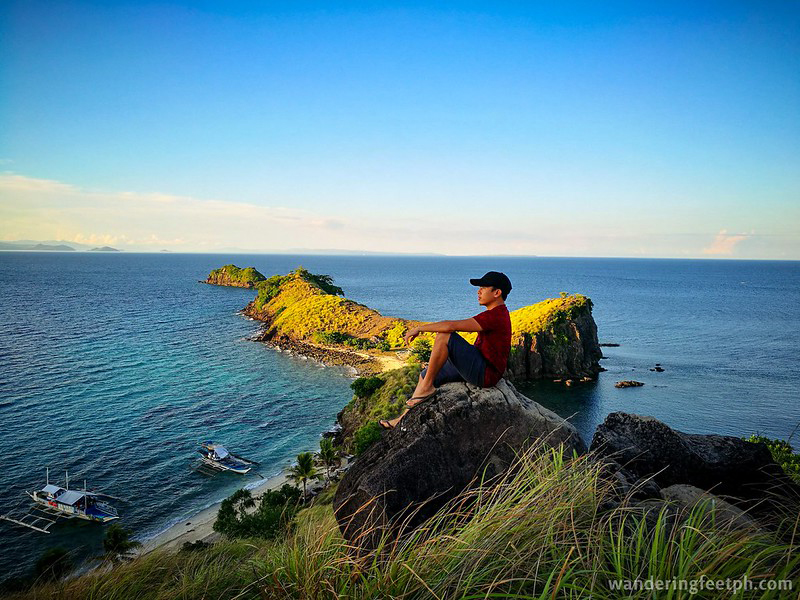
Photo credit: James Arthur
The defining feature of Sambawan Island is its viewing deck, perched atop the highest ridge of the island. Witnessing the sunrise here is a transformative experience that rewards those willing to wake up before dawn.
Pre-Dawn Preparation
Set your alarm for at least 4:30 AM. The sky begins to transition from deep indigo to soft shades of violet and magenta around 5:00 AM, with the sun breaking over the horizon shortly after 5:30 AM depending on the time of year.
- What to Wear: Dress in comfortable layers. While the daytime tropical heat is intense, the pre-dawn ridge can be surprisingly breezy and chilly due to open sea winds. Sturdy footwear or trekking sandals are essential, as the trail up the hill consists of natural earth, uneven stone steps, and grassy slopes.
- Gear Up: Bring a dependable flashlight or headlamp to navigate the unlit path leading up from the beach camp area to the view deck. Secure your camera or smartphone on a mini-tripod if you plan on capturing time-lapse footage of the shifting cloud colors.
The Ascent to the View Deck
The hike from the shoreline camp to the summit takes approximately 10 to 15 minutes. As you climb the concrete and earth stairs carved into the hillside, the surrounding soundscape shifts from the gentle lapping of waves against the shore to the crisp morning wind rushing across the ridge.
Arriving at the top reveals a sweeping panorama: to the east, the distant silhouettes of Leyte’s mountain ranges emerge against a glowing canvas; below, the jagged peninsulas of Sambawan plunge directly into crystal-clear turquoise waters dotted with anchored outrigger boats. When the sun finally crests the horizon, the golden light bathes the entire grassy ridge in a warm, ethereal glow that photographers and nature lovers cherish.
Accommodation and Amenities on the Island
Sambawan Island operates primarily as an eco-tourism destination with rustic, back-to-basics amenities. Managing your expectations regarding lodging ensures a comfortable and enjoyable stay.
- Tent Camping: Pitching your own tent on the sandy shore is the most popular way to experience the island. Sleeping under a canopy of stars with the sound of the ocean as your lullaby is an unforgettable highlight. Rental tents and sleeping mats are available on-site for a minimal fee if you do not carry your own gear.
- Native Cottages and Rooms: The island features a small number of basic concrete rooms and elevated wooden cottages managed by local caretakers. These accommodations fill up quickly during weekends and peak summer holidays, so advance reservations through local tourism coordinators or tour operators based in Naval are strongly recommended.
- Utilities and Electricity: Electricity on Sambawan is typically sourced from generators that operate during specific evening hours (usually 6:00 PM to 10:00 PM). Solar-powered lights illuminate key pathways at night. Bring fully charged power banks, extra camera batteries, and offline maps, as mobile data signal (Globe and Smart) can be intermittent and weak on parts of the island.
Food, Water, and Supplies
Because Sambawan Island is a remote marine sanctuary, commercial dining establishments are virtually non-existent.
- Self-Catering and Fresh Catch: Most overnight visitors bring their own uncooked rice, marinated meats, and drinking water purchased from the public market in Naval or Kawayan before boarding the boat. Local caretakers or island boatmen can often assist in grilling fresh fish purchased directly from local fisherfolk passing by the island.
- Drinking Water: Pack an ample supply of bottled or filtered water. While basic bottled water may be sold at small island kiosks, prices are higher due to transport costs, and stock can run out quickly during peak visitor days.
- Leave No Trace Principle: Proper waste management is critical on Sambawan. Bring heavy-duty trash bags to pack out all your garbage, plastics, and food containers when you leave. Preserving the pristine beauty of Biliran depends entirely on disciplined visitors who respect local ecosystems.
Essential Packing List for Your Sambawan Adventure
Packing smartly ensures you remain comfortable, safe, and prepared for both rugged island terrain and open-water boat travel.
- Clothing: Lightweight, quick-dry clothing, swimwear, long-sleeved rash guards for sun protection during island hopping, and a warm jacket or hoodie for chilly nights on the ridge.
- Footwear: Reef shoes or water shoes for sharp coral shores, and sturdy trekking sandals or sneakers for climbing the sunrise view deck.
- Sun Protection: Reef-safe sunscreen, polarized sunglasses, and a wide-brimmed hat or cap to protect against intense tropical UV rays.
- First Aid and Health: Personal medications, insect repellent (mosquitoes can be active near grassy areas), motion sickness pills for the boat ride, and basic wound disinfection kits.
- Cash (Philippine Pesos): There are no Automated Teller Machines (ATMs) or electronic payment kiosks on Sambawan Island or in remote ports like Kawayan. Ensure you carry sufficient cash in small denominations to cover boat rentals, entrance fees, environmental fees, cottage rentals, and food purchases.
Frequently Asked Questions (FAQs)
What are the standard fees when visiting Sambawan Island?
Visitors are typically required to pay a minimal environmental conservation fee and entrance fee at the island registration desk. Overnight camping fees and cottage rental rates vary depending on whether you bring your own gear or rent on-site.
Is Sambawan Island safe for solo travelers?
Yes, Biliran is known for its welcoming, hospitable local communities and low crime rates. However, because the island is isolated with limited communication networks, solo travelers should inform their boat operators of their schedule and exercise standard outdoor safety precautions.
Can I charge my electronic devices on the island?
Electricity is limited and generator-powered during evening hours. It is best to rely on high-capacity power banks for your smartphones, cameras, and drone batteries throughout your stay.
Are there other attractions nearby to explore?
If you have extra days in Biliran province, consider exploring Ulan-Ulan Falls, Tinago Falls, Camanweg Falls, or taking a side trip to Maripipi Island for local pottery workshops and coastal scenic drives.
Conclusion
Sambawan Island represents the very best of off-the-beaten-path Philippine ecotourism. From the adrenaline of navigating the coastal waters of Biliran to the serene majesty of watching the sunrise paint the Maripipi horizon from the island’s high ridge, every moment spent here connects travelers deeply with nature. By respecting local guidelines, preparing adequately for remote island conditions, and practicing sustainable travel, you ensure that Sambawan remains a breathtaking sanctuary for generations of explorers to come.





 Facebook
 Twitter