

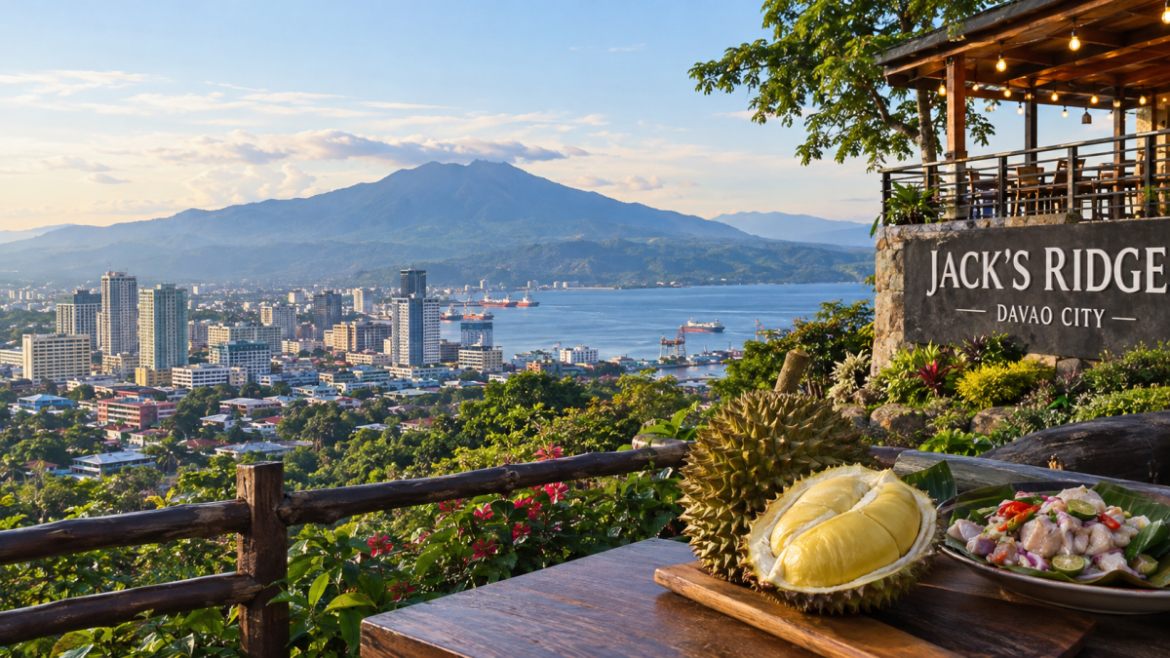
Why Davao City Deserves a Spot on Your 2026 Itinerary
This Davao City travel guide provides everything you need to know about navigating one of the Philippines’ safest, cleanest, and most culturally rich metropolitan destinations. Whether you are flying into Francisco Bangoy International Airport for a weekend food trip or using it as a base to explore the region, navigating the “Crown Jewel of Mindanao” requires up-to-date local knowledge.
1. Hyper-Local Commuting & Getting Around Davao
- The Public Utility Jeepneys (PUJs): Davao’s modern and traditional jeepneys are color-coded and route-numbered. Familiarize yourself with key transport terminals:
- Magsaysay Park / Chinatown Terminals: Best for routes heading north or toward coastal areas.
- Ecoland Bus Terminal (Southbound): Essential if you plan to transition from the city center toward Digos, Cotabato, or Mt. Apo entry points.
- Taxis & Modern Transport: Taxis in Davao are strictly regulated; drivers are known for giving exact change without tampering with meters. For ride-hailing, local Dabawenyo-centric booking options or regional alternatives provide reliable backup during peak rush hours (7:00 AM – 9:00 AM and 5:00 PM – 7:00 PM along J.P. Laurel Avenue).
- Local Safety Tip: Davao enforces a strict no-smoking policy in public spaces and a 1:00 AM curfew on the sale of alcoholic beverages in establishments. Keep a valid ID on hand at all times for routine security checks at entry points of malls and major public areas.
2. Essential Davao City Itinerary (3 Days / 2 Nights)
- Day 1: Culture, History & City Landmarks
- Morning: Visit People’s Park (free admission) to see the indigenous sculpture works by Kublai Millan.
- Afternoon: Walk through the Davao City Chinatown—the largest in the Philippines by land area—and sample authentic Chinese-Dabawenyo street food.
- Evening: Dinner at Roxas Avenue Night Market for grilled seafood and local street skewers.
- Day 2: Nature and Adventure
- Morning: Head to Eden Nature Park and Resort (located in Toril; roughly a 45-minute drive from downtown). Book your shuttle or entrance package in advance to avoid long weekend queues.
- Afternoon: Check out the Philippine Eagle Center in Malagos to support conservation efforts for the country’s national bird.
- Day 3: Culinary & Souvenir Shopping
- Morning: Buy authentic local fruits. (If you are looking to understand durian farming economics or want deep dives into regional pricing, read our guide on How Much Does It Cost to Start a Durian Farm in the Philippines? or The Real Cost of Feeding a Family in Davao.)
- Afternoon: Drop by Pasalubong centers along Magsaysay Park for Suha (pomelo) and Malagos artisanal chocolates.
3. Where and What to Eat: Must-Try Local Flavors
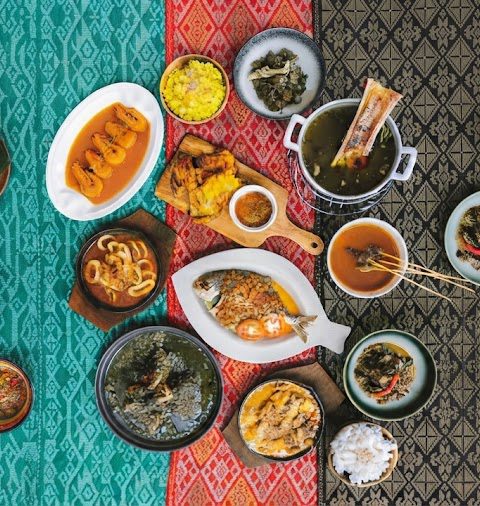
- Davao Tuna: Try grilled Panga (tuna jaw) or Imbao soup at Marina Tuna or homegrown local eateries near Lanang.
- Durian & Local Fruits: Seasonal peaks happen between August and October, but frozen or processed durian products (coffee, candy, pastries) are available year-round at Bankerohan Market.
4. Planning Your Broder Trip? (Internal Linking / Anti-Cannibalization Hub)
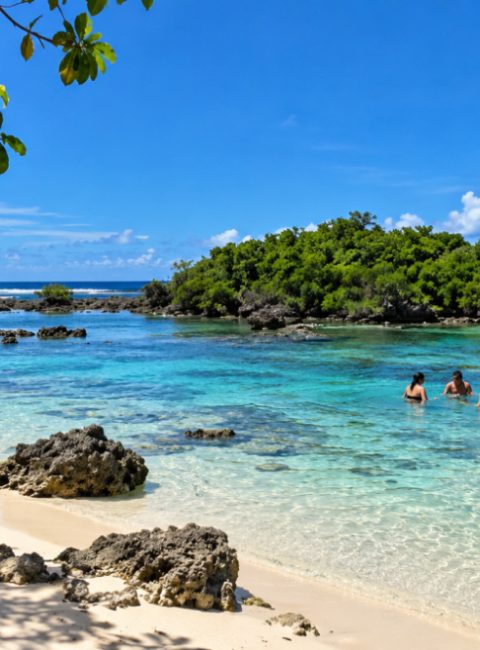
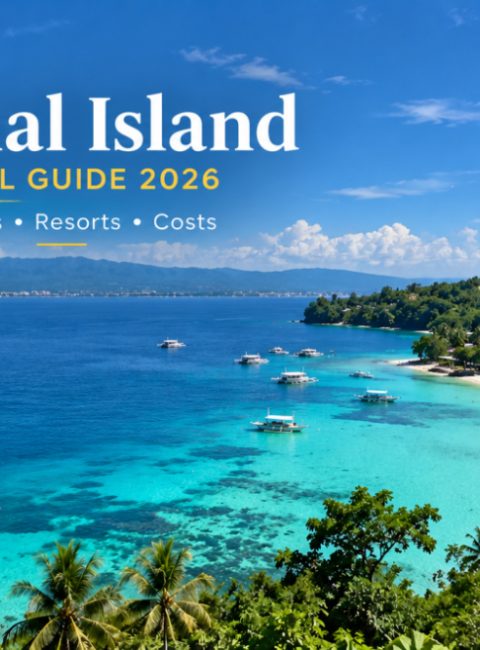
- Heading to the Beach? Do not try to fit Samal Island into this city guide. Check our dedicated Samal Island Travel Guide 2026 for exact ferry schedules, resort fees, and beach hopping itineraries.
- Thinking of Relocating or Staying Longer? If you are evaluating utility expenses, housing, or grocery budgets instead of just traveling, read our deep-dives on How Much Do You Need to Live Comfortably in Davao City in 2026? and The Real Cost of Feeding a Family in Davao in 2026.
Frequently Asked Questions (FAQ)
- Q: Do I need cash or digital payments in Davao?
- A: While major malls and hotels accept cards and GCash, carry at least ₱1,000–₱2,000 in cash for traditional jeepney fares, market stalls, and park entrance fees.
- Q: Is Davao City safe for solo travelers?
- A: Yes, Davao consistently ranks as one of the safest cities in Southeast Asia due to strict local ordinances and active community policing. Standard urban precautions still apply.
About the Author & Editorial Integrity
Maria L. Santos
Travel and Consumer Affairs Contributor, Buzz PH
Maria is a seasoned Philippine travel researcher and lifestyle writer who regularly coordinates with regional tourism offices, local transport operators, and community stakeholders across Mindanao to ensure firsthand, accurate, and safe travel guidance. Buzz PH maintains strict editorial independence. All logistical fees and itineraries are cross-verified with official local government units (LGUs).


 Facebook
 Twitter