

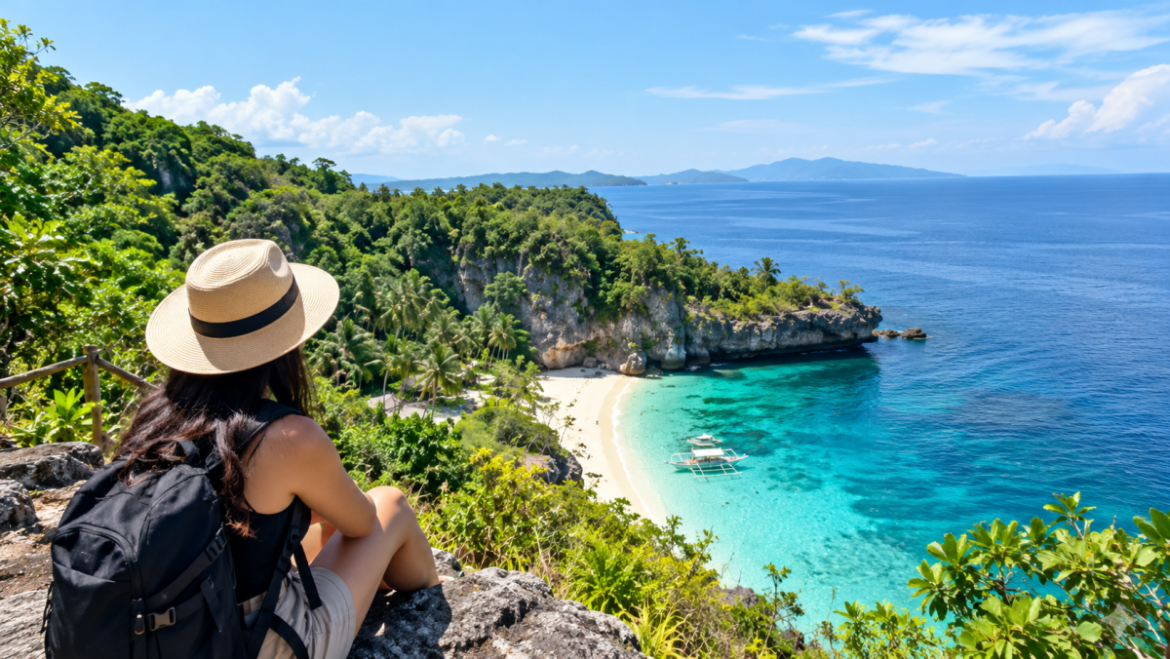
Understanding Siquijor’s Island Appeal
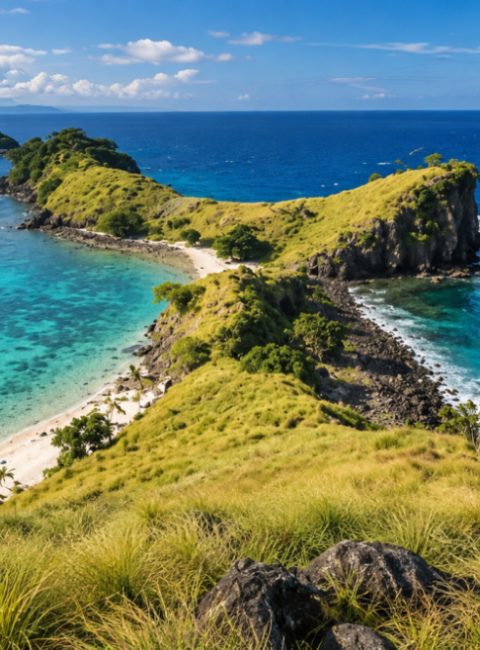
A comprehensive Siquijor Travel Guide 2026 helps first-time visitors explore the island with intention rather than rushing through a checklist. Known locally as Isla del Fuego (Island of Fire) due to the swarms of fireflies that once lit up its coastal mangroves, the island combines turquoise waterfalls, powdery white-sand beaches, and Spanish-colonial heritage structures like the Lazi Church and Convent.
Based on firsthand field observations and regional tourism tracking, an ideal trip for most travelers coming from major Philippine hubs lasts between 3 to 5 days. This timeframe allows you to cover top destinations without burning out on transit or missing out on the island’s slower, more relaxed pace.
Current Economic Realities: Adjusting Your Budget
When planning your expenses, avoid relying on outdated travel blogs published years ago. According to official economic reports from the Philippine Statistics Authority (PSA), provincial inflation in Siquijor has experienced notable upward adjustments—particularly across food items, restaurants, and accommodation services.
Building a realistic financial buffer prevents you from running short on cash. While major establishments accept digital payments or cards, Siquijor remains heavily cash-dependent, especially for small tricycle fares, local eateries (carinderias), entrance fees, and small-scale rentals. Always carry sufficient Philippine pesos before leaving Dumaguete or withdrawing from reliable ATM networks in San Juan or Larena.
How to Get to Siquijor: Routes and Ferry Logistics
The most reliable gateway to Siquijor is Dumaguete City in Negros Oriental. From the Dumaguete seaport, high-speed ferries and RORO vessels connect directly to the ports of Siquijor or Larena.
- Dumaguete to Siquijor: Frequent daily trips are serviced by trusted maritime operators like OceanJet and Montenegro Shipping Lines. Travel time averages around 45 to 60 minutes depending on sea conditions.
- Cebu or Bohol Connections: Direct or connecting sailings are available via Tagbilaran (Bohol) or Cebu City, but schedules shift frequently due to weather or seasonal tourism demand. Always verify current timetables directly with official ferry ticket counters before locking in your hotel bookings.
Important Ferry Baggage and Travel Advisories
When packing for your trip, keep official transport policies in mind to avoid terminal delays. For instance, OceanJet baggage guidelines mandate a 10 kg free allowance for Tourist and Open-Air passengers, requiring trolley or collapsible bags to be checked in. Passengers are consistently advised to keep valuables—such as cash, smartphones, laptops, and essential medications—inside personal carry-on bags rather than checked luggage.
Furthermore, because sea travel in the Visayas is subject to sudden weather changes during monsoon transitions, never schedule your ferry arrival on the exact same day as an international or connecting domestic flight out of Dumaguete or Cebu. Always leave at least a 24-hour buffer.
Choosing Where to Stay on the Island
Siquijor’s coastal ring road makes getting around straightforward, but your choice of base camp defines your daily routine:
- San Juan: The most popular base for first-time visitors. It concentrates the highest number of beach resorts, restaurants, cafes, and sunset spots along the western coast.
- Larena or Siquijor Town: Ideal if you prefer proximity to main port terminals, local markets, municipal offices, and government services.
- Lazi: Best suited for travelers looking for a quieter, more rural environment close to southern natural attractions like Cambugahay Falls.
Getting Around: Motorcycles vs. Tricycles
- Motorcycle Rental: For confident riders, renting a scooter is the most flexible way to explore the island at your own pace. Rates typically range from ₱350 to ₱500 per day. Always inspect the brakes, tires, lights, and helmet condition, and take photos of pre-existing scratches before driving off.
- Tricycles and Private Vans: If you are traveling with family, elderly companions, or heavy luggage, hiring a private tricycle driver for a whole-day island tour (ranging from ₱1,500 to ₱2,500 depending on the route) provides safety, convenience, and shelter from sudden tropical rain showers.
Essential Stops and Itinerary Highlights
- Cambugahay Falls: A multi-tiered cascading waterfall featuring striking turquoise pools, officially highlighted by the Philippine Department of Tourism (DOT). Arrive early in the morning before midday crowds arrive. Wear footwear suitable for wet, slippery stone surfaces and use dry bags for your electronics.
- Lazi Church and Convent: Officially recognized by the National Museum of the Philippines and the Department of Tourism as important cultural landmarks. Built in the late 19th century from coral stone and native hardwood, the adjacent convent is one of the oldest and largest structures of its kind in the country.
- Paliton Beach: Located in San Juan, this stretch of fine white sand lined with leaning coconut palms offers some of the best sunset views on the island. Give yourself time to settle in before golden hour begins.
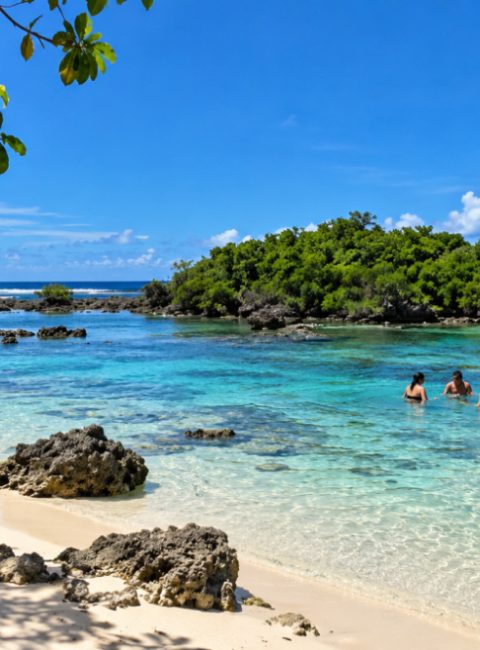
- Salagdoong Beach: Known for its clear waters and coastal rock formations. If you plan to jump from the concrete platforms or swim in designated zones, check local safety advisories and current tide conditions first.
Responsible Cultural Tourism
Siquijor’s distinct cultural identity—including its traditions of folk healing and herbalism—attracts curious travelers from all over the Philippines and abroad. When exploring these aspects of the island, approach local practitioners and community elders with genuine respect, viewing traditions through a cultural lens rather than sensationalized myths.





 Facebook
 Twitter