

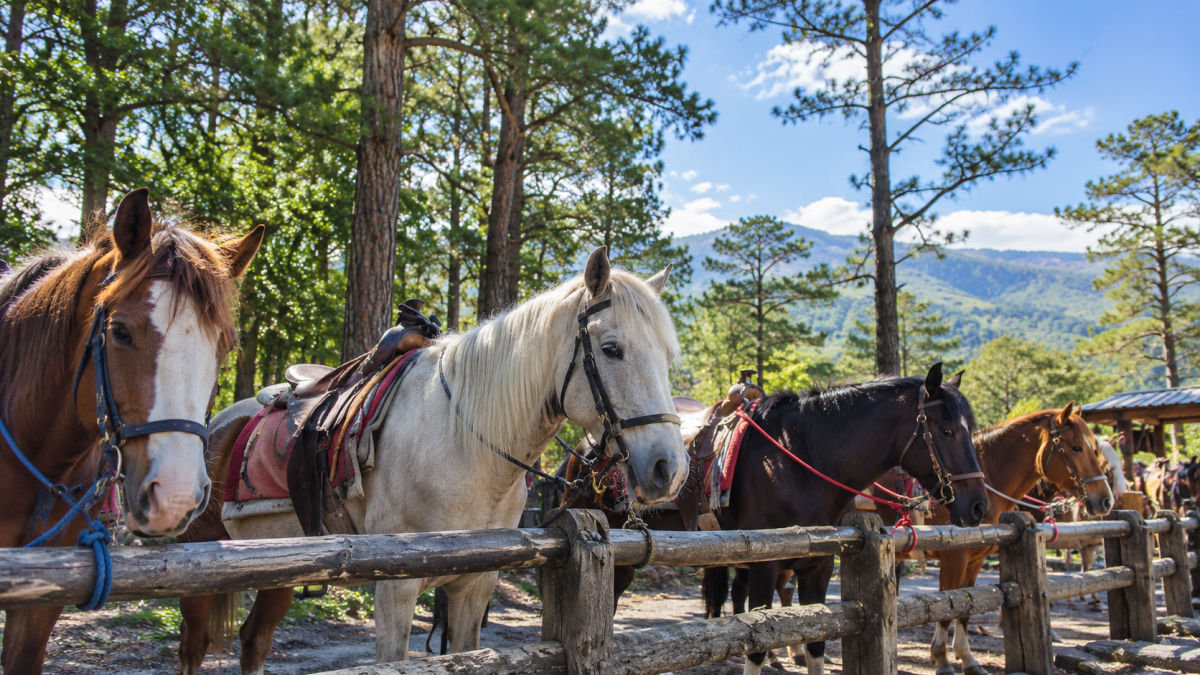
Introduction to the Highland Renaissance
Baguio travel guide resources often recycle the same worn-out itineraries, but returning to the Summer Capital reveals a city undergoing a profound creative transformation. Stepping off the bus into the highlands immediately triggers a distinct sensory shift: the crisp chill of mountain air, the earthy scent of native Benguet pine trees, and the romantic fog rolling over the hills. No longer just a nostalgic postcard from the past, Baguio has evolved into a vibrant, living canvas driven by its official designation as a UNESCO Creative City for Crafts and Folk Art. This updated guide cuts through standard tropes to offer an authentic, research-backed perspective on experiencing the modern artistic pulse of the Cordilleras.
Navigating the Modern Coolcationing Landscape
The tourism dynamics of the highlands have shifted dramatically toward what local planners term the “coolcation” movement. Travelers are staying longer, trading rushed weekend itineraries for slow living, remote work, and deep cultural immersion. Walking through the city center, you will notice pedestrianization efforts and tighter environmental protocols enforced by local tourism bodies to protect air quality and manage urban density. Navigating the steep terrain requires mindfulness; relying on traditional jeepneys remains an authentic cultural experience, but downloading local ride apps or simply exploring central neighborhoods on foot allows you to stumble upon hidden architectural gems and pocket murals that mass tourism brochures completely miss. Packing layers is essential, as micro-climates shift rapidly from glaring midday sun to chilling afternoon mist within minutes.
Inside Baguio’s Creative Hubs and Independent Galleries
The true heartbeat of contemporary Baguio lives inside its grassroots art spaces, where traditional indigenous craftsmanship meets radical modern expression. A prime example is the iconic Ili-Likha Artists Village along Assumption Road, conceptualized by National Artist Kidlat Tahimik. Walking through Ili-Likha feels like stepping inside a living, breathing sculpture where recycled materials, native tree trunks, and mosaics encase independent food stalls and micro-cinemas. Similarly, spaces like the BenCab Museum on the outer fringes of Tuba offer world-class contemporary art collections seamlessly integrated with traditional Ifugao hut architecture and terraced organic gardens. Engaging with artists here—many of whom are active members of local collectives like the Baguio Arts Guild and the Pasakalye Group—provides profound insight into how contemporary creators draw inspiration from ancestral Cordilleran roots.
The Culinary Evolution: From Strawberry Tarts to Indigenous Fusion
Food in the highlands has broken far beyond the traditional boundaries of ube jam and standard strawberry shortcakes. The contemporary dining scene champions farm-to-table sustainability, sourcing fresh organic produce directly from the surrounding agricultural valleys of La Trinidad and Benguet. Cafes and restaurants across the city now experiment with indigenous ingredients, introducing dishes like smoked kiniing pasta and wild-berry infusions that honor local culinary heritage while appealing to modern palates. Specialty coffee roasteries have also proliferated, transforming coffee appreciation into an art form. Independent spots like Nest Coffee Roasters at Calle Uno Food Hub and rustic garden cafes like Café Kafagway demonstrate a meticulous dedication to single-origin beans, precise extraction methods, and community-centered spaces where travelers can sit back, sketch, or write.
Sustainable Travel and Respectful Engagement
As Baguio continues to balance its rapid modernization with heritage preservation, practicing mindful tourism is more important than ever. Visitors play a crucial role in maintaining the ecological and cultural balance of the UNESCO Creative City. Simple actions—such as strictly observing waste segregation policies, supporting local indigenous weavers rather than mass-produced factory souvenirs, and asking permission before photographing local artisans or traditional attire—go a long way. Engaging deeply with community-led initiatives, supporting independent galleries, and respecting sacred ancestral domains ensure that Baguio remains a sanctuary of cool air, creative freedom, and pine-scented inspiration for generations of travelers to come.
About the Author: Maria L. santos
Maria L. santos is a cultural heritage researcher and travel journalist who has spent over a decade documenting the evolving arts, architecture, and culinary movements across the Philippine highlands. With a focus on sustainable travel and community-led tourism, they write to connect modern explorers with the authentic soul of local destinations.



 Facebook
 Twitter