

Introduction: Managing Power Costs in the Philippines
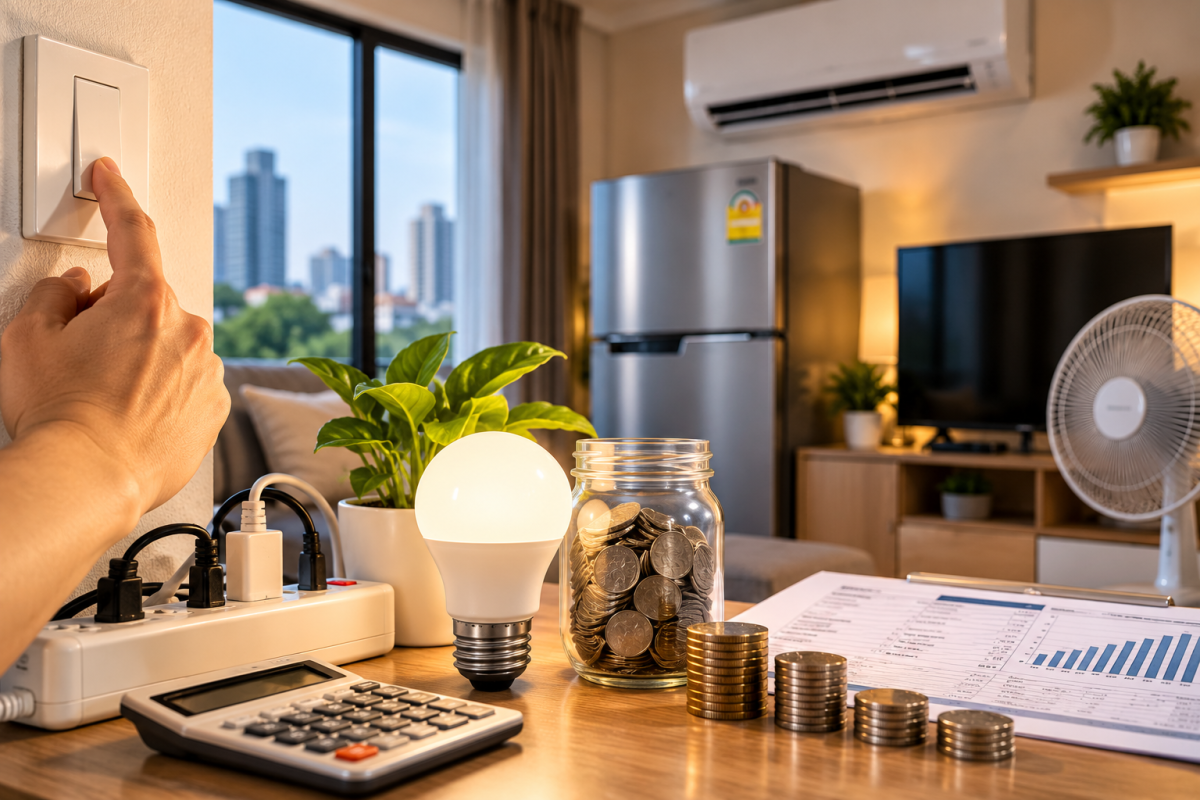
How to lower your electricity bill in the Philippines is a question many households face, especially during hot summer months when air conditioners, electric fans, refrigerators, and other cooling appliances run for longer periods. Instead of relying on generic money-saving tricks, households can start by identifying which appliances consume the most electricity, understanding their monthly kilowatt-hour (kWh) usage, and changing habits that create unnecessary consumption. Small adjustments become more meaningful when measured against actual electricity use and maintained over several billing cycles.
Reducing your electricity bill does not require expensive home renovations or replacing every appliance. In many cases, the first step is simply understanding where your electricity goes and which habits create unnecessary consumption.
Understanding Regional Utility Context: Meralco, VECO, and Davao Light
Electricity rates in the Philippines are not uniform. Your final bill depends heavily on your local distribution utility (DU) or electric cooperative. Understanding how your regional provider structures its charges is critical to lowering your bill:
- Luzon (e.g., Meralco): Serves Metro Manila and surrounding provinces. Meralco operates under a unbundled generation, transmission, distribution, and system-loss tariff structure, often subject to volatile spot market (WESM) prices during peak summer months. Lifeline rates apply to low-income consumers consuming below specific monthly thresholds.
- Visayas (e.g., Visayan Electric / VECO): Serves Metro Cebu and nearby cities. VECO rates depend heavily on fossil fuel generation mix and local distribution charges, making optimal appliance scheduling (avoiding peak hours when possible) essential.
- Mindanao (e.g., Davao Light & Power Co.): Serves Davao City and surrounding areas. Mindanao grid pricing often benefits from hydro power availability, but generation charges still fluctuate based on coal and renewable blend shifts approved by the Energy Regulatory Commission (ERC).
Real-World Case Study: The Santos Family’s One-Month Energy Audit
To see how these 20 steps work in practice, consider the Santos family living in a typical two-storey townhouse in Quezon City serviced by Meralco. In April 2026, their monthly bill spiked to an alarming ₱5,800 for 340 kWh of consumption.
Frustrated, the Santos family implemented a strict 30-day energy management plan:
- Aircon Discipline: They set their inverter window-type AC to a steady 25°C with a ceiling fan running concurrently, instead of blasting it at 18°C.
- Phantom Load Elimination: They unplugged microwave ovens, TV boxes, and phone chargers when not actively in use.
- Appliance Maintenance: They cleaned their aircon filters bi-weekly and defrosted their single-door refrigerator.
The Result: By the end of May 2026, their consumption dropped to 245 kWh, reducing their bill down to ₱4,150—saving over ₱1,650 in a single billing cycle without sacrificing daily comfort.
20 Practical Ways to Lower Your Electricity Bill
- Optimize Refrigerator Door Seals (Gaskets)
- Tip: Test your fridge seal by closing the door on a paper bill. If the paper slips out effortlessly with zero resistance, your gasket is worn out, leaking cold air and hiking power bills.
- Use Inverter Appliances for Heavy-Duty Motors
- Tip: When replacing old refrigerators, washing machines, or air conditioners, invest in inverter-technology models. They adjust motor speeds dynamically rather than cycling full-blast on and off.
- Maximize Natural Daylight and Ventilation
- Tip: Open windows and clerestory vents during mornings and late afternoons to flush out trapped heat before turning on artificial lights and fans.
- Wash Laundry in Full Batches
- Tip: Running a washing machine half-full wastes both water and electricity. Wait until you have a full accumulated load before starting a cycle.
- Air-Dry Clothes Whenever Possible
- Tip: Electric clothes dryers are among the highest energy-consuming appliances in a household. Utilize natural Philippine sunlight and breeze for clothes drying.
- Turn Off Electric Fans When Rooms are Unoccupied
- Tip: Electric fans cool people, not rooms. Leaving a fan running in an empty bedroom wastes electricity and adds unnecessary mechanical wear to the motor.
- Iron Clothes in Bulk
- Tip: Heating up an electric flatiron consumes significant wattage. Iron your weekly work clothes in one single session rather than plugging the iron in daily.
- Unplug Chargers Immediately After Device Charging
- Tip: Leaving phone or laptop chargers plugged into wall sockets even without devices attached draws trickle current and wears down internal transformer components.
- Position Refrigerators Away from Heat Sources
- Tip: Keep your refrigerator away from gas stoves, direct sunlight, and rice cookers. External heat forces the refrigerator condenser coils to work harder to maintain internal cold temperatures.
- Clean Electric Fan Blades and Motor Shafts
- Tip: Dust accumulation on fan blades creates aerodynamic drag, while dust inside the motor housing causes friction, slowing rotation and increasing power draw.
- Use Microwave Ovens Instead of Stovetops for Small Reheating
- Tip: Microwaves heat food faster and more directly than traditional electric hotplates or stovetops, consuming less cumulative energy for small portions.
- Install Solar Window Films or Thermal Curtains
- Tip: Block direct tropical sunlight entering glass windows during peak afternoon hours (12 PM to 4 PM) to lower indoor ambient temperatures naturally.
- Monitor Your Meter Reading Weekly
- Tip: Take a weekly photo of your electric meter to track consumption trends before your monthly bill arrives, allowing you to catch abnormal spikes early.
- Service Aircon Units Professionally Every 6 Months
- Tip: Book professional chemical cleaning for your air conditioner bi-annually. Clean coils and proper refrigerant levels restore peak cooling efficiency.
- Take Advantage of Lifeline Rates (If Eligible)
- Tip: If your household consumption falls within your utility’s government-approved lifeline bracket for low-income residential consumers, ensure your account is properly registered to receive subsidized tariff discounts.
Final Thoughts & Energy-Saving Summary
Lowering your electricity bill in the Philippines is an ongoing habit rather than a one-time fix. By combining appliance maintenance, mindful daily habits, and understanding how your regional utility calculates generation charges, your household can successfully tame monthly power costs throughout 2026 and beyond.
About the Author
Nicole S. Aquino is a Manila-based financial writer and consumer advocate specializing in household budgeting, utility cost management, and personal finance strategies in the Philippines. With extensive experience researching local distribution utility rate structures, Nicole helps Filipino families navigate inflation and optimize their monthly household expenditures.





 Facebook
 Twitter