

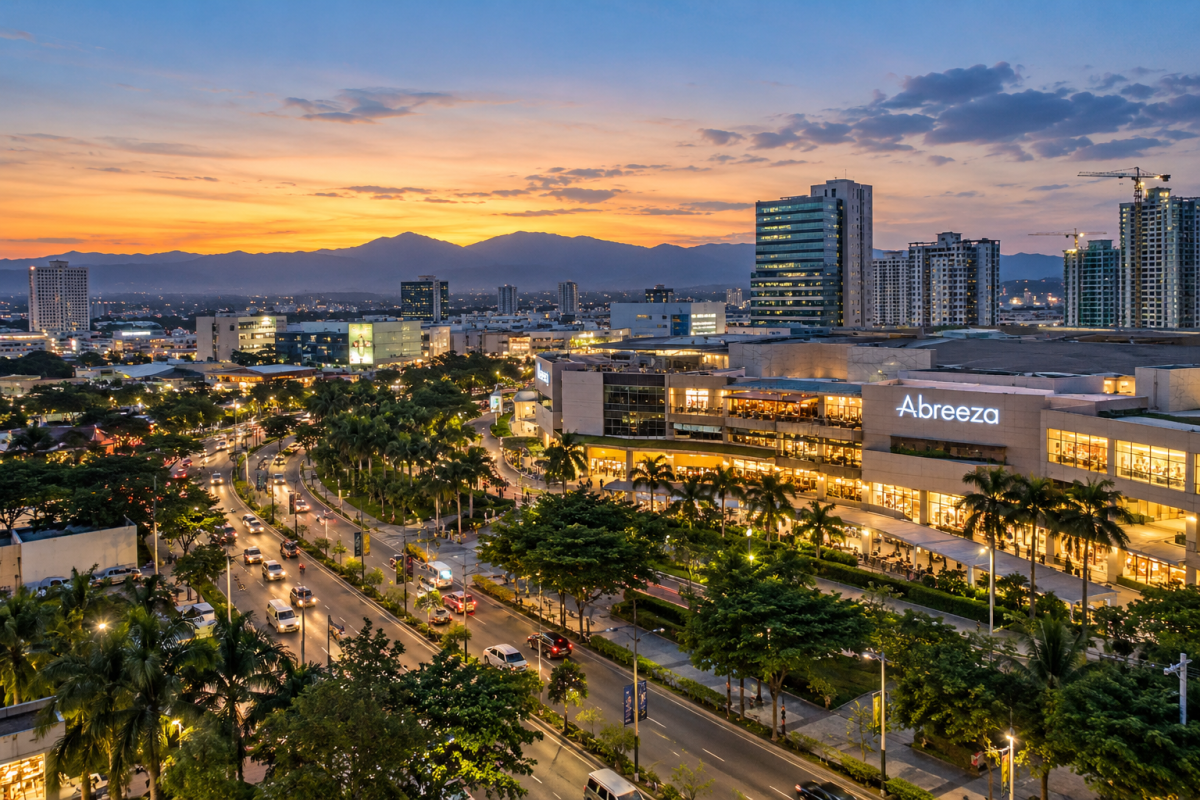
Navigating the cost of living in Davao City requires looking past generalized national averages. As Mindanao’s premier urban center, Davao offers a unique economic ecosystem: lower fresh produce and local market prices compared to Metro Manila, contrasted with urban utility and real estate pressures in commercial hubs like Abreeza and Bajada.
There is no single salary that guarantees a comfortable life here; instead, your budget depends heavily on housing choices, household size, and lifestyle priorities. This guide delivers a granular, high-value breakdown of what it realistically takes to live comfortably in Davao City this year—categorized by lifestyle tiers, actual neighborhood expenses, healthcare outlays, and dynamic household needs.
1. Granular Expense Breakdown (2026 Estimates)
To maintain objectivity and high utility value, expenses are segmented into three distinct lifestyle tiers:
| Expense Category | Lean / Budget Tier | Moderate / Comfortable Tier | Expanded / Premium Tier |
|---|---|---|---|
| Housing / Rent | ₱7,000 – ₱10,000 (Studio apartment / Boarding house in outer districts like Mintal or Buhangin) | ₱12,000 – ₱18,000 (1-Bedroom condo or furnished apartment near Matina or Lanang) | ₱22,000 – ₱35,000+ (2-Bedroom upscale condo near Abreeza / Bajada commercial centers) |
| Food & Groceries | ₱6,000 – ₱8,000 (Strict home cooking, local wet markets like Bankerohan or Agdao) | ₱10,000 – ₱14,000 (Mix of supermarkets, occasional dining out / cafes) | ₱16,000 – ₱25,000+ (Frequent dining at mid-to-high-end restaurants, imported groceries) |
| Utilities (Power/Water/Internet) | ₱2,500 – ₱3,500 (Moderate electric fan use, basic prepaid fiber) | ₱4,000 – ₱6,500 (Inverter aircon running 8–10 hours, unlimited fiber internet) | ₱7,000 – ₱10,000+ (Multiple aircon units, heavy home office setup) |
| Transportation | ₱1,500 – ₱2,500 (Jeepneys, local commute) | ₱3,000 – ₱5,000 (Mix of public transit, occasional ridesharing/taxis) | ₱6,000 – ₱12,000+ (Car maintenance, fuel, regular rideshare use) |
| Total Estimated Monthly | ₱17,000 – ₱24,000 | ₱29,000 – ₱43,500 | ₱51,000 – ₱82,000+ |
2. Key Cost Drivers Unique to Davao City
- The Electricity Factor: Davao Light operates relatively stable regional power rates compared to Luzon grids, but air conditioning remains the single biggest variable. Running an inverter AC unit overnight adds roughly ₱1,500 to ₱2,500 monthly to a utility bill depending on seasonal heat indexes.
- Neighborhood Disparities: Living within prime commercial corridors (Lanang, Bajada, downtown near Abreeza) commands a 30% to 50% premium on rent compared to suburban extensions like Tugbok, Calinan, or parts of Buhangin.
- Produce vs. Imported Goods: Sourcing your weekly vegetables, tropical fruits, and poultry from traditional markets (Bankerohan or Agdao) keeps grocery overhead significantly lower than relying exclusively on imported goods at upscale supermarket chains.
3. Healthcare, Insurance, and Medical Outlays
When calculating a sustainable budget in Davao City, factoring in medical security is essential. While public institutions like the Southern Philippines Medical Center (SPMC) provide major safety nets, private healthcare costs require structured planning:
- HMO and Private Insurance: Most employed professionals and self-employed freelancers allocate between ₱1,500 to ₱3,500 monthly for private HMO coverage (such as Maxicare, Medicard, or PhilCare) to access private facilities like Davao Doctors Hospital, San Pedro Hospital, or Metro Davao Medical and Research Center.
- Out-of-Pocket Consultations: Standard specialist consultations in private clinics range from ₱500 to ₱1,000 per visit, while basic laboratory tests and prescription maintenance add a predictable buffer to annual health upkeep.
4. Neighborhood Profiles: Matching Your Budget to Location
Choosing where to reside in Davao heavily dictates your monthly overhead:
- Student & Budget Hubs (Mintal, Matina Crossing): Highly favored by university students and young professionals due to accessible boarding houses, dormitories, and affordable local eateries (carinderias). Rent here remains gentle on the wallet.
- Suburban Family Communities (Buhangin, Catalunan Grande): Ideal for growing families seeking secured subdivision townhouses or modest single-detached homes with manageable traffic access to the city center.
- Urban & Commercial Corridors (Lanang, Bajada, JP Laurel Ave): Suited for expatriates, corporate leaders, and remote executives who prioritize walkability to malls, coffee shops, coworking spaces, and premium medical centers.
5. How to Calculate Your Personal Target Income
Instead of aiming for an arbitrary threshold, use the 40-30-20 Rule tailored for Davao’s economic landscape:
- 40% Core Needs: Rent, utilities, groceries, basic healthcare, and local transit.
- 30% Lifestyle & Discretionary: Dining out, weekend trips to Samal Island, subscriptions, and hobbies.
- 20% Savings & Emergency Fund: Crucial buffer for unexpected medical or household repairs.
If your core monthly expenses total ₱25,000, your baseline take-home income should ideally sit around ₱62,500 to maintain a balanced, stress-free financial cushion.







 Facebook
 Twitter