
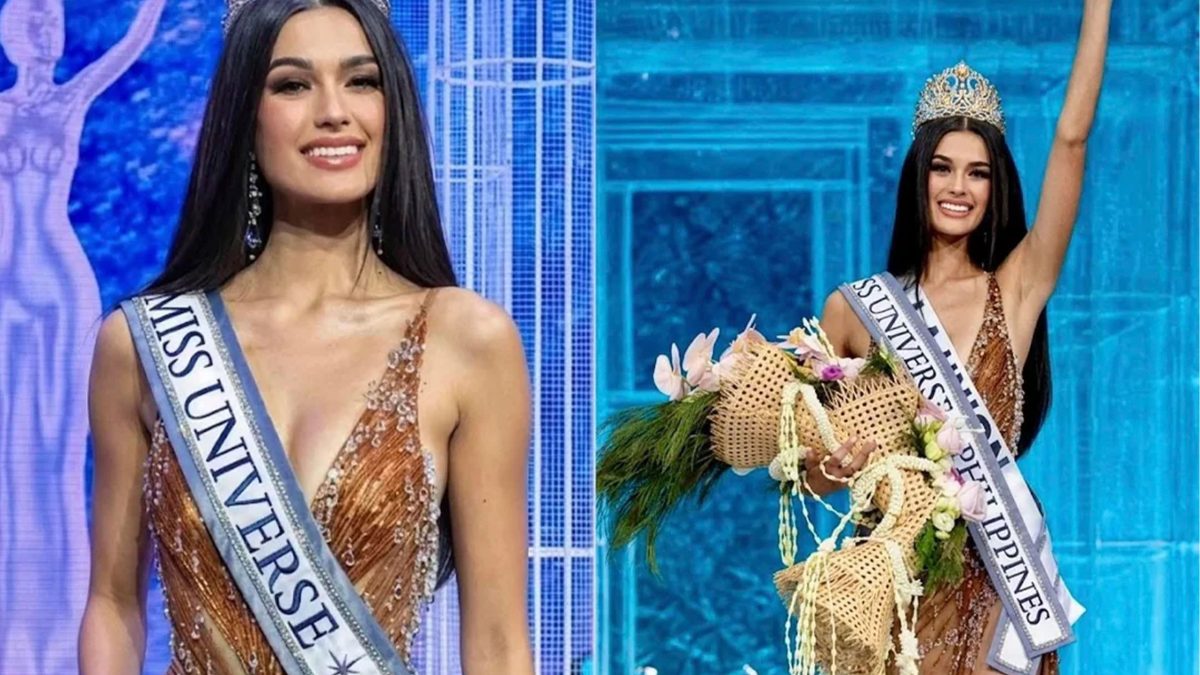
Miss Universe Philippines representation debate intensified following Bea Millan-Windorski’s 2026 win, as public reaction shifted from celebration to deeper questions about identity, dual citizenship, and what it truly means to represent the country today.
The reaction to Bea Millan-Windorski’s Miss Universe Philippines 2026 win did not follow the usual celebratory pattern. Instead, it exposed a growing tension among Filipino audiences—one that questions not just who wins, but what qualifies someone to represent the country in an era shaped by migration, dual citizenship, and evolving identity.
Online discussions quickly gravitated toward her earlier participation under the United States in Miss Earth 2024, turning her victory into a broader conversation about consistency and allegiance. The issue, however, goes beyond a single candidate. It reveals how Filipinos are increasingly applying emotional and cultural expectations to pageantry, treating it as a reflection of national belonging rather than a purely competitive platform.
“Why represent the Philippines now after competing for another country before?”
This sentiment highlights a standard often imposed on candidates: that representation should follow a linear and exclusive path. Yet this expectation does not fully align with the lived realities of many Filipinos today, particularly those raised in multicultural environments. For individuals with dual heritage, identity is rarely confined to one fixed narrative.
At the same time, others viewed the criticism as misplaced, pointing out that heritage is not diminished by previous affiliations.
“Being half-Filipino is still being Filipino. That shouldn’t be questioned.”
This response signals a gradual shift in perspective. Rather than focusing on where a candidate previously competed, some audiences are beginning to value cultural connection and personal identification more heavily. It suggests that Filipino identity is being renegotiated—not abandoned, but expanded to reflect a more global experience.
Millan-Windorski’s prior engagement in Philippine-based initiatives further complicates the discussion. Her involvement in environmental and community efforts before entering the Miss Universe Philippines stage introduces a different measure of representation—one based on sustained contribution rather than symbolic alignment.
“She’s been active in the Philippines even before joining. That matters more than where she competed.”
This viewpoint reframes the criteria entirely. Instead of asking where a candidate stood in the past, it shifts attention to what they have actively invested in over time. It challenges a rigid, checklist-style definition of nationality and replaces it with a more participatory standard.
What makes this moment particularly significant is how visibly divided public opinion has become. Filipino pageant audiences are no longer unified by default support; they are increasingly analytical, vocal, and willing to question narratives that once went unchallenged. This signals a transition from passive admiration to active evaluation.
As more candidates emerge from diaspora communities or multicultural backgrounds, this tension is likely to intensify. The standards applied today will influence not only future contestants but also how national identity is interpreted in highly visible platforms.
Millan-Windorski’s win, therefore, functions as more than a pageant outcome. It underscores a shift in how representation is measured—no longer limited to origin or past affiliations, but shaped by a combination of heritage, participation, and public perception. In the process, it raises a more complex question: not who is qualified to represent the Philippines, but how Filipinos themselves choose to define that qualification moving forward.
The Miss Universe Philippines representation debate also reveals how digital platforms amplify scrutiny in ways traditional media never did. Social media allows real-time judgment, where narratives are quickly formed and contested. This environment places candidates under a different kind of pressure—one that goes beyond performance and into personal history. Observers noted that this shift may redefine how future contestants prepare, not just in terms of advocacy and presentation, but also in how they publicly frame their identity long before stepping onto the national stage.






 Facebook
 Twitter