
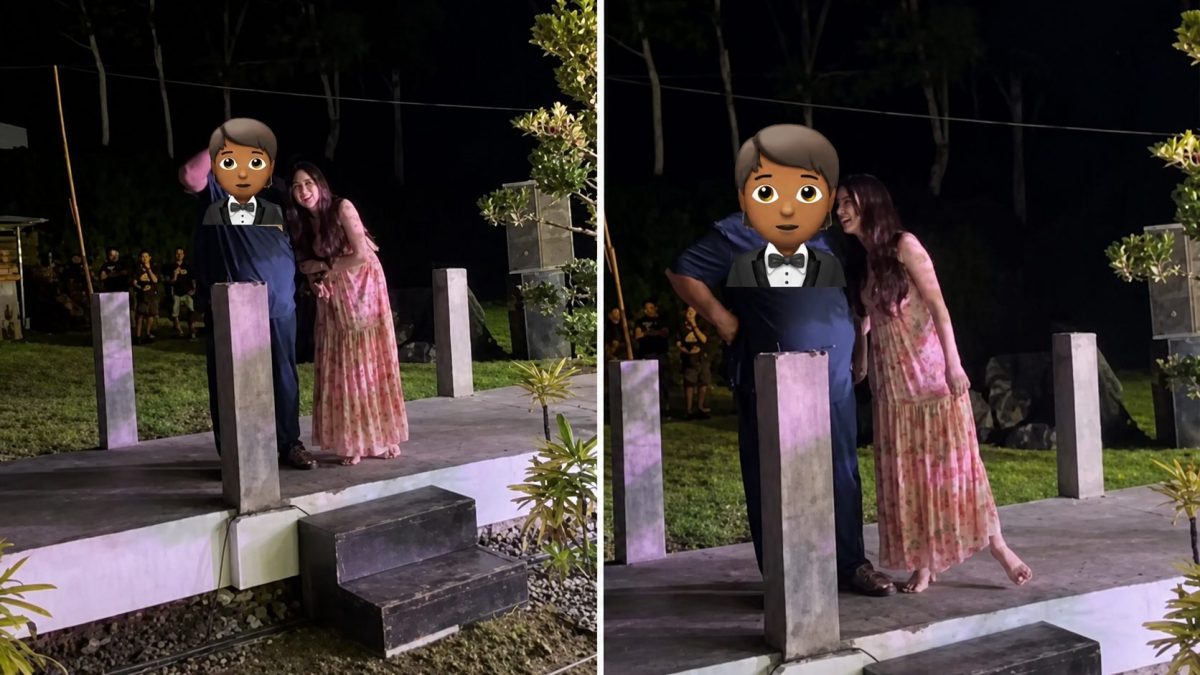
Kim Domingo blind item discussions intensified after a video posted by Xian Gaza on his official Facebook page sparked widespread speculation among netizens. Instead of providing clear answers, the post encouraged viewers to interpret clues, turning the issue into a broader example of how Filipino audiences engage with ambiguous online content.
A video post shared by social media personality Xian Gaza on his official Facebook page has triggered a wave of online speculation, with discussions gradually linking actress Kim Domingo to a circulating blind item. Rather than settling the issue, the post has amplified a different phenomenon: how Filipino netizens collectively interpret and attempt to identify subjects of ambiguous online content.
Observers noted that the conversation did not stem from a direct or formal confirmation, but from fragments presented in the video—visual hints, suggestive wording, and perceived references. These elements encouraged viewers to draw their own conclusions, transforming the content into a kind of open-ended puzzle shaped by audience participation.
The development highlights how blind items have evolved in the digital age. Traditionally confined to entertainment columns, they now function as interactive narratives where meaning is built through discussion. In this case, Domingo’s name surfaced repeatedly in online conversations, not through an official statement, but through a pattern of shared interpretations that gained traction over time.
“Parang game na siya for netizens—kung sino ang makakahula agad,” one user wrote, pointing to how engagement often centers on identifying clues rather than verifying information.
This reflects a broader pattern in online behavior where participation itself becomes a form of visibility. Users who contribute early theories or connections often gain attention, reinforcing a cycle in which speculation spreads quickly, sometimes outpacing confirmed details.
At the same time, the situation underscores the blurred boundary between entertainment and accountability. While blind items are often treated as harmless intrigue, linking real individuals—even through inference—can carry reputational implications. For public figures, being associated with a trending topic may influence public perception regardless of whether the connection is explicitly verified.
“Nakakaaliw pero minsan parang unfair din kapag wala pang buong kwento,” another comment read, reflecting concerns about incomplete or evolving narratives.
This tension is particularly visible in the Philippine social media environment, where celebrity-related discussions can escalate rapidly. Once a name becomes widely associated with a topic, it often persists within the narrative, even as the basis for that association remains interpretive rather than conclusive.
The timeline of the discussion further illustrates this dynamic. The initial post sparked curiosity, followed by waves of analysis from viewers, and eventually a widely circulated assumption connecting Domingo to the blind item. Each stage intensified engagement, turning a single video into an extended online discourse.
“Hindi na lang siya chismis—parang collective investigation na,” a user observed, capturing how audiences increasingly approach such content as a shared activity.
This raises broader questions about how information is processed in participatory digital spaces. While collective interpretation can drive engagement, it may also blur the distinction between observation and verification. The development highlights how narratives can form and solidify even when based primarily on interpretation.
So confirmed na si Kim Domingo ang nasa blind item ni Xian Gaza. Sino si Cong?
by u/atemongkuripot in InfluencerChika
As the discussion continues, the focus may shift from identifying individuals to examining the mechanics behind viral speculation. In this context, the episode is less about a definitive answer and more about how digital communities construct meaning—often in real time, and often without formal confirmation.
The ongoing attention surrounding the Kim Domingo blind item also reflects how algorithm-driven platforms amplify engagement patterns. Content that invites interpretation—such as blind items—tends to generate more interaction, from comments to shares, which in turn increases visibility. Observers noted that this cycle can elevate speculative discussions into trending topics, even without definitive information. This raises questions about how platform mechanics influence not only what people see, but how quickly assumptions can spread and solidify in public discourse.








 Facebook
 Twitter