
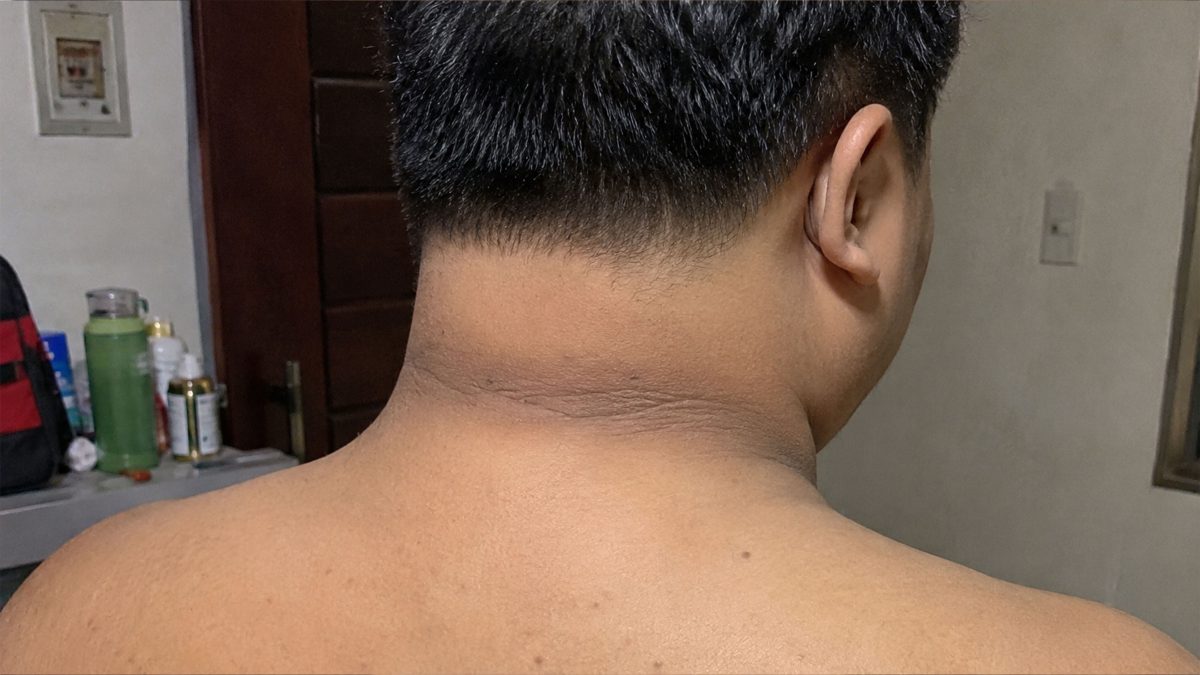
Dark neck causes are often misunderstood, especially when people immediately associate the condition with poor hygiene. For many individuals, the discoloration first becomes noticeable in photos, bright lighting, or everyday interactions, eventually turning into a quiet insecurity that affects confidence and self-image.
Not the carefully posed selfies with filters and soft lighting, but the random pictures taken by friends during birthdays, beach trips, or family gatherings. Someone zooms in to check the photo, then suddenly notices the darker skin around the neck standing out against the rest of the body. After that, it becomes difficult to unsee.
A few begin scrubbing harder in the shower. Others switch soaps almost weekly, hoping the discoloration disappears before anyone points it out. Some quietly avoid tying their hair up because they do not want the back of their neck showing in public. It may sound minor to people who have never dealt with it, but body insecurities rarely stay small once embarrassment becomes attached to them.
For many people, the embarrassment becomes worse when others immediately assume the discoloration comes from being “dirty,” even when hygiene is not the real issue.
In reality, the neck goes through constant stress every day. Sweat collects there easily, especially in humid weather. Shirt collars rub against the skin for hours. Necklaces, bags, helmets, and even repeated friction from wiping sweat can slowly irritate the area over time.
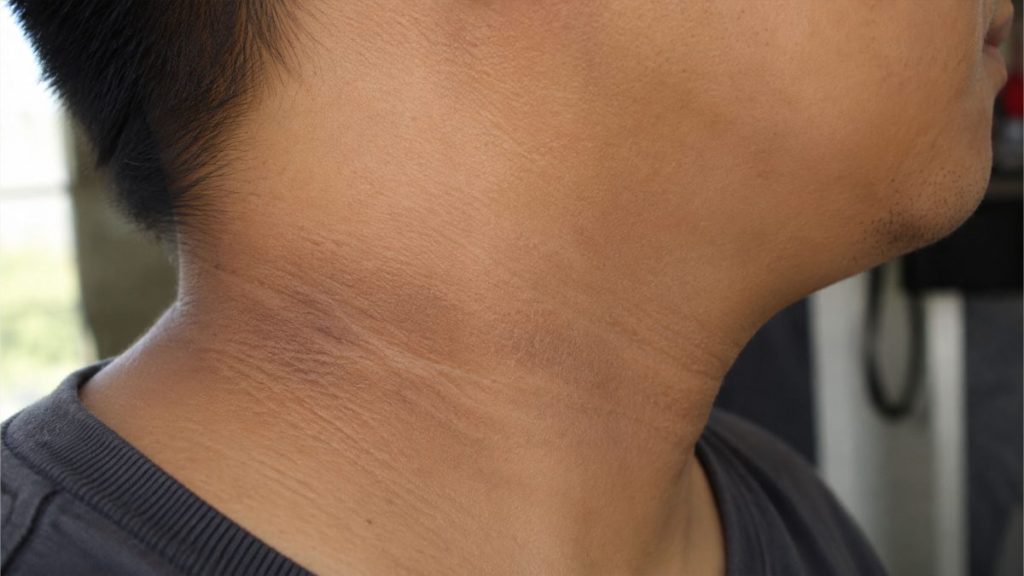
In countries with hot climates like the Philippines, the neck is almost always exposed to heat and moisture. Students commuting in thick uniforms under the sun, office workers spending hours in collared clothing, motorcycle riders wearing jackets despite the humidity — all of these small routines can affect the skin more than people realize.
Some also make the problem worse without intending to.
There are people who aggressively scrub the neck with whitening soaps, rough towels, exfoliating gloves, or DIY mixtures they found online. At first, the skin may temporarily look lighter because it becomes irritated and dry. But repeated friction can gradually thicken and darken the area even more. The cycle becomes frustrating: the darker the skin appears, the harsher the treatment becomes.
Weight changes can also contribute. When skin folds deepen, friction and trapped moisture become more common. During stressful periods when sleep schedules fall apart and eating habits become inconsistent, some notice skin changes appearing alongside fatigue and breakouts. Others first become aware of the discoloration under bright department store lighting while trying on clothes, realizing the neck no longer matches the tone of the chest or jawline.
Over time, even a small insecurity can quietly affect the way someone moves through everyday situations.
Someone uncomfortable about their neck may constantly adjust their posture during conversations, avoid close-up photos, or feel anxious during haircuts and salon visits where bright mirrors expose every detail. Small insecurities become exhausting when they follow a person into ordinary moments.
There are also cases where dark neck skin may point to something happening internally rather than externally. One condition associated with darker, velvety patches around the neck is acanthosis nigricans, which is sometimes linked to insulin resistance, hormonal imbalances, or metabolic issues connected to blood sugar regulation. For some individuals, the skin changes appear long before they realize their body may already be struggling in other ways.
For some people, the issue goes beyond appearance, which is why treating it like a simple beauty problem can sometimes miss the bigger picture.
Online discussions about dark necks often become oversimplified. Social media feeds are filled with “before and after” videos promising instant whitening results in just days. Many of these clips focus entirely on appearance while ignoring the reason the discoloration may have developed in the first place. People end up layering strong products on already sensitive skin because they feel pressured to fix the issue quickly.
The pressure itself says a lot about modern beauty culture.
Physical “flaws” are now constantly magnified by high-definition cameras, beauty filters, and social media trends that reward polished appearances. A small patch of uneven skin that might have gone unnoticed years ago can suddenly feel huge once it appears on a phone screen beside edited images online. The insecurity becomes less about health and more about feeling visually acceptable all the time.
But bodies do not always behave according to beauty standards.

Skin reacts to stress, hormones, climate, friction, medications, genetics, and daily routines in ways that are not always controllable. Sometimes a dark neck is simply irritation from years of heat and rubbing. Sometimes it may be connected to weight changes or hormonal shifts. In other cases, it can serve as an early sign that the body needs closer medical attention rather than harsher skincare products.
Consistent cleansing, breathable clothing, proper moisturization, reducing unnecessary friction, and paying attention to overall health can help more than aggressive scrubbing routines. And when the skin suddenly becomes darker, thicker, itchy, or spreads rapidly, professional medical advice may be more useful than chasing another viral remedy online.
What makes this topic meaningful is not just the skin condition itself, but the way people instantly attach judgment to visible body changes. Darkened skin around the neck is still unfairly associated with laziness or poor hygiene in many social situations, even though many people dealing with it are already trying everything they can to manage it quietly.
Not every physical change is something to be ashamed of. Sometimes the body is responding to exhaustion, irritation, hormonal shifts, or internal imbalance long before words can explain it. And sometimes the most important step is not finding the fastest whitening solution, but learning to pay attention to what the body may already be trying to say.






 Facebook
 Twitter