

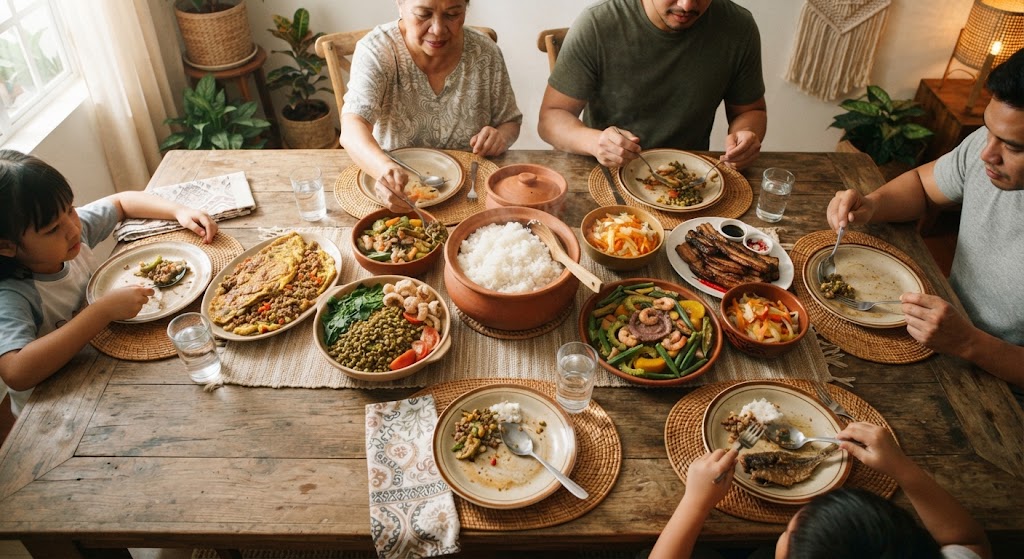
Finding affordable filipino meals for a family of four without stretching household finances can feel like a daily balancing act. With fluctuating market prices, smart grocery shopping and meal planning have become essential skills for every Filipino household. According to consumption and expenditure insights published by the Philippine Statistics Authority (PSA), smart budgeting on food staples allows families to allocate resources toward other vital household needs while still enjoying wholesome local dishes.
To help you navigate your weekly menu planning, this guide features seven hearty, traditional Filipino recipes designed to feed a family of four for under 500 pesos total per meal. Grounded in practical kitchen experience, local market realities, and dietary guidelines from the Department of Science and Technology – Food and Nutrition Research Institute (DOST-FNRI), these meals combine great flavor with genuine savings.
1. Tortang Talong with Giniling (Eggplant Omelet with Minced Meat)
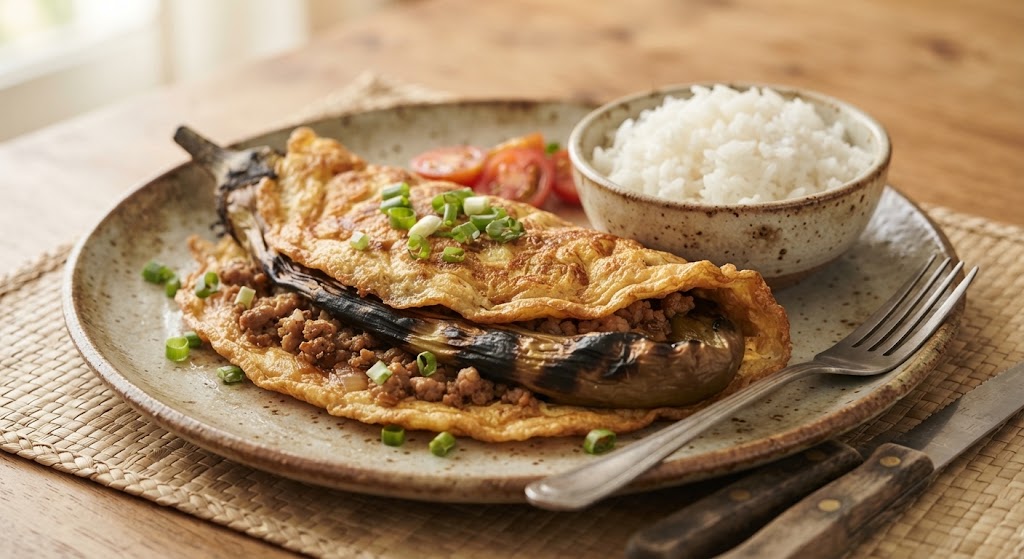
Tortang talong is a classic comfort food in many Filipino homes. By adding a small portion of pork or chicken mince (giniling), you elevate a simple vegetable dish into a protein-packed main course that satisfies hearty appetites.
- Estimated Cost: ₱220 – ₱250
- Market Breakdown:
- 4 pieces large Chinese eggplant (talong): ₱60
- 1/4 kilo ground pork (giniling): ₱100
- 3 pieces eggs: ₱30
- Garlic, onions, salt, pepper, and cooking oil: ₱30
- Cooking & E-E-A-T Tips: Char the eggplants directly over an open flame or toaster until the skin is fully blackened and smoky. This traditional method infuses the flesh with an authentic charred aroma. Peel the skin carefully while keeping the stem intact, flatten with a fork, dip in beaten seasoned egg mixed with cooked sautéed giniling, and pan-fry until golden brown. For nutritional validation, studies by the DOST-FNRI Food Composition Tables highlight that eggplants are rich in dietary fiber and antioxidants, making this budget meal wholesome for growing children.
2. Ginisang Munggo with Crispy Dilis (Sauteed Mung Beans with Anchovies)
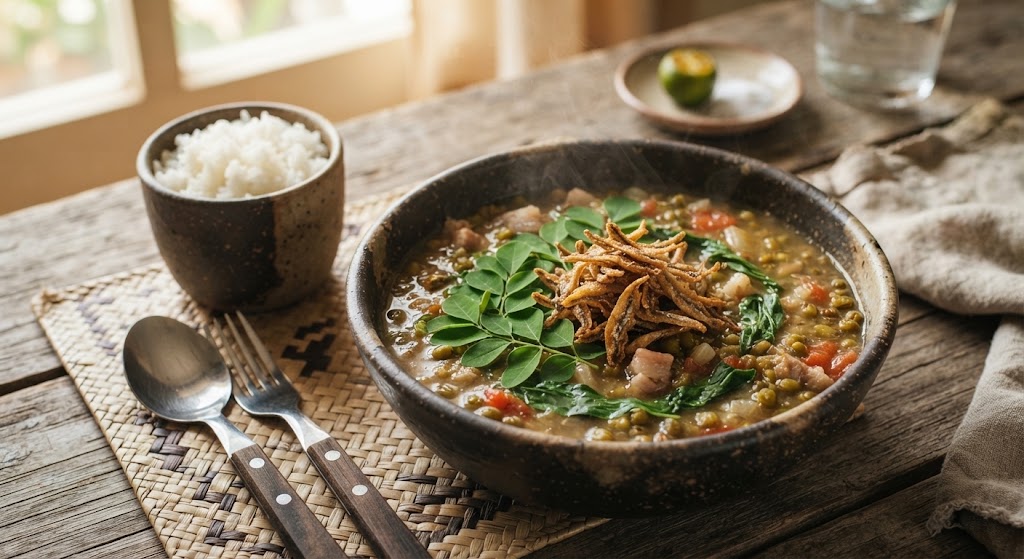
Traditionally served on Fridays or rainy afternoons, ginisang munggo is a powerhouse of plant-based protein and iron. Pairing it with crunchy dried anchovies (dilis) adds a savory crunch that balances the rich, thick texture of the stewed beans.
- Estimated Cost: ₱180 – ₱210
- Market Breakdown:
- 1 cup raw mung beans (munggo): ₱50
- 1 bundle fresh malunggay leaves or ampalaya leaves: ₱20
- 1 small block fried tofu or 1/4 cup small dried dilis: ₱40
- Tomatoes, onions, garlic, and patis (fish sauce): ₱30
- Pork bits or chicharon crumbs for flavoring: ₱50
- Cooking & E-E-A-T Tips: Soak the mung beans in water for at least two hours before boiling to cut down cooking time and achieve a naturally creamy consistency without needing excess oil. According to dietary guidelines outlined by the National Nutrition Council (NNC), incorporating leafy greens like malunggay into legume stews significantly boosts iron absorption and micronutrient intake for the family.
3. Ginisang Sayote with Chicken Strips (Sauteed Chayote Squash)
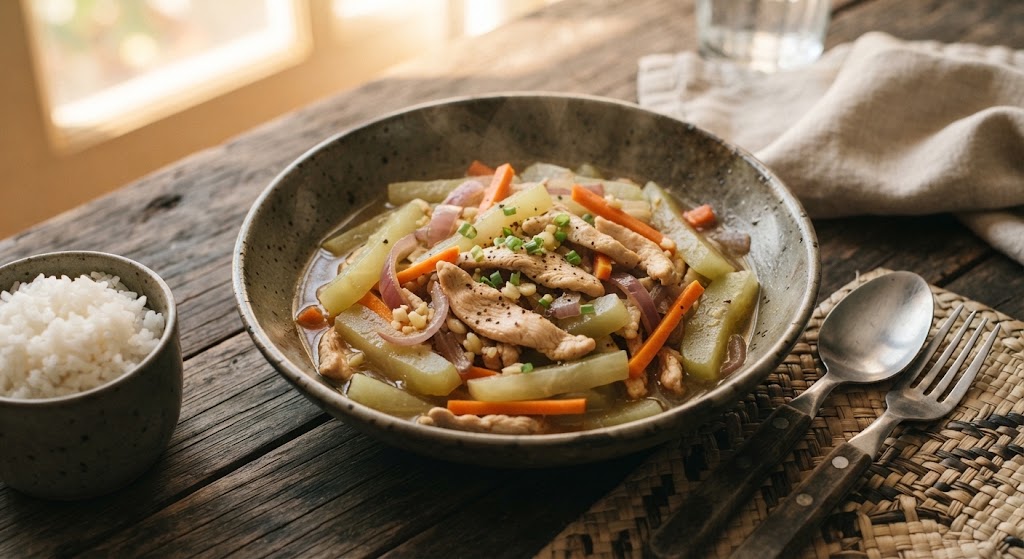
Chayote squash (sayote) is one of the most budget-friendly vegetables available in local wet markets. When sautéed with garlic, onions, tomatoes, and tender chicken strips, it absorbs savory flavors while maintaining a pleasant, crisp-tender bite.
- Estimated Cost: ₱200 – ₱230
- Market Breakdown:
- 3 medium-sized sayote (peeled and julienned): ₱60
- 1/4 kilo chicken breast fillet (sliced thin): ₱110
- Carrots or bell pepper for color: ₱30
- Garlic, onion, soy sauce, and broth cube: ₱20
- Cooking & E-E-A-T Tips: Avoid overcooking the sayote so it retains its natural crunch. Sauté the chicken strips first until lightly browned, remove them, and then sauté the aromatics and sayote before returning the chicken to the pan. Food safety insights from the Department of Health (DOH) emphasize proper handling and thorough cooking of poultry products to ensure family health and food safety during meal preparation.
4. Sizzling Tofu Sisig (Vegetarian-Friendly Pork Alternative)
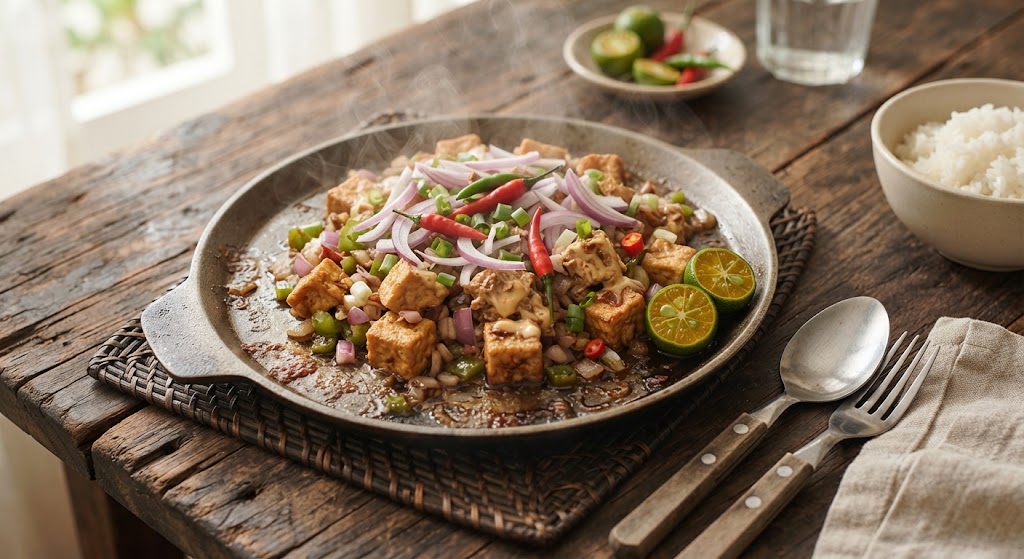
For families looking to cut down on red meat consumption without sacrificing bold, savory flavors, tofu sisig is a phenomenal alternative. Tossed with calamansi, onions, and chili peppers, it mimics the famous Pampango bar snack while remaining exceptionally light on the wallet.
- Estimated Cost: ₱160 – ₱190
- Market Breakdown:
- 4 blocks firm tofu: ₱60
- 1 small can liver spread or mayonnaise: ₱35
- Red onions and siling labuyo (bird’s eye chilies): ₱30
- Calamansi and soy sauce: ₱25
- Cooking oil for frying: ₱30
- Cooking & E-E-A-T Tips: Press the excess moisture out of the tofu blocks using paper towels before cubing and frying them until crispy on the outside. This ensures the tofu cubes hold their shape when tossed in the rich, tangy soy-calamansi sauce. Culinary research featured by the Food and Agriculture Organization (FAO) underscores the importance of plant-based proteins like soy in sustainable, cost-effective global nutrition strategies.
5. Pinakbet Tagalog with Pork Belly Bits
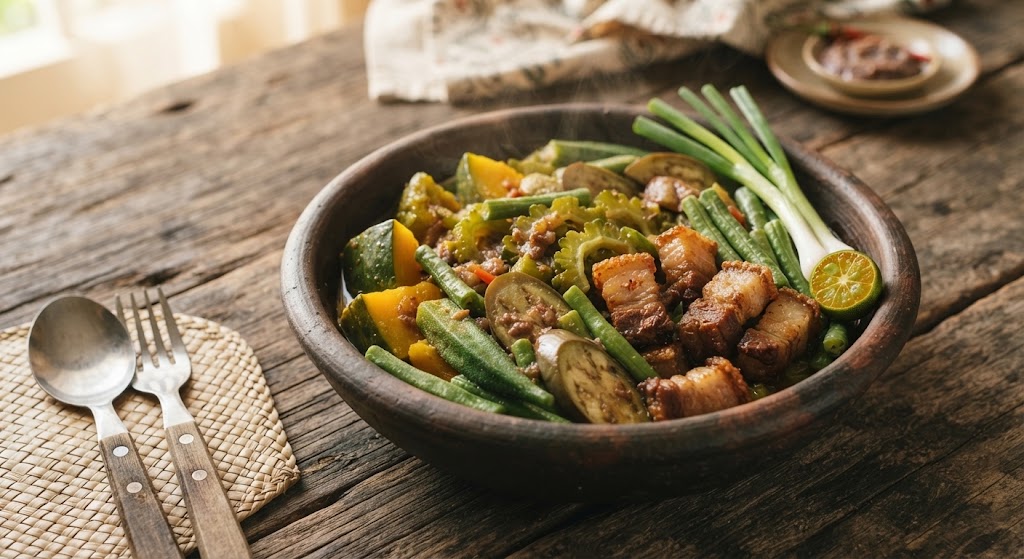
A quintessential Ilocano-inspired dish embraced nationwide, pinakbet combines indigenous vegetables like squash, eggplant, okra, string beans, and bitter melon (ampalaya) simmered in savory shrimp paste (bagoong alamang).
- Estimated Cost: ₱240 – ₱280
- Market Breakdown:
- Mixed pinakbet vegetables bundle (squash, okra, eggplant, string beans, ampalaya): ₱100
- 150 grams pork belly (liempo diced): ₱90
- 3 tablespoons bagoong alamang (shrimp paste): ₱30
- Garlic, onions, tomatoes, and water: ₱30
- Cooking & E-E-A-T Tips: Render the fat from the diced pork belly first to build a rich flavor base before sautéing your aromatics and bagoong. Layer the vegetables according to cooking time—harder squash and ampalaya go in first, followed quickly by tender okra and string beans. According to agricultural reports by the Department of Agriculture (DA), purchasing seasonal local vegetables directly from community markets guarantees maximum freshness and supports regional farmers.
6. Arroz Caldo with Chicken and Boiled Egg
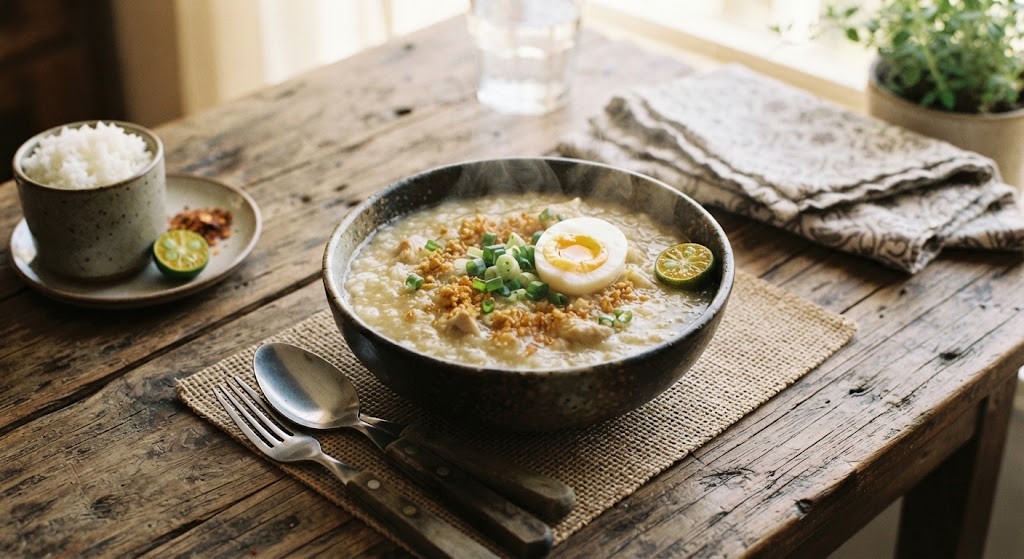
Comforting, warm, and deeply satisfying, chicken arroz caldo is a staple rice porridge infused with fresh ginger, garlic, and patis. It stretches a small amount of chicken meat into a filling, multi-bowl meal ideal for family dinners.
- Estimated Cost: ₱190 – ₱220
- Market Breakdown:
- 2 cups regular white rice: ₱30
- 1/4 kilo chicken pieces (wings or neck/breast scraps): ₱90
- Fresh ginger (generous amount julienned): ₱20
- 4 pieces chicken eggs (boiled): ₱30
- Fish sauce, toasted garlic bits, and spring onions: ₱40
- Cooking & E-E-A-T Tips: Toast the raw rice grains in rendered garlic and ginger oil before adding boiling water or broth. This infuses the rice with deep aromatic flavors and prevents it from turning mushy. Nutritional summaries from the National Institutes of Health (NIH) note that ginger contains powerful bioactive compounds that aid digestion and provide soothing anti-inflammatory benefits.
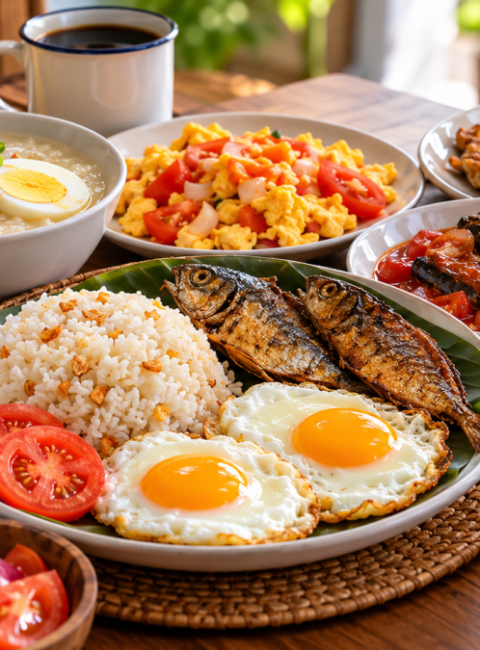
7. Sarciadong Isda (Fish in Rich Tomato and Egg Sauce)
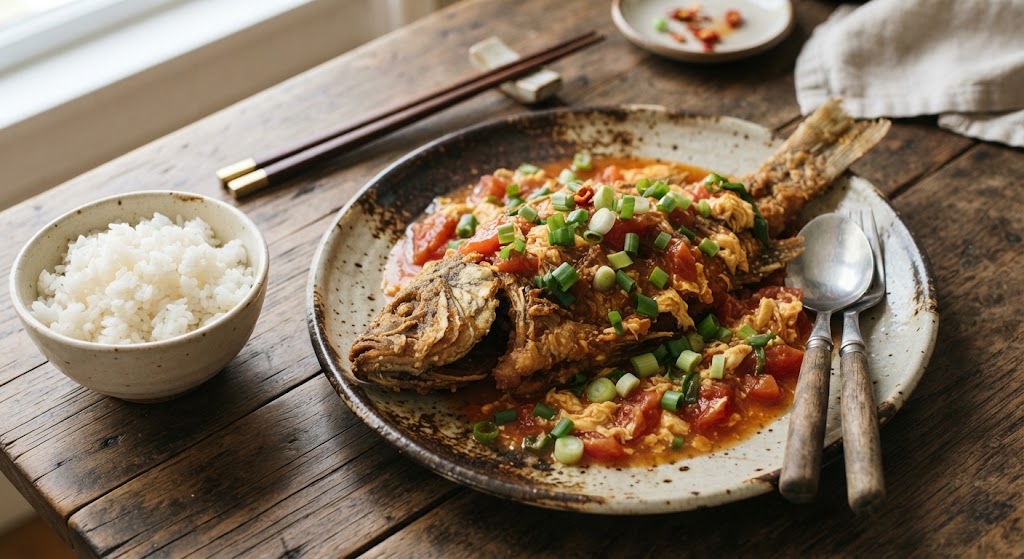
Sarciadong isda is a brilliant way to stretch leftover or budget-friendly fried fish into a completely new, moist dish. The rich tomato and beaten egg sauce coats the fish, creating a flavorful gravy that pairs exceptionally well with steaming white rice.
- Estimated Cost: ₱220 – ₱260
- Market Breakdown:
- 4 medium pieces Tilapia or Galunggong (Round Scad): ₱140
- 3 ripe tomatoes (chopped): ₱30
- 2 pieces eggs (beaten): ₱20
- Onions, garlic, salt, and pepper: ₱20
- Cooking oil: ₱30
- Cooking & E-E-A-T Tips: Fry the fish ahead of time until crisp, then set aside. In a separate pan, sauté onions, garlic, and soft ripe tomatoes until completely mashed down to form a thick base. Pour in beaten eggs right at the end and stir gently to create a velvety egg-and-tomato ribbons enveloping the fish. Data from the Bureau of Fisheries and Aquatic Resources (BFAR) emphasizes that locally sourced fish like tilapia and galunggong provide vital omega-3 fatty acids and high-quality protein essential for balanced family nutrition.
Summary Checklist for Smart Household Budgeting
- Plan Weekly Menus: Buying ingredients in bulk based on a fixed 7-day schedule minimizes impulse buys at the supermarket.
- Prioritize Wet Markets: Visiting local public markets (palengke) early in the morning guarantees fresher produce at lower price points compared to commercial grocery stores.
- Embrace Seasonality: Cooking with in-season vegetables ensures your family enjoys maximum nutritional value while keeping expenses well below your daily targets.



 Facebook
 Twitter