
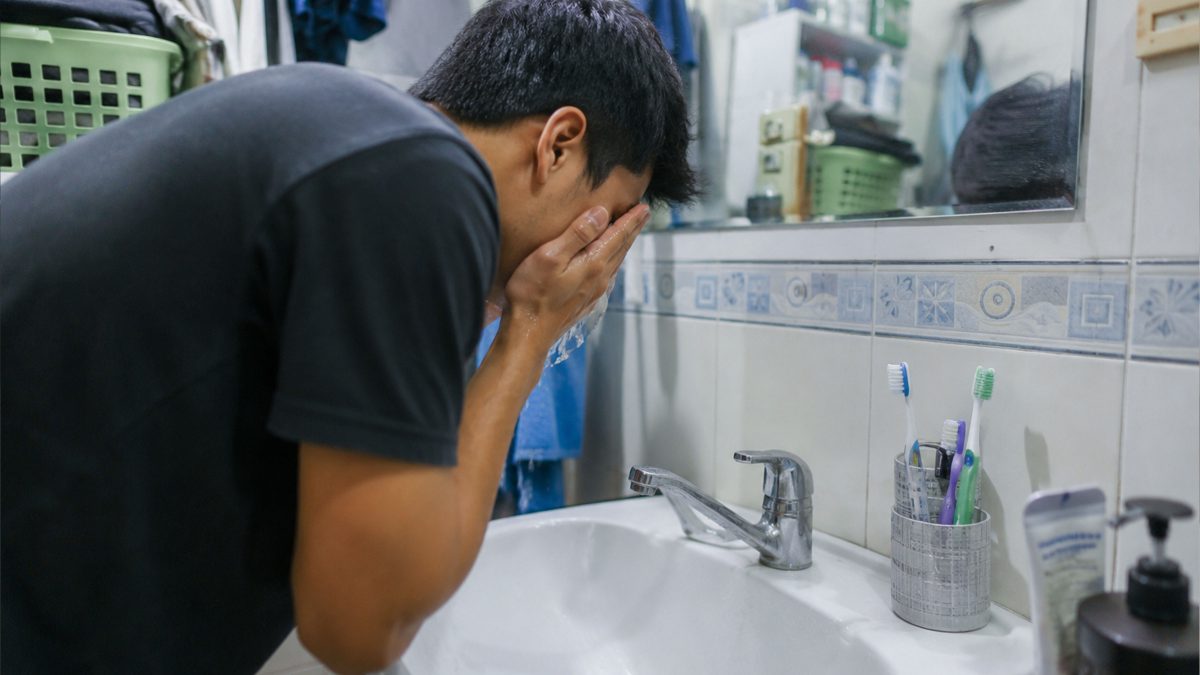
Everyday hygiene mistakes are more common than many people realize, especially during busy routines and humid days in the Philippines. What often feels clean on the surface—like reusing towels, keeping old toothbrushes, or forgetting to sanitize everyday items—can quietly affect personal comfort, confidence, and even overall health over time.
I stepped out of the shower one humid Manila morning, feeling refreshed, only to catch a whiff of something off when I reached for my towel. It was the same one I’d used the night before, and the night before that. In the rush of beating traffic and squeezing in breakfast, I hadn’t thought twice. That small moment stuck with me. How many of our daily “clean” habits are actually quietly undermining us?
In a place like the Philippines, where the heat and humidity turn every commute into a sweat session and every home feels like a shared ecosystem of family, helpers, and close quarters, hygiene isn’t just about looking presentable. It shapes how we feel in our own skin, how others perceive us, and sometimes even how resilient we stay against the next bug making the rounds. Yet many of us carry around small, invisible errors that compound over time—not because we’re lazy, but because no one ever told us the details matter.
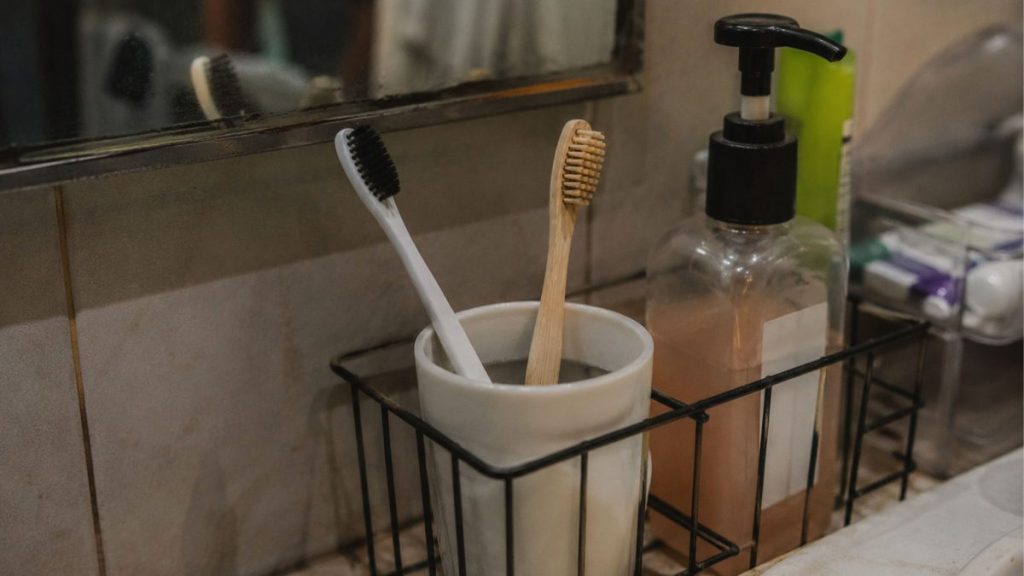
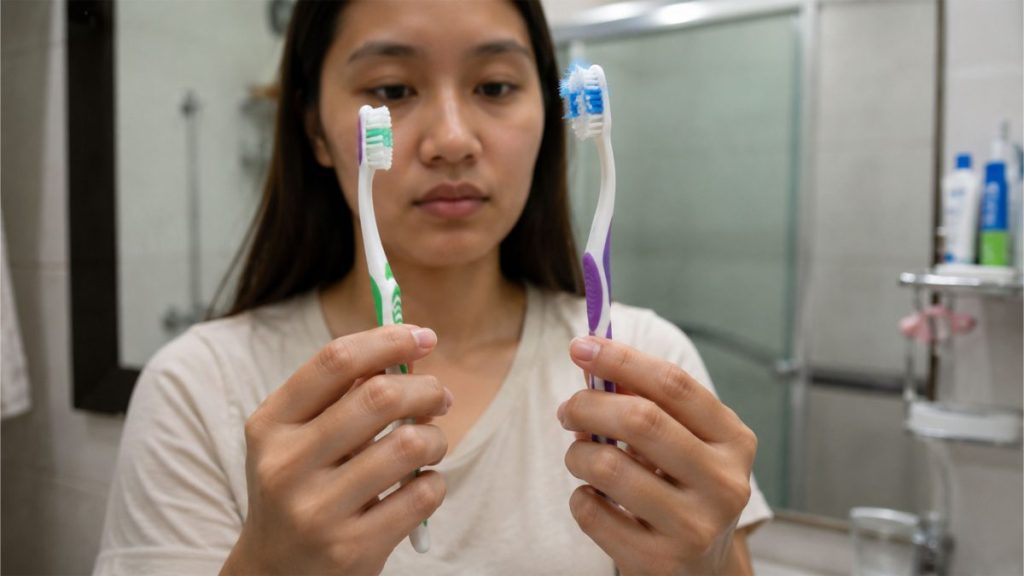
Take the toothbrush, for instance. You brush faithfully twice a day, maybe even after that late-night sisig run. But when was the last time you replaced it? Those bristles fray and harbor bacteria far quicker than most realize, especially in our damp bathrooms. After three months, it’s less a cleaning tool and more a gentle recycler of yesterday’s germs. I’ve known friends who swear by their routines yet wonder why their gums stay irritated. The fix feels almost too simple until you experience the difference: a fresh brush, proper technique that reaches the gum line, and suddenly your mouth feels cleaner for longer.
Even everyday items we barely think about can quietly collect germs. Reusing damp towels, forgetting to sanitize daily objects, or neglecting proper handwashing habits can all affect personal cleanliness over time. Experts also say maintaining good personal hygiene can influence confidence, comfort, and even emotional well-being. In warm climates especially, paying closer attention to small hygiene habits can make a bigger difference than many people expect.
Then there’s the phone—our constant companion that travels from jeepney seats to dinner tables to bedside. We sanitize hands after using the restroom but scroll right after without a second thought. In one informal check I did with colleagues, most phones tested higher in bacterial load than their toilet seats. It’s not about becoming obsessive. It’s recognizing that in a culture where we pass phones around to show photos or let kids borrow them for games, we’re moving microbes more than we admit. A quick wipe with an alcohol solution at the end of the day changes the equation without adding much effort.
Laundry habits reveal another layer. Many households wash clothes regularly, yet bedsheets and pillowcases sometimes lag behind. In tropical weather, night sweat mixes with skin cells and creates an environment that dust mites love. You wake up with unexplained sniffles or skin itchiness and blame the weather or pollution. Changing sheets weekly, or every few days during especially sticky months, isn’t a luxury habit—it’s quiet maintenance for better sleep and fewer allergy-like symptoms. The same goes for towels. Hanging the same one for days turns it into a moist breeding ground. Using a fresh towel daily, or at least letting it dry completely between uses in a well-ventilated spot, prevents that musty smell we sometimes normalize.
Small Hygiene Habits People Often Overlook
Many hygiene problems do not come from major neglect, but from small routines people rarely question in everyday life.
- Reusing towels for too many days without washing them
- Keeping old toothbrushes long after the bristles wear out
- Leaving toothbrushes exposed in humid bathrooms
- Forgetting to clean frequently touched items like phones and earphones
- Washing hands too quickly or without soap
- Using the same pillowcases and bedsheets for extended periods
- Neglecting reusable water bottles and food containers
- Sharing personal hygiene items inside households
- Ignoring bathroom ventilation and moisture buildup
- Touching the face repeatedly throughout the day without realizing it
Showering itself carries subtle pitfalls. Long, scalding showers feel luxurious after a stressful day, but they strip natural oils and leave skin vulnerable, especially in air-conditioned offices that dry us out further. Many of us also overlook the feet—properly drying between toes after washing can spare us from the persistent itch of athlete’s foot that thrives in our climate. And while we’re on the topic of water, how we wash our hands still catches people out. A quick rinse under the tap after handling money or riding the MRT doesn’t cut it. Twenty seconds, including the backs of hands and under nails, makes the real difference when viruses start circulating in June or December.
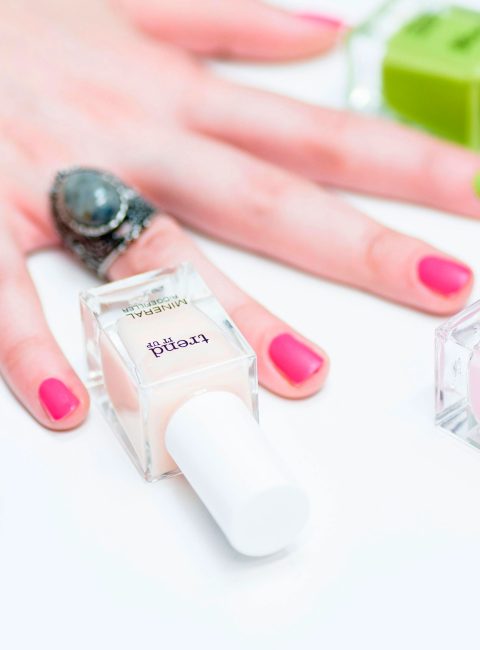
Makeup enthusiasts and gym-goers often share another blind spot: cleaning tools. That beauty blender or resistance band collects residue and bacteria faster than we imagine. One friend admitted her persistent breakouts eased only after she started washing her brushes weekly and replacing sponges more often. It wasn’t a dramatic skincare overhaul—just closing the loop on application.
Most people do not notice these habits immediately because the effects build slowly over time. A reused towel, an old toothbrush, or unwashed makeup tools may not seem serious in a single day, but repeated exposure can affect skin condition, body odor, and overall comfort more than people expect. In warm and humid environments like the Philippines, even small cleanliness habits can make a noticeable difference in how people feel throughout the day.
The deeper truth is that good hygiene is less about perfection and more about awareness and kindness toward our future selves. It’s easy to dismiss these details when life feels overwhelming—deadlines, family obligations, the constant pull of notifications. But paying gentle attention returns something valuable: a body that feels more comfortable in its environment, fewer unexplained minor ailments, and the quiet confidence that comes from knowing you’re not unintentionally working against yourself.
Next time you catch yourself in a familiar routine, pause for a second. Is this habit truly serving me, or have I been doing it this way because that’s how it’s always been done? Small shifts compound. In the end, the most effective hygiene isn’t the one that makes the most noise on social media. It’s the steady, thoughtful kind that lets you move through your days feeling lighter, healthier, and more yourself.


 Facebook
 Twitter