
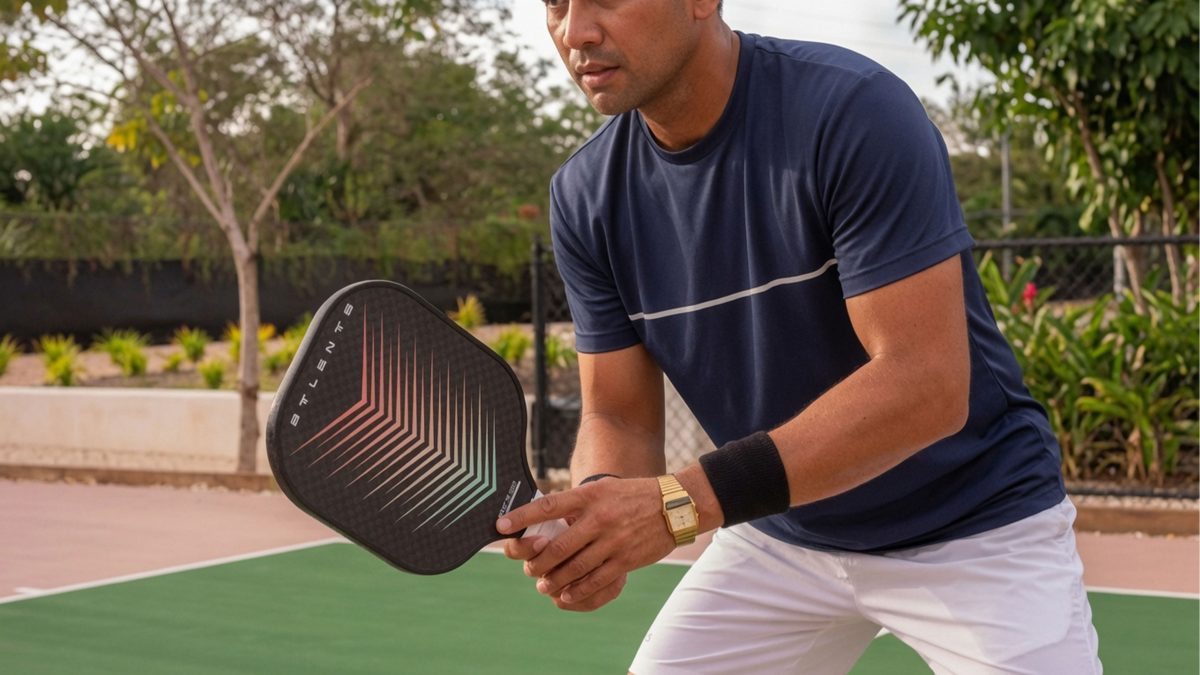
Realizing the full pickleball lifestyle benefits often begins with a physical setback and a search for alternative conditioning. When a severe meniscus tear on a concrete running trail forced an orthopedic specialist to issue a grim diagnostic ultimatum—find a low-impact exercise routine or face chronic early arthritis—traditional options like stationary cycling or isolated gym machine training felt utterly uninspiring. However, transitioning to court sports offered a rare intersection of cardiovascular health and low-impact joint longevity that completely changed how I viewed recovery.
I’ll admit I was highly skeptical when someone first handed me a perforated plastic ball and a composite paddle during a weekend trip. At the time, I viewed pickleball as a casual backyard pastime reserved exclusively for retirement communities. But within fifteen minutes of stepping onto the court, my heart rate was firmly in Zone 2, my competitive fire was entirely re-ignited, and my joints felt completely pain-free.
Today, pickleball is no longer just a booming sport; it has evolved into a comprehensive wellness framework. For individuals looking to balance high-yield physical conditioning with mental longevity, analyzing the true pickleball lifestyle benefits reveals a masterclass in modern healthy living. Here is an experiential, data-backed breakdown of how adopting this routine can systematically upgrade your daily health.
1. The Biomechanics of “Active Play”: High-Yield Fitness Without the Burnout
For decades, mainstream fitness culture conditioned us to believe that a workout only “counts” if it leaves you completely exhausted or physically broken. High-intensity interval training (HIIT) and competitive road races certainly deliver cardiovascular benefits, but they often come at the ultimate cost of high systemic inflammation, elevated cortisol levels, and severe micro-trauma to your joints.
Pickleball completely reframes exercise through the psychological lens of “active play”—a concept sports scientists heavily praise for its unparalleled long-term consistency rates. Because the game is fundamentally fun, your brain shifts its focus away from the grueling passage of time and anchors itself entirely in the joy of the rally.
The physiological metrics of a standard two-hour session are incredibly potent:
- Optimized Caloric Efficiency: According to tracking data collected across my personal court sessions, a standard one-hour singles match burns between 500 and 600 calories, while a highly strategic doubles match burns roughly 350 to 450 calories. This puts its energetic output on par with brisk rowing or lap swimming.
- The Zone 2 Metabolic Sweet Spot: Clinical insights from major health institutions show that players spend roughly 70% of their active court time in a moderate-to-vigorous aerobic state. For older adults, this consistent heart-pumping activity serves as an optimal way to improve blood pressure and support brain longevity, as highlighted in aging studies by Columbia University Irving Medical Center.
- Low-Impact Longevity Frameworks: Because a standard pickleball court measuring 20 by 44 feet is exactly one-fourth the size of a tennis court, the required movement pattern emphasizes rapid lateral quickness rather than long-distance sprinting. The mandatory underhand serve dramatically minimizes the rotator cuff tearing common in tennis, making it an exceptionally sustainable lifestyle practice well into your 60s, 70s, and beyond.
2. Tactical Mindfulness: Escaping the Digital Overload
The modern daily routine is a minefield of passive, fragmented stimuli. We spend our work hours toggling between chaotic corporate Slack channels, overflowing email inboxes, and dopamine-depleting social media algorithms. This constant state of split attention leaves the nervous system chronically fried.
Stepping onto a pickleball court serves as a highly effective form of “tactical mindfulness.” Because the ball travels at rapid speeds across a compressed distance, the game aggressively forces a state of absolute presence. You physically cannot worry about an upcoming work deadline or a stressful text message when you are actively defending a fast-paced volley at the non-volley zone line (affectionately known as “The Kitchen”).
From a neurological perspective, this fast-paced environmental calculation acts as a powerful cognitive sandbox:
- Neuroplasticity Stimulation: Reading the unpredictable spin of a ball, calculating paddle face angles in microseconds, and executing complex kitchen drops requires intense cerebellar engagement. This deep visual tracking sharpens hand-eye coordination and strengthens memory neural pathways.
- The Cortisol Reset: The intense, singular focus required during a rally acts as a form of active meditation. The immediate result is a drastic reduction in serum cortisol (stress hormones) coupled with a profound post-match surge of dopamine and endorphins.
3. The “Third Place” Solution: Dismantling the Loneliness Epidemic
While physical and mental conditioning are vital, the most critical component of any premium lifestyle strategy is emotional and social well-being. The medical world frequently emphasizes how critical these active community bonds are, explicitly noting that group-based activities like Harvard Health Publishing point to pickleball as an optimal environment for cognitive defense and socialization.
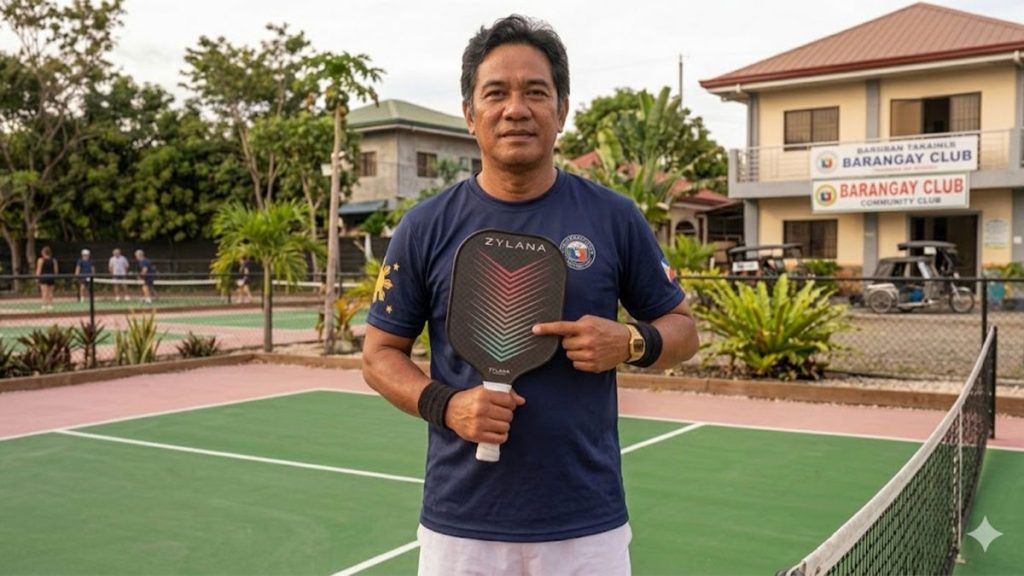
The structural environment of the game is deliberately engineered to foster spontaneous human interaction. Whether playing in highly organized city clubs or dropping into local neighborhood barangay courts for afternoon matches, the sport naturally strips away social barriers.
| Lifestyle Asset | Traditional Boutique Gyms | The Pickleball Ecosystem |
| Social Friction Level | High Isolation (Headphones on, zero interaction). | High Synergy (Forced rotation, direct partner chatting). |
| Learning Curve Barrier | High intimidation factor / complex technical mechanics. | Extremely low; fully playable within 20 minutes of instruction. |
| Cultural Demographic | Heavily segregated by age and specialized fitness levels. | Multi-generational; seamlessly bridges Gen Z to retirees. |
The true lifestyle magic happens during “Open Play” sessions. Unlike traditional sports where you must meticulously arrange a foursome in advance, pickleball’s paddle-stacking rotation system allows solo players to show up, drop their paddle into a queue, and immediately integrate into a welcoming community of strangers. It serves as the ultimate modern “Third Place”—that vital social anchor outside of your home and your workplace.

The Safe-Play Lifestyle Blueprint: Avoiding the Pitfalls
To successfully integrate pickleball into a high-end wellness routine without risking an unforced trip to the physical therapist, you must treat your body with a professional level of respect. Through my own trial, error, and consultation with sports physicians, here is the non-negotiable blueprint for court safety and performance:
Never Skip Kinetic Preparation
Because the sport demands sudden, explosive lateral shifts and deep lunging, entering a match cold is an absolute recipe for calf strains or Achilles tendon issues. Spend a mandatory seven to ten minutes performing a dynamic warm-up: focus on deep lateral lunges, active ankle circles, bodyweight squats, and arm swings to properly lubricate your joint capsules.
Invest in Surface-Specific Footwear
The single biggest mistake casual beginners make is wearing standard mesh running shoes to the court. Running shoes are engineered exclusively for forward, linear movement and feature thick, high-stack heels that create leverage for lateral ankle rolls. Invest immediately in dedicated court shoes to avoid injury. Specialized sports medicine teams like those at the Hospital for Special Surgery highlight that proper footwear and dynamic lateral stability are critical for preventing common court-related joint sprains and falls.
Understand Paddle Ergonomics
If you begin to feel a nagging ache along the outside of your forearm (commonly dubbed “pickleball elbow”), your gear is likely the culprit. Avoid ultra-cheap, heavy wooden paddles, which transmit harsh vibrational shock waves directly up your arm. Instead, opt for a modern composite or carbon fiber paddle with a weight profile between 7.7 and 8.2 ounces. Ensure your grip size is correct; a grip that is too small forces your hand to over-squeeze the paddle, creating unnecessary muscular tension.
Closing Thoughts: A Court for Life
Ultimately, the true value of the pickleball lifestyle isn’t reflected on a tournament scoreboard or a local club ladder. It is found in the rare, beautiful intersection of a sport that treats your body with genuine longevity in mind, keeps your cognitive faculties fiercely sharp, and wraps you in an instant, supportive community.
If your current wellness routine feels like an uninspiring chore, drop the weights, close the laptop, and head down to your local park. Your community is already waiting for you at the kitchen line.






 Facebook
 Twitter