
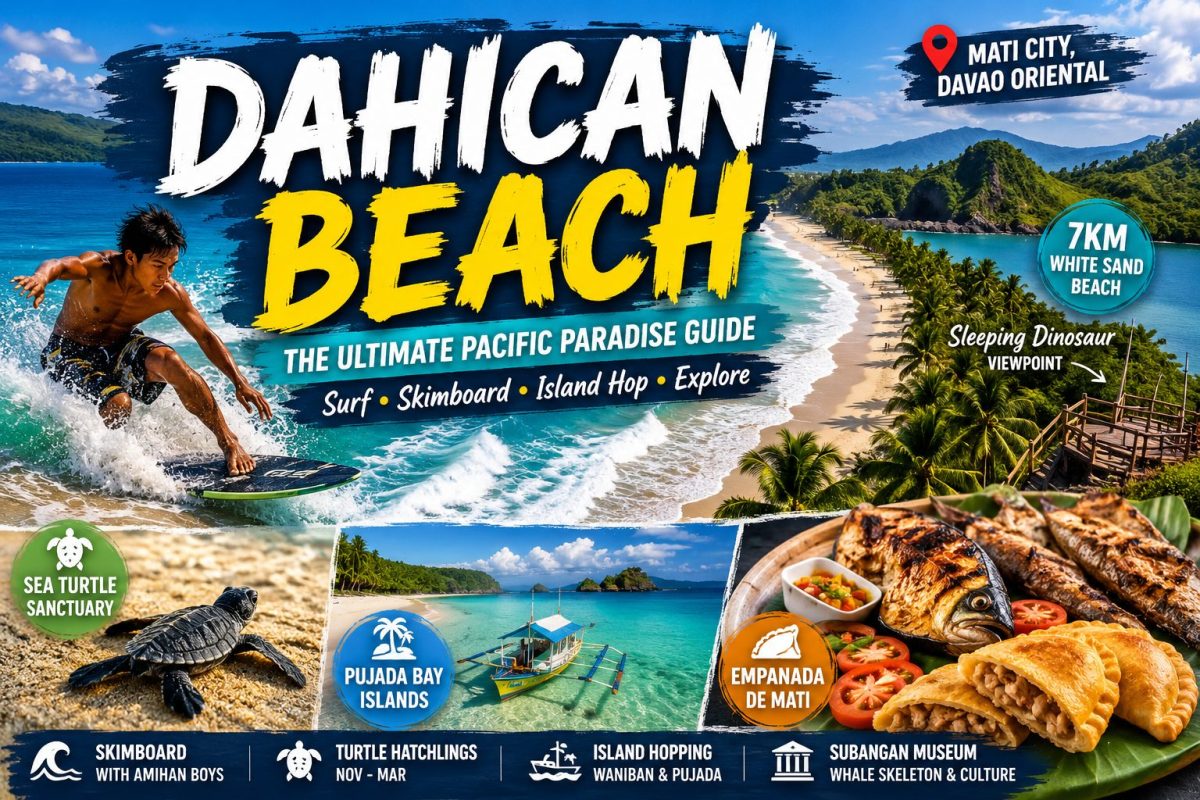
How to Get to Dahican Beach, Mati City, Davao Oriental
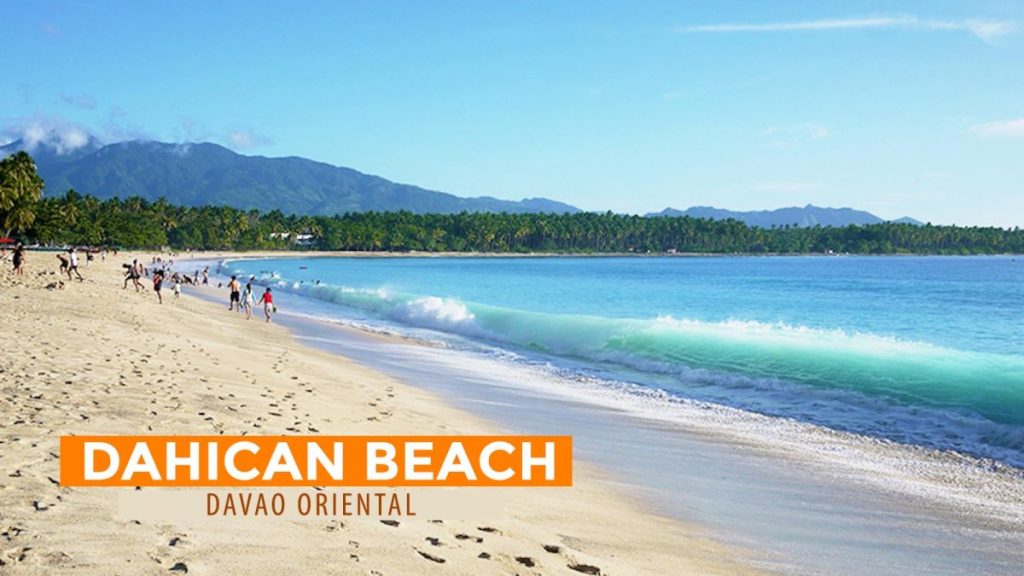
For the vast majority of travelers, the journey to Dahican Beach begins at Francisco Bangoy International Airport in Davao City, which receives multiple daily flights from Manila, Cebu, and other major Philippine hubs. From the airport, you have two primary options for the overland leg to Mati City: the fast and efficient public passenger van, or the slightly slower but equally affordable provincial bus. Either way, the road itself is half the adventure. The route from Davao to Mati carves through dramatic mountain passes, switchback curves overlooking deep-green valleys, and eventually opens up onto a series of breathtaking Pacific coastal vistas that will have you reaching for your phone long before you even touch the sand.
The fastest and most popular public option is the passenger van departing from the terminals at Gaisano Mall (G-Mall) or Victoria Plaza along J.P. Laurel Avenue in Davao City. Vans to Mati City begin filling up as early as 4:00 AM and depart as soon as every seat is taken—no fixed schedule, pure Filipino efficiency. The trip covers roughly 170 kilometers and takes between three and four hours depending on traffic conditions near Tagum City. For those who prefer a slightly longer but more relaxed ride, provincial buses operated by Bachelor Express and Mindanao Star depart from the Davao Overland Transport Terminal at Ecoland. Bus fare is comparably priced, though the journey may stretch to four or five hours as the driver makes scheduled stops at roadside communities along the way.
Once you step off at the Mati City bus and van terminal, the final stretch to Dahican Beach is handled by local tricycles or habal-habal motorcycle taxis. The ride takes approximately 15 to 20 minutes and delivers you directly to the beachfront. Budget around ₱100 to ₱200 per person for this last leg, though the fare may be slightly negotiable depending on the number of people in your group. If you are traveling with a large group and want to rent a single private vehicle for the entire Davao-to-Mati stretch, a chartered van can be arranged through local travel agencies or informal driver networks for approximately ₱3,500 to ₱4,500 for the full vehicle.
For travelers arriving by private vehicle, the route from Davao follows the Pan-Philippine Highway north to Tagum City, then turns right onto the Surigao-Davao Coastal Road heading southeast through Davao Oriental—past San Isidro and Lupon—before descending into Mati City. This road trip is genuinely memorable: as you crest the Badas Point highway just before entering the city, the bay below reveals the famous “Sleeping Dinosaur” island formation, a natural land mass in Pujada Bay that looks uncannily like a prehistoric reptile resting in the water. Every self-respecting Mati visitor stops at the roadside viewing deck here for photos before continuing on. Parking along the Dahican beachfront is available at most resort properties, typically included in the entrance fee.
Skimboarding with the Amihan Boys, Dahican Beach
If Dahican Beach has a single defining claim to fame beyond its raw natural beauty, it is this: this remote stretch of Pacific coastline is the birthplace of Filipino competitive skimboarding. The sport was not introduced here by outside instructors, corporate surf brands, or tourism development boards. It grew organically among the sons of local fishermen who spent their childhoods playing on these same shorebreak waves with improvised wooden boards, eventually refining their craft into something the international skimboarding community would come to recognize as genuinely world-class. The Amihan Boys, as they became collectively known, represent one of the most compelling sports origin stories in Philippine athletic history.
Dahican’s shorebreak is uniquely suited to skimboarding because of how the wave energy interacts with the steeply sloped sandbank directly at the water’s edge. Unlike surf breaks, which require paddling out past a reef or sandbar to catch a wave, skimboarding happens entirely in the shallows: you sprint down the sand, drop your board onto a thin film of retreating water, step on, and ride the momentum into the incoming wave before executing a floated turn back to shore. Dahican’s constant, powerful shorebreak delivers this wave interaction with remarkable consistency, which is exactly why locals had the raw material to develop elite technique without ever needing to travel abroad for training.
For visitors, skimboarding lessons are available directly on the beach and remain one of the most affordable activity experiences in the Philippines. A one-hour beginner lesson that includes board rental and a personal local instructor costs approximately ₱200 to ₱300. The instruction is entirely informal—your instructor will physically demonstrate the drop and run technique, hold your board steady during your first attempts, and shout encouragement over the roar of the surf. Most beginners find their footing (literally) within 20 to 30 minutes, and the sense of accomplishment when you finally catch your first proper wave ride is wildly disproportionate to the price paid. For more experienced skimboarders or those wanting extended sessions, full-day board rentals can be arranged for approximately ₱400 to ₱600.
The best time to skimboard at Dahican is during the amihan season (northeast monsoon, October through March), when consistent northeast winds generate the powerful, clean shorebreak that the sport depends on. During the habagat (southwest monsoon, June through September), the waves tend to be less predictable and sometimes choppy, though the beach is still rideable for intermediates and experienced practitioners. Mornings, particularly between 7:00 AM and 10:00 AM, offer the best combination of manageable tide and clean light conditions. Weekdays are noticeably quieter than weekends, which is worth factoring in if you want more personal attention from your instructor and less competition for wave turns. For those who cannot handle the heavy shorebreak personally, simply watching the Amihan Boys practice their advanced maneuvers is an entirely free and thoroughly entertaining spectacle.
Sea Turtle Sanctuary (Pawikan Conservation) at Dahican
Beyond its reputation as a wave-sport destination, Dahican Beach serves an ecological role of genuine national importance: it is one of the most active sea turtle nesting grounds on the eastern coast of Mindanao. Three species of critically endangered sea turtles—the Olive Ridley, the Green Sea Turtle, and the Hawksbill—regularly crawl ashore under the cover of darkness to lay their eggs in the soft, deep sand above the tideline. The reason they return here year after year is precisely the absence of commercial lighting and heavy development that afflicts most Philippine resort beaches: Dahican’s nights are dark, quiet, and undisturbed, which is exactly what a nesting mother turtle requires.
The local conservation initiative, commonly referred to as the Pawikan Sanctuary, is managed by community volunteers and supported by local government and environmental organizations. Their nightly work involves patrolling the full length of the beach to locate freshly laid clutches of eggs before poachers or natural predators can reach them. Located nests are carefully excavated, transferred into a secure community hatchery compound set back from the tideline, and incubated under monitored conditions until the hatchlings emerge—a process that typically takes 45 to 60 days depending on sand temperature. When the tiny turtles finally claw their way out of the nest, sanctuary volunteers organize guided release events that allow visitors to watch the hatchlings make their frantic, instinct-driven run toward the surf.
For travelers, visiting the sanctuary is one of the most emotionally resonant experiences Dahican has to offer. The primary nesting season runs from October through March, which coincides conveniently with the peak skimboarding season, making this period the absolute best window to visit Dahican if you want to combine active wave sports with wildlife conservation. To maximize your chances of witnessing either a nesting event or a hatchling release, coordinate directly with the sanctuary caretakers upon arrival—most resort staff can introduce you to the local contact or guide. Nighttime observation tours, if available, are conducted with minimal lighting to avoid disorienting nesting mothers, and visitors are asked to maintain strict silence during the process. The experience of watching a massive, ancient sea creature emerge from the black Pacific, drag herself up the sand, and deposit a clutch of eggs in absolute darkness is something that genuinely defies description.
Visiting the sanctuary during daytime hours is also possible and worthwhile: you can inspect the hatchery enclosures, learn about each turtle species from signage and community guides, and understand the ongoing challenges of conservation work in a community that historically relied on turtle eggs as a food source. There is no fixed entrance fee for visiting the sanctuary, though a voluntary donation of ₱50 to ₱200 per visitor goes directly toward sustaining the program. If you wish to participate in a guided hatchling release, check in at least 24 hours in advance as these events are scheduled around hatch timing that the sanctuary team monitors daily. Note that handling, touching, or attempting to redirect hatchlings during a release is strictly prohibited—these rules exist to protect the animals, and they are enforced.
Island Hopping in Pujada Bay: Waniban Island, Pujada Island & Beyond
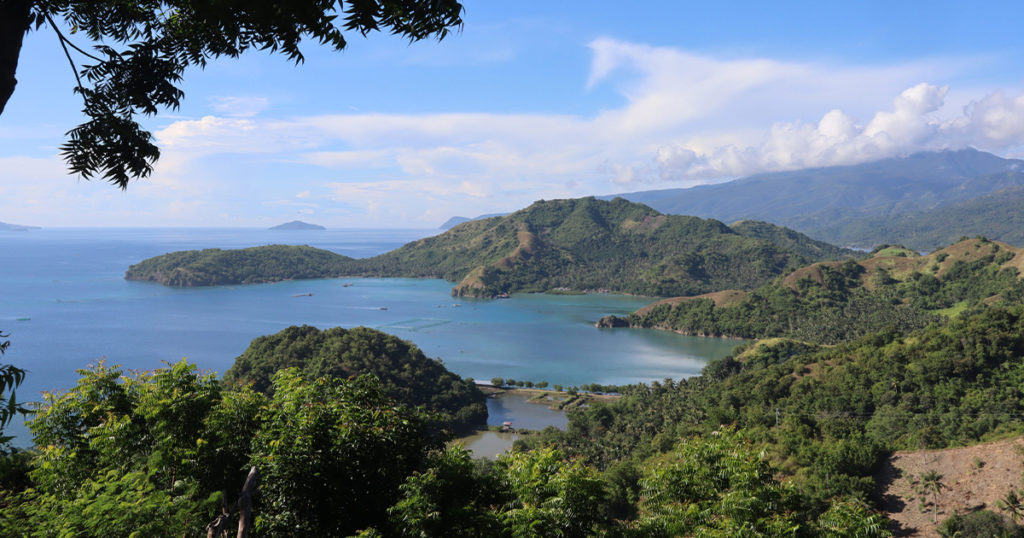
While Dahican Beach is defined by the raw power of Pacific waves, the adjacent Pujada Bay exists in a state of near-perfect contrast: calm, sheltered, and crystal-clear, offering a completely different aquatic environment that is ideal for snorkeling, swimming, and peaceful island exploration. Pujada Bay holds the prestigious distinction of being recognized among the Most Beautiful Bays in the World by the World Bays Organization, a designation it earned on the strength of its turquoise waters, dramatic surrounding hills, and the remarkable diversity of marine life within its protected boundaries. For any visitor who has spent a morning battling Dahican’s heavy shorebreak and needs their body to recover, a calm afternoon in Pujada Bay is the natural antidote.
The island-hopping circuit in Pujada Bay centers on two primary destinations. Waniban Island is a small, peaceful coral islet featuring shallow, crystal-clear water that rarely exceeds chest depth even 30 meters from shore, making it perfectly suited for non-swimmers and children. A narrow band of white sand lines the islet’s edge, shaded by coconut palms, and the snorkeling just off the main beach reveals healthy coral formations populated by reef fish. Many visitors pack a picnic lunch and simply spend several hours here swimming, snorkeling, and resting before moving on. Pujada Island itself is considerably larger—a sprawling 156-hectare landmass covered in dense tropical forest and surrounded by shifting sandbars that appear and disappear depending on the tide. The island is largely uninhabited, giving it a genuinely pristine, undiscovered quality that is increasingly rare in Philippine island hopping.
Chartering a motorized outrigger boat from the Mati City pier or the Dahican beach area is the standard way to access Pujada Bay’s islands. Boat charter rates for a half-day excursion covering Waniban and Pujada Islands typically run ₱1,500 to ₱2,500 per boat depending on boat size, fuel costs, and your negotiation skills. A single boat comfortably accommodates four to six passengers, which brings the per-person cost down to a very reasonable ₱300 to ₱600 when shared among a group. Full-day charters that also include stops at smaller rock formations, mangrove areas, and the base of the Sleeping Dinosaur formation are available for approximately ₱3,000 to ₱4,000 per boat. Always confirm that your charter rate includes snorkeling equipment, a packed lunch stop, and return transfer; some boatmen charge separately for these elements.
The ideal time for a Pujada Bay island-hopping excursion is the habagat season (April through September), when the southwest winds create the calmest bay conditions and the clearest underwater visibility. Early morning departures—leaving the pier no later than 7:30 AM—maximize your time at the islands before the midday sun becomes uncomfortably strong, and allow you to return to Dahican in the early afternoon for a late skimboarding or surfing session. The Sleeping Dinosaur land formation is best appreciated from the water—ask your boatman to swing past its base during the tour so you can photograph the distinctive silhouette from sea level, which provides a far more dramatic perspective than the roadside viewpoint above. For snorkeling enthusiasts, the waters around Waniban’s outer reef are consistently rated among the most accessible and fish-rich dive spots in Davao Oriental.
Where to Eat in Mati City: Local Food Guide for Dahican Travelers
Mati City’s food scene is one of the most underappreciated eating experiences in Mindanao. Because the city sits directly on an active Pacific fishing corridor, the seafood that reaches local restaurants and markets has often been caught within the previous 24 hours. Blue marlin, yellowfin tuna, grouper, squid, and a rotating selection of reef fish arrive daily at the city’s market, priced at a fraction of what you would pay for the same fish in Metro Manila or Cebu’s tourist restaurants. Eating well here is one of the easiest things in the world to do on a budget, and the city’s culinary identity is shaped by both its Mandaya indigenous heritage and the practical, unpretentious cooking traditions of a working fishing community.
The single most important culinary experience in Mati is the Empanada de Mati—a local pastry variation that has absolutely nothing in common with the orange, rice-flour empanadas of Ilocos Norte. Mati’s version features a rich, buttery, baked pastry shell filled with generously seasoned ground chicken or pork, shaped into a half-moon and finished with a light golden glaze. They are sold fresh and warm throughout the day at local bakeries and at Amy Kitchen, which is the most consistently recommended spot for these pastries among regular visitors. A single empanada costs between ₱25 and ₱40, and it is nearly impossible to eat just one. Buying a box of a dozen to share with travel companions, or to eat throughout the day as a portable beach snack, costs approximately ₱350 to ₱450.
For more substantial meals, the Dahican Surf Resort Restaurant serves as the primary social hub along the beachfront, offering a straightforward menu of Filipino comfort food: silog breakfast combinations (sinangag, egg, and your choice of protein), fresh seafood pancit, grilled fish, and cold drinks from a small refrigerator. Prices are honest and clearly posted—expect to pay ₱120 to ₱250 per full meal. In the evenings, the atmosphere loosens considerably as surfers, backpackers, and local guides gather for cold beer, barbecue, and extended conversation. The sunset view from the resort’s open-air dining area, looking directly out over the Pacific, is complimentary. For those willing to venture into Mati City proper, the Baywalk seafood grills that set up along the public waterfront each evening offer some of the best-value fresh fish and charcoal barbecue anywhere in Davao Oriental.
Travelers who want to eat extremely cheaply can rely on the informal turo-turo canteens (point-point carinderia) scattered throughout the area between Dahican and the city center. A full plate of rice, a main dish of either fish, chicken, or pork, and a serving of fresh vegetables from a typical turo-turo costs between ₱80 and ₱130. Fresh coconut vendors along the beach road sell young buko for ₱30 to ₱50 per piece, which doubles as both a refreshing drink and a mid-morning snack. The Mati City Public Market, located in the town proper, is the cheapest place to source fresh fruits, street food, snacks, and bottled water before heading out to the beach or islands. Buying two days’ worth of snacks and drinks from the market on arrival can meaningfully reduce your daily food budget without sacrificing the quality of your eating experience.
Where to Stay Near Dahican Beach: Accommodation Guide for Every Budget
One of the most refreshing aspects of planning a Dahican Beach trip is that the accommodation landscape genuinely serves every level of travel budget without the artificial pricing stratification that afflicts more commercialized beach destinations. At the most affordable end, tent camping directly on the beach—either using your own gear or renting a tent from resort operators—costs as little as ₱200 to ₱400 per night and provides the most immersive possible experience: you fall asleep to the sound of Pacific waves crashing a few dozen meters from your tent, wake up with direct sunrise access, and spend zero time commuting between your sleeping quarters and the beach. This option is particularly popular with backpackers, student groups, and anyone traveling on an extremely tight daily budget.
For those who prefer walls, a roof, and a fan, the Dahican Surf Resort remains the most iconic mid-range accommodation along the beachfront. Its rooms range from simple open-air bamboo surf huts to more enclosed fan rooms, with rates typically falling between ₱1,200 and ₱2,500 per night depending on the specific unit and time of year. The resort’s main advantage beyond price is atmosphere: it functions as the social center of Dahican life, connecting travelers with local surf instructors, boat operators, and fellow adventurers. The attached restaurant and small common areas create a genuine community feeling that solo travelers in particular tend to appreciate. Advance booking is strongly recommended during Holy Week (Semana Santa), Christmas break, and the peak November-to-January skimboarding season when rooms fill up days in advance.
At the upper end of the Dahican accommodation spectrum, several modern beachfront villas and boutique guesthouses have opened in recent years offering air-conditioned rooms, private bathrooms, and in some cases, swimming pools with direct sea views. These properties typically charge ₱3,500 to ₱6,000 per night for a standard double room, which remains excellent value in comparison with equivalent beachfront properties in Siargao, El Nido, or Boracay. For travelers who prioritize comfort and privacy but are mindful of costs, booking a mid-range property in Mati City proper—rather than directly on the beachfront—and using tricycles or habal-habals for the 15 to 20-minute daily commute to Dahican can reduce accommodation costs by 30 to 40 percent without meaningfully impacting the quality of your beach experience.
When choosing between properties, pay attention to the specific location along the seven-kilometer beach stretch: units closest to the main skimboarding area and the turtle sanctuary access point provide the most convenient access to Dahican’s primary activities. Properties toward the quieter northern end of the beach offer more solitude and are particularly suitable for couples or families who want peaceful mornings away from the wave-sports crowds. Regardless of which accommodation tier you choose, pack insect repellent—the coconut-palm-dense surroundings of Dahican create perfect conditions for evening mosquitoes, which even expensive properties cannot fully screen out given the open, breezy nature of most beachfront construction in the area.
💰 8 Practical Money-Saving Tips for Visiting Dahican Beach
Dahican Beach is already one of the most naturally affordable coastal destinations in the Philippines, but a few smart choices during the planning and travel stages can stretch your budget even further without sacrificing a single meaningful experience.
Weekend demand for accommodation and activities at Dahican pushes prices noticeably higher than midweek rates, especially during the October-to-March peak surf season. Arriving on a Monday or Tuesday and leaving before Saturday gives you the quietest beach conditions, the most attentive instructors, and frequently the ability to negotiate better rates on boat charters and lesson packages. Weekday van and bus services to Mati are also less crowded, meaning you are more likely to get a comfortable window seat for the scenic mountain drive.
Renting snorkeling masks and fins from boat operators or resort shops in Mati typically costs ₱150 to ₱300 per set per day, and the quality is often mediocre—cloudy lenses, cracked straps, and fins that do not fit properly. If island hopping and reef exploration are part of your Dahican plan, investing in a basic personal snorkeling set (available at Davao City sporting goods stores for ₱400 to ₱800) pays for itself after a single use and guarantees a far better underwater experience. Your own gear also allows you to snorkel off any beach or bay at any time without waiting for a rental shop to open.
The price differential between Mati City’s public market and beachside resort shops for basic items like bottled water, snacks, sunscreen, and fresh fruit is substantial—often 50 to 100 percent higher at resort-side stores. Spending 20 minutes at the market on your first morning in the city to load up on two or three days’ worth of drinks, snacks, and daily essentials will save you several hundred pesos over the course of your trip. This is especially important for sunscreen, which is shockingly expensive at Philippine beach resort convenience counters relative to pharmacies and market stalls.
The island-hopping boat charter fee in Pujada Bay is a flat rate per boat, not per person—which means the per-head cost drops dramatically when you split it among a full group of four to six passengers. The easiest way to organize this is to ask your accommodation’s staff the evening before if any other guests have the same plans for the following day. Most budget-oriented hostels and surf resorts actively facilitate these group arrangements because they know travelers appreciate the cost savings. Even joining forces with just two strangers transforms a ₱2,000 solo boat charter expense into a ₱500 shared cost.
There is no direct air connection to Mati City, so all travelers must transit through Davao. Some inexperienced trip planners add unnecessary cost by booking a Davao-to-Manila return flight with connecting segments, then paying premium rates for car hire on the ground. Simply booking the cheapest available Davao roundtrip flight and using the highly efficient public van service to Mati saves significant money without meaningfully extending your travel time. A Davao–Mati public van costs ₱400 to ₱450 each way; a private charter van for the same route costs ₱3,500 to ₱4,500 for the entire vehicle—use public transport unless you are a large group with heavy luggage.
The Subangan Davao Oriental Provincial Museum in Mati City is one of the most underrated free (or very low-cost entry) cultural attractions in Mindanao, housing a stunning 53-foot sperm whale skeleton alongside rich displays of Mandaya indigenous heritage. Slot this on your departure day—typically after checkout when you are killing time before your afternoon van back to Davao—rather than sacrificing prime beach or wave-riding hours. This schedule approach ensures you experience the cultural depth of Mati without any trade-off against Dahican’s primary outdoor activities, and it makes your final day in the area feel satisfyingly complete rather than just a logistical transit exercise.
The two peak domestic travel surges in the Philippines—Semana Santa (Holy Week, typically March or April) and the Christmas-to-New Year window (December 22 to January 5)—cause accommodation rates at Dahican to spike by 30 to 60 percent while availability drops to near-zero without advance booking. If your schedule allows, targeting the shoulder periods just outside these windows—early April after Holy Week ends, or the first two weeks of January after New Year—gives you near-peak beach conditions (good wave season) at significantly reduced prices with noticeably smaller crowds. October to November is particularly excellent: the amihan season begins, waves are building, turtle nesting is active, and the post-summer shoulder pricing still applies.
Water costs along the beachfront and on island-hopping tours are disproportionately expensive relative to city-center pricing—a standard 500ml bottle can run ₱30 to ₱50 in resort areas versus ₱10 to ₱15 at the public market. Carrying a large refillable bottle and filling it from sealed containers purchased in town before daily beach or island trips will cut your hydration costs significantly, especially during the hot peak sun hours. Similarly, packing basic first aid supplies (antiseptic, plasters, ibuprofen) from Davao avoids paying resort premium prices for items that you will almost certainly need given the physical nature of skimboarding, reef snorkeling, and extended sun exposure at Dahican.
❓ Frequently Asked Questions: Dahican Beach Travel Guide
🇵🇭 Dahican Beach Is Waiting — And It Never Disappoints
This guide has walked you through everything that makes Dahican Beach in Mati City, Davao Oriental one of the most compelling and underrated travel destinations in the Philippines: the practical transit breakdown from Davao City via public van and bus, the honest per-peso cost estimates for accommodation from tent camping to boutique villas, the skimboarding culture built by the Amihan Boys on a seven-kilometer stretch of raw Pacific shorebreak, the critically important sea turtle sanctuary where nesting mothers still find a dark and undisturbed coastline, the magnificent island-hopping experiences awaiting in UNESCO-recognized Pujada Bay, and the surprisingly rich local food culture centered on fresh Pacific seafood and the legendary Empanada de Mati.
What makes Dahican genuinely special in a country as blessed with beautiful coastlines as the Philippines is its refusal to be ordinary. It has not been smoothed and packaged into the sanitized tourism product that has drained the soul from so many of the country’s once-wild beaches. The waves are still real and powerful. The turtles still come ashore under real darkness. The skimboarders who teach on those sands learned their craft the hard way, on the same shorebreak where they played as children. You can access all of it on a budget that would barely cover two nights at a mid-range Boracay hotel—and the memories will outlast any sunset cocktail experience money can buy. For more budget-friendly destination inspiration across the Philippines, check out the Top 20 Budget-Friendly Philippine Destinations for 2026 and discover where your next adventure should take you.
Pack your rash guard, charge your camera, and book that Davao-bound flight. Dahican Beach is a destination that rewards the traveler who shows up open, curious, and willing to get a little sand in their shoes. The Pacific is waiting, the shorebreak is thundering, and the Amihan Boys are already out there on the water. It is time to go. Mabuhay!







 Facebook
 Twitter