
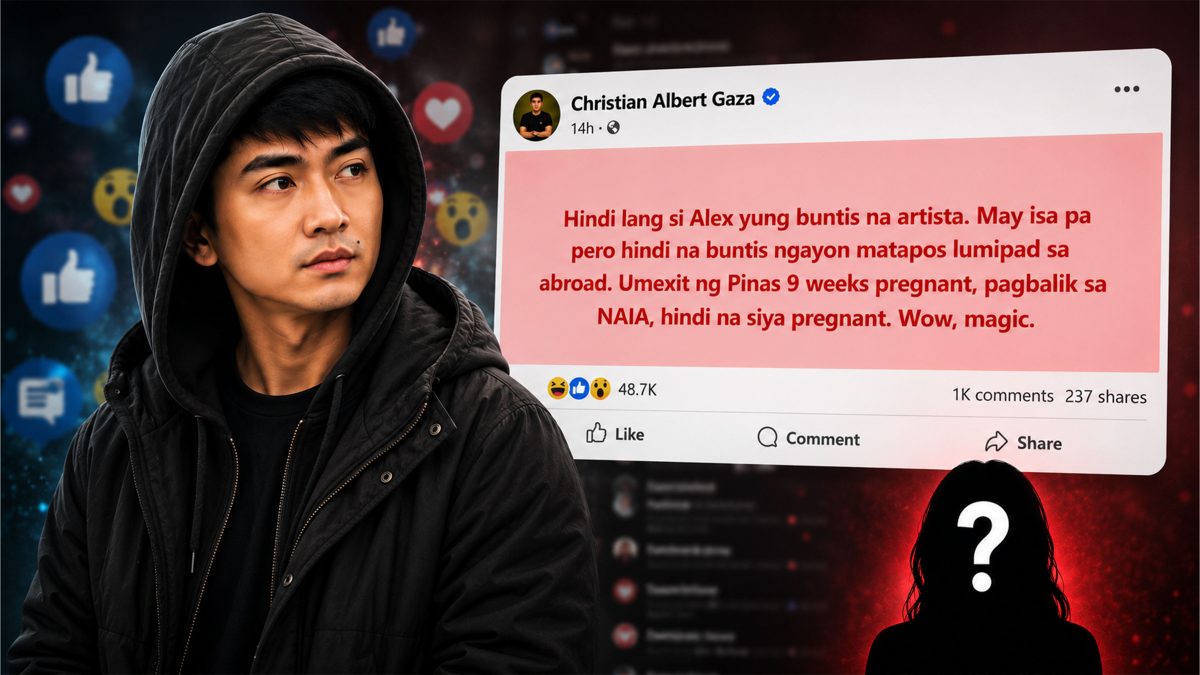
Christian Gaza viral post has reignited discussions about how cryptic social media statements quickly evolve into public speculation in the Philippines. Instead of focusing solely on the controversial claim itself, many online observers pointed to a growing digital culture where vague celebrity-related posts gain traction rapidly, encouraging users to form conclusions even without direct confirmation or verified details.
A cryptic Facebook post by Christian Albert Gaza has once again demonstrated how vague online statements can trigger massive public speculation in the Philippines, even without directly naming anyone involved. More than the allegation itself, observers noted that the post’s viral reach exposed a growing pattern in Filipino online culture: audiences increasingly treat insinuations as confirmed information once social media engagement explodes.
The online discussion escalated after a cryptic social media statement hinted at a controversial celebrity issue involving pregnancy speculation and overseas travel. Although no individual was directly identified, the ambiguity of the message encouraged widespread online interpretation, with users across Facebook and entertainment forums attempting to decode possible references. Observers noted that this style of “participatory speculation” has become increasingly common in Philippine digital culture, where audiences often treat vague clues as interactive content rather than unverified claims.
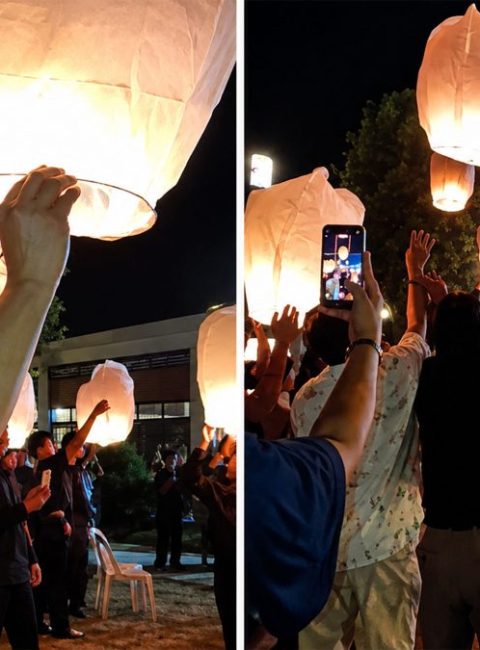
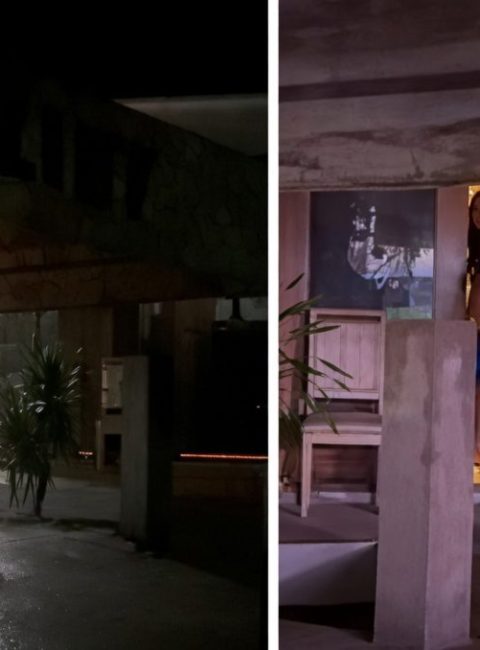
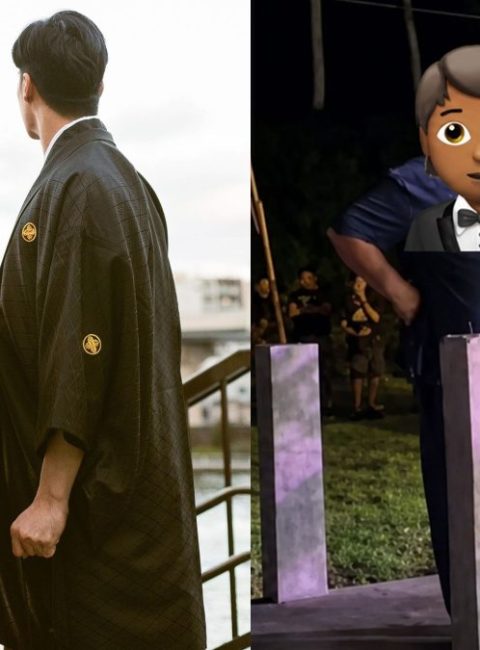
Hours later, Gaza appeared to acknowledge the speculation surrounding his post by commenting, “Kung i-aanalyze niyo lang ng maigi yung post sa baba, may iniwan akong clue. Read between the lines.” The remark intensified online discussion instead of clarifying the issue, pushing the topic deeper into trending conversations across Facebook and entertainment forums.
What stood out to digital observers was not simply the content of the claim, but the speed at which users began treating incomplete information as social evidence. Screenshots circulated rapidly, reaction videos multiplied, and online threads shifted from curiosity to assumption-based conclusions within hours.
This reflects a broader pattern in Philippine social media spaces where ambiguity often drives stronger engagement than direct statements. Vague posts invite participation because audiences feel encouraged to “solve” the issue themselves. In practice, that creates a cycle where speculation becomes entertainment content, regardless of whether claims are verified.
“Filipinos really love decoding blind items. Kahit walang pangalan, people already create their own conclusions,” one user commented in a public discussion thread.
The reaction highlights how internet culture has evolved beyond traditional celebrity gossip columns. Blind-item style narratives, once confined to tabloids and television segments, now spread faster through personal social media accounts that rely heavily on audience interaction. Experts have previously discussed how social media algorithms prioritize high-engagement content, especially emotionally charged or controversial discussions.
Another commenter pointed out that the issue reflects changing standards online.
“The problem is people treat clues like proof. Once it trends, many assume it’s already true.”
That observation carries wider implications, especially as viral speculation increasingly affects reputations before factual confirmation emerges. Media analysts have repeatedly warned that highly emotional or controversial posts tend to outperform verified reports because social media algorithms reward reactions, shares, and prolonged engagement. The rise of blind-item culture in digital entertainment spaces has also blurred the line between public curiosity and responsible online discussion.
The development also raises questions about digital accountability among influential online personalities. While cryptic posts may avoid directly naming individuals, they can still create indirect public targeting once audiences begin connecting details on their own.
In the Philippine context, celebrity culture and social media behavior remain deeply intertwined. Entertainment discussions frequently dominate online trends, and personalities with large followings can influence narratives almost instantly. Analysts noted that this environment makes audiences more vulnerable to emotionally driven speculation, particularly when posts hint at controversial personal matters. Discussions around digital media literacy and misinformation awareness have become increasingly relevant as viral claims continue spreading across online communities.
“People should realize that being viral doesn’t automatically make something credible,” another user wrote.
The incident ultimately reflects how entertainment discourse in the Philippines is evolving beyond traditional celebrity reporting into a more reaction-driven digital environment. Instead of waiting for confirmed information, online communities now frequently participate in building narratives themselves through speculation, interpretation, and viral engagement. Analysts noted that while this creates stronger audience interaction, it also increases the difficulty of separating public curiosity from responsible discussion in fast-moving online spaces.




 Facebook
 Twitter