
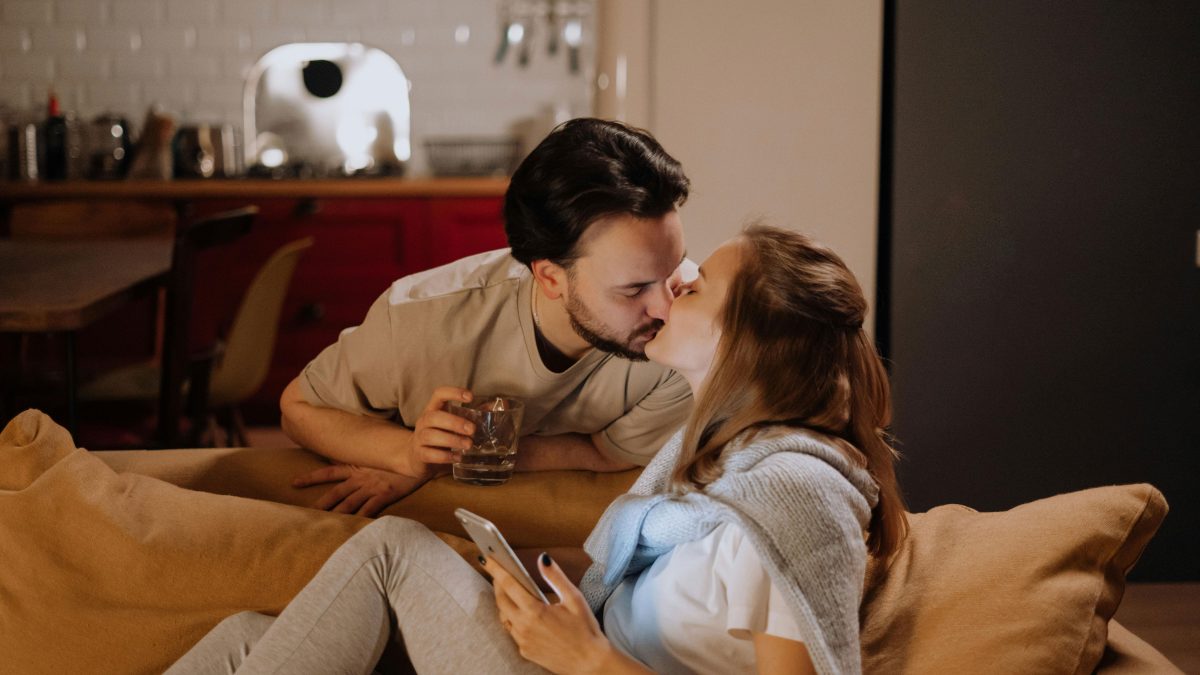
Live-in relationships in the Philippines are becoming increasingly common as many couples struggle with rising living costs, unstable work schedules, and the emotional pressure of modern adulthood. What once carried heavy social stigma is now viewed by many young Filipinos as a practical way to build stability, understand compatibility, and prepare for long-term commitment before marriage.
On some nights, love in the Philippines looks less like candlelit proposals and more like two exhausted people comparing electricity bills at the kitchen table. One partner calculates how much is left after rent. The other quietly checks if there’s still enough money for groceries, transportation, and the monthly padala waiting to be sent home to family. Somewhere between inflation, long commutes, unstable work schedules, and emotional fatigue, many Filipino couples are arriving at a conclusion that would have shocked older generations: living together before marriage no longer feels rebellious. For many, it simply feels practical.
A decade ago, couples who chose to move in together without getting married often carried a sense of secrecy around their relationship. Some hid it from relatives. Others invented stories about roommates or temporary work arrangements to avoid difficult conversations during family gatherings. Today, the silence around it has softened. Not completely, but enough that many young adults no longer see cohabitation as a scandal. In many communities, it has quietly become part of modern adulthood.

The change did not happen because Filipinos suddenly stopped valuing marriage. If anything, many still take marriage seriously enough that they hesitate to enter it blindly. Weddings in the Philippines remain emotionally significant events tied to family expectations, religion, tradition, and social image. Even relatively modest celebrations can cost hundreds of thousands of pesos once venues, catering, clothes, photography, and family obligations are added together.
For couples already struggling to establish financial stability, spending that amount on a single day can feel disconnected from reality. Some would rather put the money toward rent, emergency savings, furniture, business plans, or future family needs. The romantic image of marriage still matters to many Filipinos, but daily survival has become harder to ignore.
This pressure is especially visible in urban areas where many young professionals spend years trying to stay financially afloat despite working full-time jobs. A marketing assistant in Makati may still live paycheck to paycheck after transportation costs, rising food prices, and support for relatives back home. A call center employee working night shifts may realize that splitting rent with a partner is the only realistic way to live closer to work and avoid exhausting daily travel. Under these conditions, living together often begins less as a dramatic relationship milestone and more as a practical response to adult life.
Data from the Philippine Statistics Authority has also shown that cohabitation among Filipino couples has become increasingly common over the years, particularly among younger adults. While marriage remains deeply valued in Filipino culture, economic realities and changing social attitudes continue to influence how many couples approach long-term commitment today.
There is also a quieter emotional reason behind the rise of live-in relationships, and many Filipinos rarely say it out loud directly: people have seen what unhappy marriages can do to a family.
A growing number of young adults were raised watching parents, relatives, or neighbors stay trapped in deeply unhealthy relationships because separation in the Philippines remains legally and financially difficult. Some grew up in households where couples no longer loved each other but stayed together for the children, social image, or religious expectations. Others witnessed years of emotional distance hidden behind carefully maintained family appearances.
That experience changes how many people approach commitment. Living together before marriage becomes less about avoiding responsibility and more about understanding compatibility before making a decision that carries enormous emotional weight. Couples discover things during cohabitation that dating alone rarely reveals. They learn how their partner behaves during stress, financial hardship, exhaustion, conflict, or disappointment. They discover who manages money responsibly, who avoids difficult conversations, who quietly carries emotional burdens alone, and who remains dependable when life becomes difficult.
These are not glamorous discoveries, but they shape long-term relationships far more than anniversary captions or carefully curated social media posts ever will.
Many couples also admit that living together exposes uncomfortable truths faster. Some relationships become stronger after sharing a home because both people learn how to function as a team under ordinary pressure. Others collapse once everyday reality replaces the excitement of dating. While painful, many see this as preferable to realizing deep incompatibility years into marriage.
At the same time, cohabitation does not automatically solve deeper relationship problems. Some couples move in together mainly because of financial convenience while avoiding serious conversations about long-term goals, emotional readiness, or future responsibilities. Sharing a home can reveal compatibility, but it can also expose unresolved immaturity that neither partner noticed during the earlier stages of dating.
Even parents who once strongly opposed live-in arrangements are slowly becoming more pragmatic. Some still dislike the idea personally but soften when they see their children acting responsibly and building stable lives together. A daughter who helps pay bills with her partner, maintains a healthy relationship, and plans carefully for the future may receive more acceptance today than she would have twenty years ago. In many households, the conversation has gradually shifted from morality alone to questions of stability, safety, and emotional maturity.
Religion still shapes much of Filipino culture, and many couples continue to wrestle with guilt or fear around choosing a live-in setup. Some feel caught between modern realities and traditional values they were raised to respect. There are couples who continue attending church every Sunday while quietly living together during the week. Others delay introducing their partner to conservative relatives for years to avoid conflict. The emotional tension between personal practicality and cultural expectation remains very real for many Filipinos.
Women, in particular, often carry a more complicated emotional calculation. While some feel empowered by having greater control over when and whether marriage happens, others remain aware that legal protections in live-in arrangements can still be limited compared to formal marriage. Questions about property, children, long-term security, and social judgment rarely disappear completely. Behind many modern relationship choices is still a careful balancing act between independence and vulnerability.
What makes this cultural shift interesting is that many couples choosing live-in arrangements are not rejecting love or commitment at all. In some ways, they are trying to protect those things from unrealistic expectations. They want to build relationships slowly, honestly, and sustainably instead of rushing into major decisions because of age pressure, family pressure, or online comparisons.
There is also growing exhaustion with performative romance. Many young Filipinos have become skeptical of relationships that appear perfect online but collapse privately under emotional immaturity, financial instability, or unresolved resentment. Living together strips away much of the performance. It forces couples to confront ordinary life together: laundry, bills, stress, routines, bad moods, silence, compromise, and responsibility. Some relationships become stronger because of this honesty. Others cannot survive it.

Either way, the experience often feels more revealing than the carefully polished version of romance many people grew up idealizing.
For all the debates surrounding live-in relationships, one reality is difficult to ignore: Filipino couples today are trying to build love inside a far more economically and emotionally demanding environment than many previous generations experienced. The timelines that once felt standard — graduate, marry young, buy a house, start a family — no longer feel accessible to many ordinary people. Relationships are adapting to that reality in deeply human ways.
Love in the Philippines has not disappeared, and commitment has not disappeared either. What is changing is the way many couples define readiness. For a growing number of Filipinos, commitment is no longer measured first by a wedding ceremony or legal document. It is measured through consistency, shared sacrifice, emotional safety, and the ability to survive difficult seasons together without walking away.
That may not look like the traditional love story many Filipinos were raised to imagine. But for countless couples trying to build stable lives in uncertain times, it feels more honest, more realistic, and perhaps, in its own quiet way, more enduring.



 Facebook
 Twitter