

Mararison Island (Malalison), Culasi, Antique
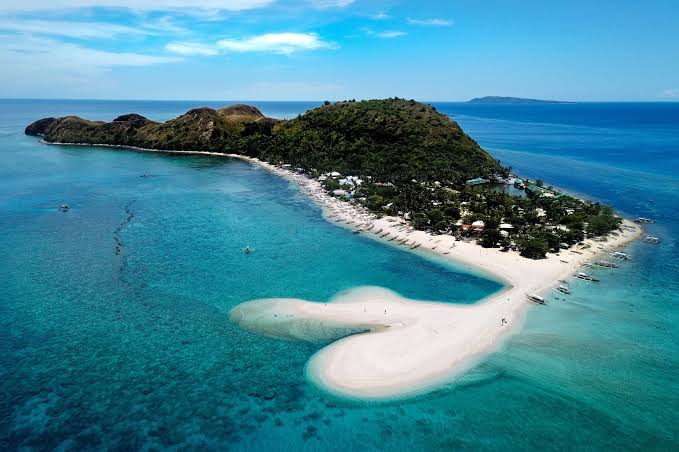
Mararison Island is a 55-hectare inhabited island located just 15 to 20 minutes by outrigger boat from the Culasi Municipal Port in Antique, on the western coast of Panay Island. What makes Mararison genuinely remarkable among Philippine islands is the combination of ecosystems crammed into its small footprint: you get a pristine white sandbar (the famous Kawit Sandbar), a network of highland ridge trails flanked by wild pitcher plants, a living fishing community, and unobstructed views of mainland Antique’s jagged mountain ranges including the towering Mt. Madja-as. Despite its extraordinary natural features, Mararison Island remains almost entirely unknown outside of Antique and Iloilo—a condition that, for now, keeps it blissfully uncrowded. Entrance fees are just ₱40 per person, boat hire for a group of five runs ₱750–₱1,000 roundtrip, and homestay beds start at ₱300 per night. For travelers craving the authentic Philippines they imagined before discovering how busy Boracay actually is, Mararison is one of the most honest budget island destinations in the Visayas. For more off-the-beaten-path Philippine island inspiration, read our guide to Sambawan Island and Biliran, another underrated gem in the same region.
The main attraction that draws adventure travelers to Mararison is the Ridge Trek, a well-marked trail that cuts across the island’s grassy spine from east to west. The climb takes less than 30 minutes and rewards hikers with a 360-degree panorama: open Sulu Sea stretching west toward Palawan, and the serrated green peaks of mainland Antique rolling east toward the horizon. Along the highest ridges, wild Nepenthes pitcher plants — carnivorous plants that trap and digest insects — grow in dense clusters along the clay soil, an extraordinary botanical sight you would not expect to find minutes from a tropical beach. The Kawit Sandbar itself shifts with the seasons: during the Amihan (northeast monsoon), it extends long and narrows southward; during Habagat (southwest monsoon), the tip curves backward. Snorkeling along the island’s reef reveals colorful coral formations and abundant reef fish, while the calm, shallow channel between Mararison and the mainland is ideal for swimming and paddling.
Food on Mararison is a genuine local experience. Every afternoon, fishermen return from the open sea with hauls of fresh mackerel, squid, and saang (spider shells). You can walk down to the beachfront and purchase seafood directly from the fishermen’s nets at market prices — typically ₱80–₱150 for a generous portion. For a small fee of ₱100–₱150, your homestay host will prepare the catch Sinuwaan-style: a rich, comforting broth of ginger, lemongrass, and fresh vegetables that is quintessential Antique home cooking. Grilled over charcoal, the same catch costs even less. Meals prepared by homestay hosts typically run ₱80–₱120 per meal for rice and a main dish. Accommodation options include community homestay beds starting at ₱300 per night, or a private room for ₱1,500 per night. Camping on the beach is possible with your own tent. There are no ATMs on the island, so bring sufficient cash from Caticlan, Kalibo, or Iloilo City before you arrive in Culasi.
The best months to visit Mararison are November through May, when the Amihan season keeps seas calm and skies blue. June through October brings the Habagat southwest monsoon, which can produce rough seas and heavy rain — boat crossings may be suspended on bad days. To reach Mararison, fly into Caticlan (Boracay Airport), Kalibo, or Iloilo International Airport, then board a Ceres bus heading south along the west coast route to Culasi (roughly 2 to 5 hours depending on your entry airport). From Culasi, walk to the Municipal Port, register your visit at the Tourism Office (mandatory for maritime safety), pay the ₱40 environmental fee, and board your assigned outrigger bangka. The crossing takes just 15 to 20 minutes. For your trekking activities, a licensed local guide is mandatory and costs ₱250 per group — money well spent for someone who knows the trails and can point out the pitcher plant colonies. Check our Best Places in Luzon for First-Time Visitors if you are also planning a broader Philippine island-hopping itinerary.
Seco Island, Culasi, Antique
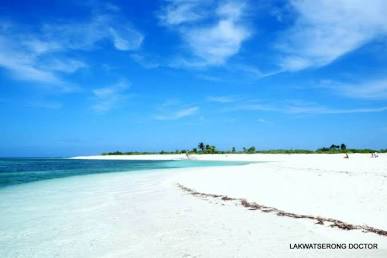
Seco Island is unlike any other destination in the Philippines. The name itself — seco, meaning “dry” in the local Kinaray-a language — describes the island’s entire character in a single word. Located roughly 22 kilometers offshore from Culasi in the open Sulu Sea, Seco is a flat, elbow-shaped white sandbar with absolutely no trees, no permanent structures, no electricity, no fresh water supply, and no shade whatsoever. The island is not for casual vacationers seeking comfort. It is for travelers who want to experience something genuinely elemental: nothing between you and the full force of the open Pacific sky, nothing beneath you but blinding white coral sand dropping off into one of the most pristine marine environments in the Philippines. What Seco lacks in infrastructure, it overwhelmingly compensates for with raw, staggering beauty. If you enjoy destinations like Palawan’s remote island hopping, Seco will resonate deeply — but with even fewer guardrails.
The marine environment surrounding Seco Island is the main draw for divers and snorkelers. The waters around the sandbar are extraordinarily clear, with visibility regularly exceeding 20 meters. A shallow reef system extends from the island’s edges, filled with hard corals, sea fans, and diverse reef fish before dropping away into deep indigo water. Because Seco sits entirely exposed in the open Sulu Sea without landmasses to obstruct airflow, the island has gained an international reputation among professional kitesurfers who seek its clean, high-velocity wind conditions and the smooth flat-water lagoon that forms inside the reef on the island’s protected inner edge. On windy days, watching expert kitesurfers launch from the sandbar and arc through the air above turquoise water is itself a spectacle worth witnessing. Camping overnight on Seco is free — there is no accommodation fee — but requires bringing your own tent, sleeping supplies, food, and a minimum of three liters of fresh drinking water per person per day.
Reaching Seco Island is the adventure itself. Local boatmen strictly require a 2:00 AM or 3:00 AM departure from Culasi Port. The reason is non-negotiable: ocean swells on the Sulu Sea build intensely by mid-morning, and returning after noon becomes dangerous. The crossing takes between 1.5 and 3 hours depending on sea conditions and vessel speed. Your boat must be a large, heavy-duty fishing vessel — not a small tourist pump-boat — to handle open-ocean swells safely. Boat charter to Seco costs ₱3,500–₱5,000 for the vessel, making group travel essential. A group of six to eight people brings the per-person cost down to ₱500–₱700 each way — a reasonable price for one of the most remote island experiences in the western Visayas. Since there is no food or water on Seco, standard practice involves buying marinated meats, fresh tomatoes, steamed rice, and lato (sea grape seaweed) from the Culasi public market before departure, then cooking lunch on the boat’s built-in charcoal grill while moored near the sandbar. It is a deeply satisfying way to eat. For more island adventure comparisons, see our guide to Camiguin Island and our overview of Cebu to Bohol itineraries.
The Philippine Coast Guard actively monitors the Culasi channel and will ground all boats to Seco if a gale warning is active or waves exceed safety thresholds. Always build a buffer day into your Antique itinerary — arriving with exactly one day to reach Seco is a recipe for disappointment if weather prevents the crossing. The best months for a Seco Island expedition are November through May, when the northeast Amihan keeps seas calmer. However, the same Amihan season that calms the seas also generates the strong, consistent winds that kitesurfers seek, so November through February is particularly popular among wind-sport visitors. Bring reef-safe sunscreen rated SPF 50 or higher and a pop-up beach tent or large umbrella — on Seco, the white sand reflects ultraviolet rays upward from below, and severe sunburn can occur within an hour of unprotected exposure. Wrap all cameras, phones, and power banks in heavy-duty dry bags for the ocean crossing. Motion sickness medication taken at least 30 minutes before boarding is strongly recommended for the pre-dawn Sulu Sea crossing. There are no ATMs anywhere near Culasi; withdraw adequate cash in Caticlan, Kalibo, or Iloilo City.
💰 6 Proven Money-Saving Tips for Mararison & Seco Island Trips
Antique is already one of the more affordable island provinces in the Philippines — but smart planning can cut your total trip cost by 30 to 50 percent without sacrificing a single experience.
Caticlan is the fastest gateway to Antique but almost always carries higher airfares due to its proximity to Boracay. Kalibo Airport flights are consistently cheaper — sometimes by ₱500–₱1,500 per person roundtrip — and the additional 30 minutes of bus travel to Culasi is a negligible trade-off. Book early and set fare alerts on Google Flights to catch promotional prices. Cebu Pacific and AirAsia regularly offer Kalibo sale fares that make this option even more attractive for budget travelers.
The Culasi Municipal Tourism Office is your single most valuable resource for cutting costs. Staff there actively help travelers find boat-sharing groups, especially for the expensive Seco Island charter. Contact them via the Culasi LGU Facebook page before your trip to ask about scheduled group departures. For Mararison, arriving at the port by 7:00 AM gives you the best chance of finding fellow travelers to split the bangka cost, reducing your per-person boat fare to as little as ₱150–₱200 each way.
Since there is nothing to buy on Seco Island itself, the Culasi public market is where your entire food budget for the trip gets decided. Buy marinated chicken or pork in bulk (₱80–₱120 per kilo), fresh tomatoes, bananas, packs of cooked rice, and fresh lato seaweed. A full food supply for a day trip for four people typically costs ₱400–₱600 total — a fraction of what you would spend at a tourist restaurant. Most chartered fishing vessels have built-in charcoal grills for exactly this purpose, so you can cook your meals onboard at no extra charge.
Mararison Island’s community homestays at ₱300 per night for a bed are among the most affordable legitimate accommodation options in the Philippines. These are not just cheap — they are the most authentic way to experience island life, with hosts who can cook local meals, arrange fishing boat tours, and share genuine knowledge of the island’s trail system. Private rooms are available for ₱1,500 per night if you prefer privacy. Bringing your own camp setup to Mararison or Seco eliminates accommodation costs entirely for travelers who do not mind sleeping on a mat or in a tent on the beach.
There are no ATMs on Mararison or Seco Island, and the ATMs in Culasi itself can run dry on busy weekends. Withdraw all the cash you expect to need for your entire Antique trip — boat fees, entrance fees, food, accommodation, and a buffer — at the airport in Caticlan, Kalibo, or Iloilo City before boarding your bus to Culasi. A practical rule of thumb: withdraw ₱3,000–₱5,000 per person for a two-day trip covering both islands comfortably, including boat shares and all meals. Running out of cash in Culasi with a pre-dawn Seco departure looming is a stressful situation easily avoided with this simple step.
The single most expensive mistake Antique visitors make is booking a tight itinerary with no flexibility. The Philippine Coast Guard grounds all boats to Seco Island the moment weather conditions deteriorate, and this happens unpredictably even during peak season. If you arrive in Culasi with only one day available and the Coast Guard issues a gale warning, you miss Seco entirely and still pay for the overnight in Culasi. Adding just one extra day to your schedule costs little (Culasi mainland lodging runs ₱400–₱800 per night) but completely eliminates the risk of a wasted trip. This is the most important logistical tip we can offer for the Seco Island expedition. For broader budget planning across multiple Philippine destinations, our Baganga Budget Travel Guide also covers useful cost-saving strategies for remote coastal destinations in Mindanao.
❓ Frequently Asked Questions
🇵🇭 Antique Is Waiting — Go Before the Rest of the World Finds It
This guide has covered everything you need to plan a successful, budget-smart trip to Mararison Island and Seco Island in Antique: how to get there from Manila via Caticlan, Kalibo, or Iloilo; the real cost breakdown in Philippine Pesos for boat hire, accommodation, food, and entrance fees; what makes each island extraordinary; the critical safety protocols for the pre-dawn Seco crossing; and six practical money-saving strategies that can cut your total trip cost by a third.
Mararison and Seco represent something increasingly rare in Philippine travel: islands that have not yet been consumed by mass tourism. No resort chains, no overpriced tour packages, no Instagram influencer crowds. Just wild pitcher plants on a grassy ridge, a sandbar that shifts with the monsoons, neon-blue open-ocean water, and fishermen who will cook your dinner for ₱100. These are the experiences that make the Philippines genuinely extraordinary — and they are available right now, at budget prices, to any traveler willing to board an early bus in Kalibo and cross a small stretch of sea.
The western coast of Panay has been the Philippines’ best-kept secret for too long. Pack your dry bag, stock up on cash before you leave Kalibo, and set your alarm for 1:30 AM. The Sulu Sea and its most remote, most beautiful sandbar will be waiting for you in the dark. Mabuhay!







 Facebook
 Twitter