
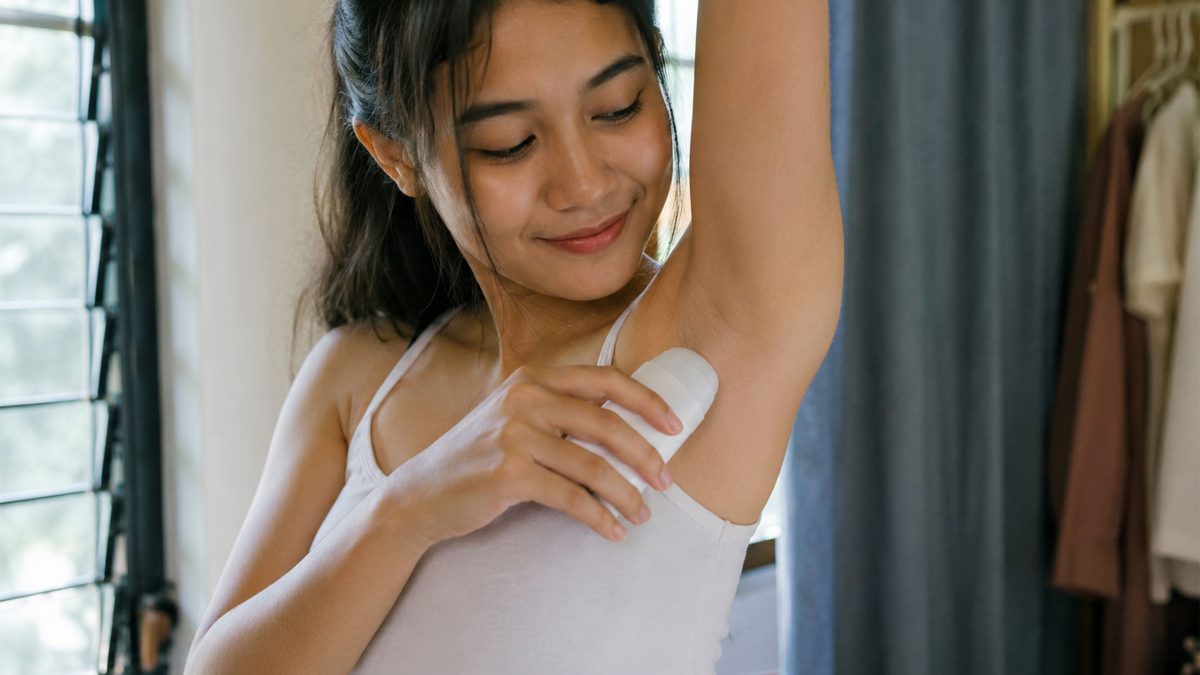
Underarm hair hygiene has become a growing topic online as more people question whether shaving actually affects cleanliness. In a humid city like Manila, where sweat and body odor are constant concerns, many still associate smooth underarms with better hygiene. But experts say the truth is more complicated, and proper hygiene depends far more on daily habits than on the presence of hair itself.
I remember the first time I skipped shaving my underarms for more than a week. It was during a particularly humid stretch in Manila, the kind where even a quick trip to the sari-sari store leaves you glistening. I caught myself in the mirror mid-reach, arms up, and froze with that familiar pinch of self-consciousness. “What if someone notices? What if I smell?” The question lingered longer than the faint trace of sweat: Does this hair actually make me dirtier?
Most of us grew up hearing the same message: smooth underarms mean cleanliness. Advertisements, barkada chatter, and beauty standards shaped by our tropical climate reinforced the idea for years. But dermatologists say the connection between shaving and hygiene is far less straightforward than many people assume.
Sweat itself is mostly odorless. According to dermatologists interviewed by Health.com, body odor develops when bacteria break down the proteins and fats found in apocrine sweat — the thicker type produced in areas like the underarms. Hair can trap moisture, oil, and bacteria, especially in hot and humid weather, which may make odor stronger if the area is not cleaned properly. But the hair itself is not the source of poor hygiene.
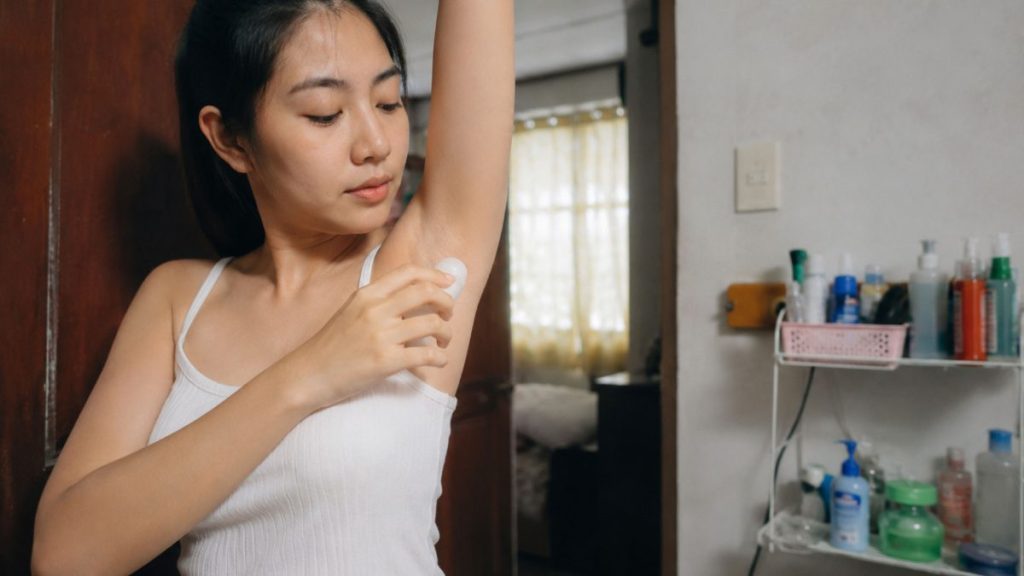
A well-washed underarm with hair is not automatically “dirtier” than a shaved underarm that has been neglected.
I spoke with friends who approach it differently. One colleague, a 32-year-old teacher who commutes daily through the MRT, prefers shaving every few days.
“It just feels fresher,” she told me.
“Deodorant works better, and I don’t worry as much about sweat marks showing on my blouse.”
Another friend, a freelance photographer who spends long hours outdoors, stopped shaving regularly during the pandemic and never fully returned to the routine.
“Shaving gave me razor bumps and itchiness all the time,” she said.
“With hair, there’s less friction when I’m carrying heavy gear. I just wash properly and use antiperspirant.”
Their experiences reflect what many skin experts already observe. Removing hair can slightly reduce odor because deodorant reaches the skin more directly and bacteria have less surface area to cling to. A small study referenced by NBC News found that freshly shaved underarms were sometimes rated as more pleasant-smelling in controlled tests. Still, the difference often became less noticeable as hair naturally grew back.
Keeping underarm hair also comes with practical advantages. Hair can reduce skin-on-skin friction during workouts, long commutes, or humid days outdoors. For some people, it also acts as a buffer against harsh deodorant ingredients that may trigger irritation, darkening, or ingrown hairs after repeated shaving.
You can also read more about how sweat and bacteria affect body odor naturally.
Honestly, many people simply choose whichever option feels more comfortable for their lifestyle.
In the Philippines, though, the conversation often extends beyond comfort. Underarm grooming is closely tied to ideas about femininity, professionalism, and being “presentable.” Something as simple as raising an arm inside a jeepney or during a Zumba class can invite judgment. Over time, many people internalized the idea that visible underarm hair automatically signals laziness or poor hygiene, even when science does not fully support that belief.
Women tend to face the strongest pressure, but men are increasingly affected too. More men now trim or shave for the same “clean” aesthetic once expected mostly from women.
The emotional side of it can be exhausting. Some people genuinely enjoy the smooth feeling that comes after shaving because it boosts their confidence and helps them feel put together. Others see the routine as another tiring beauty expectation added to already busy lives. I’ve watched friends stress over beach trips, sleeveless outfits, and gym photos, not because of hygiene concerns, but because of fear of judgment.
The practical reality is much simpler than the social pressure surrounding it. Hygiene depends far more on habits than on hair itself. Daily washing, proper drying, breathable clothing, and using products that work for your skin matter more than whether someone shaves completely.
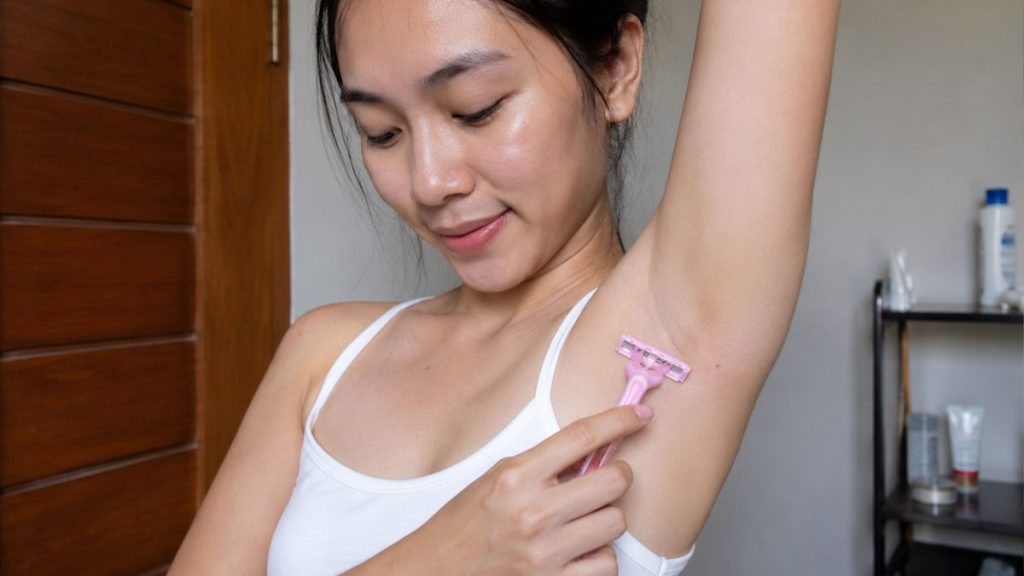
For people who sweat heavily or struggle with stronger body odor, trimming or shaving may help alongside other solutions like antibacterial cleansers or adjusting certain lifestyle habits. But if shaving constantly irritates the skin, forcing it in the name of “cleanliness” can sometimes create even more discomfort and insecurity.
You may also want to check simple dermatologist-backed tips for preventing underarm irritation safely.
“Maybe the bigger question was never whether underarm hair is hygienic.”
“Maybe it’s why so many people were taught to equate natural bodies with something that needs fixing in the first place.”
In the end, cleanliness comes from care, not conformity. Whether someone shaves, trims, or lets it grow, the healthiest choice is usually the one that keeps both the body and the person comfortable in their own skin.





 Facebook
 Twitter