
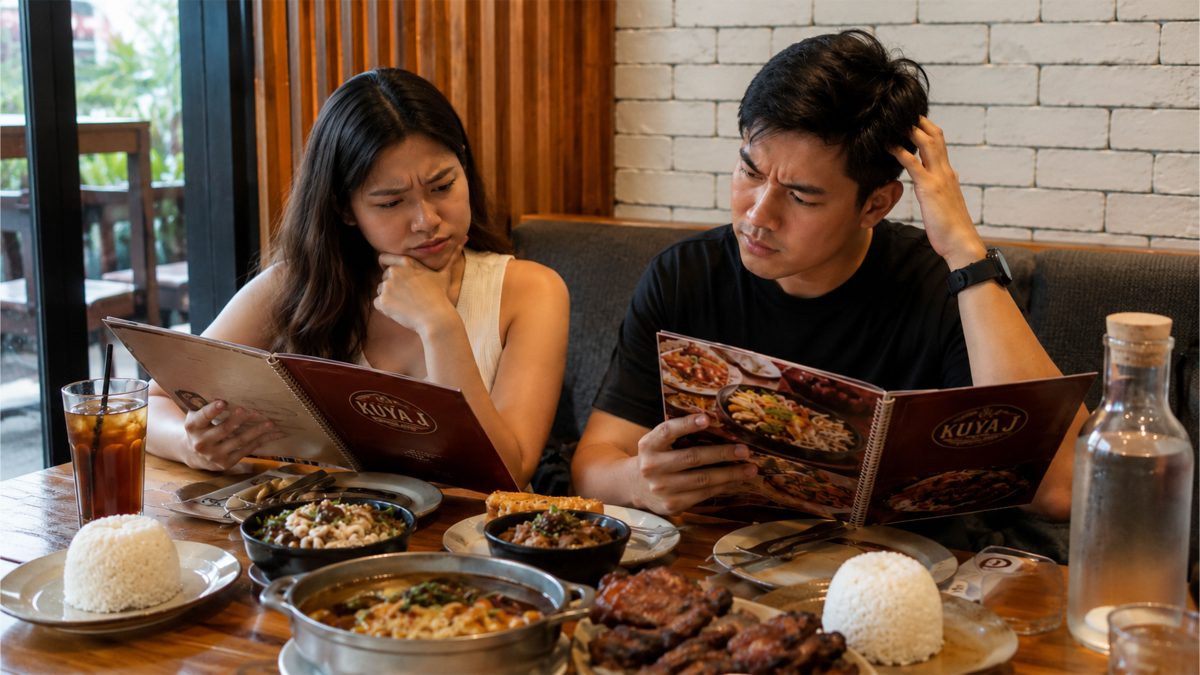
Funny relationship questions often sound harmless at first — until couples actually have to answer them. Few examples are more relatable than asking, “Where do you want to eat?” What should be a simple dinner decision somehow turns into a long debate filled with rejected suggestions, mixed cravings, and two hungry people trying not to get annoyed inside a parked car.
A relationship can survive missed anniversaries, mood swings, and even terrible karaoke performances. But ask one simple question — “Where do you want to eat?” — and suddenly two perfectly happy people are staring at each other like exhausted negotiators trapped in a tiny peace summit inside a parked car.
It sounds ridiculous until you experience it yourself.
One person says, “Anything is fine.” The other starts listing options. Burgers? No. Samgyupsal? Ate that already. Pasta? Too heavy. Japanese food? Maybe. Fast food? Not in the mood. Twenty minutes later, nobody is angry yet, but both people somehow look emotionally drained over a decision involving chicken wings and iced tea.
For something so small, the question carries an unusual amount of pressure in modern relationships. It is funny because couples recognize themselves in it immediately, but underneath the jokes is something more familiar: most people are exhausted long before dinner even starts.
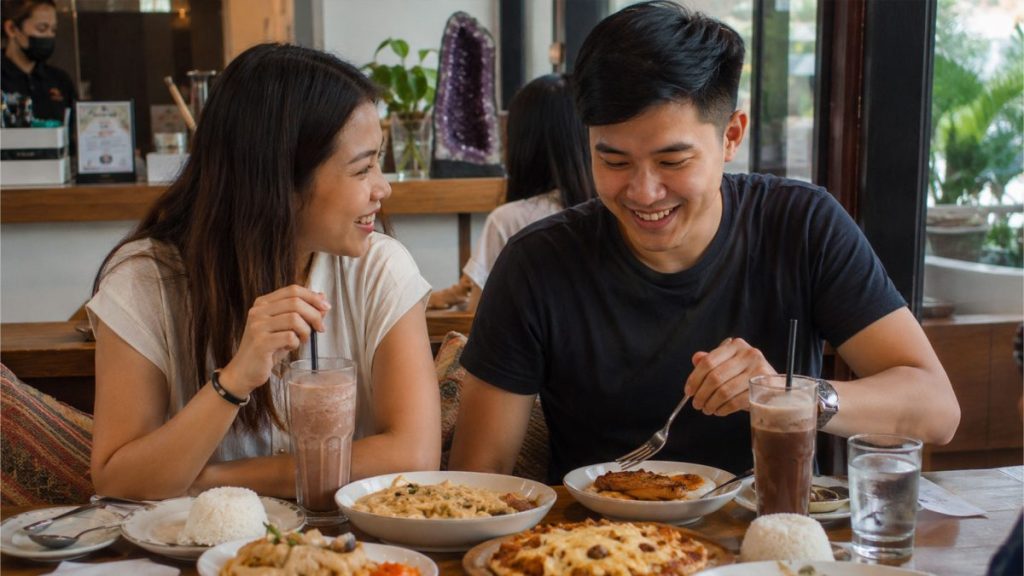
After a full day of work, commuting, replying to messages, dealing with deadlines, and constantly making decisions, even choosing where to eat can feel mentally expensive. Psychologists often refer to this as decision fatigue — the gradual decline in our ability to make choices after too many decisions throughout the day. Suddenly, a simple dinner plan no longer feels simple.
That is why “anything” rarely means anything.
Sometimes, “anything is fine” actually means the person is too mentally drained to decide. Other times, it quietly becomes a test of how well their partner understands their cravings without needing a long explanation.
Couples laugh about this because the situation feels absurd, but shared meals have always carried emotional weight. In many Filipino households, eating together is one of the few rituals people consistently protect no matter how busy life becomes. Families gather around food after long days. Friends reconnect over late-night snacks. Couples use dinner as a way to decompress after stress they could not process during work hours.
Meals often become emotional checkpoints for couples, especially after long and stressful days.
A random Tuesday dinner can quietly become the emotional tone of the night. A good meal can turn exhaustion into comfort. A bad restaurant choice can create unnecessary tension between two hungry people already operating on low patience.
Anyone who has been in a long-term relationship understands this pattern almost immediately.
There is always one person who rejects the first three suggestions automatically. Another claims to have “no preference” but somehow vetoes every option. Some couples create unofficial systems just to avoid repeating the same argument. One chooses dinner while the other chooses dessert. Some rotate “safe restaurants” the way offices rotate meeting rooms. Others spend thirty minutes scrolling through food delivery apps only to order from the same place they picked last week.
The funniest part is how predictable couples become over time.
One partner already knows the other will suddenly crave ramen after saying they were “not that hungry.” Another knows that “I’ll just taste yours” usually means surrendering half the meal. Tiny habits become relationship folklore — repeated so often that they stop being annoying and start becoming strangely comforting.
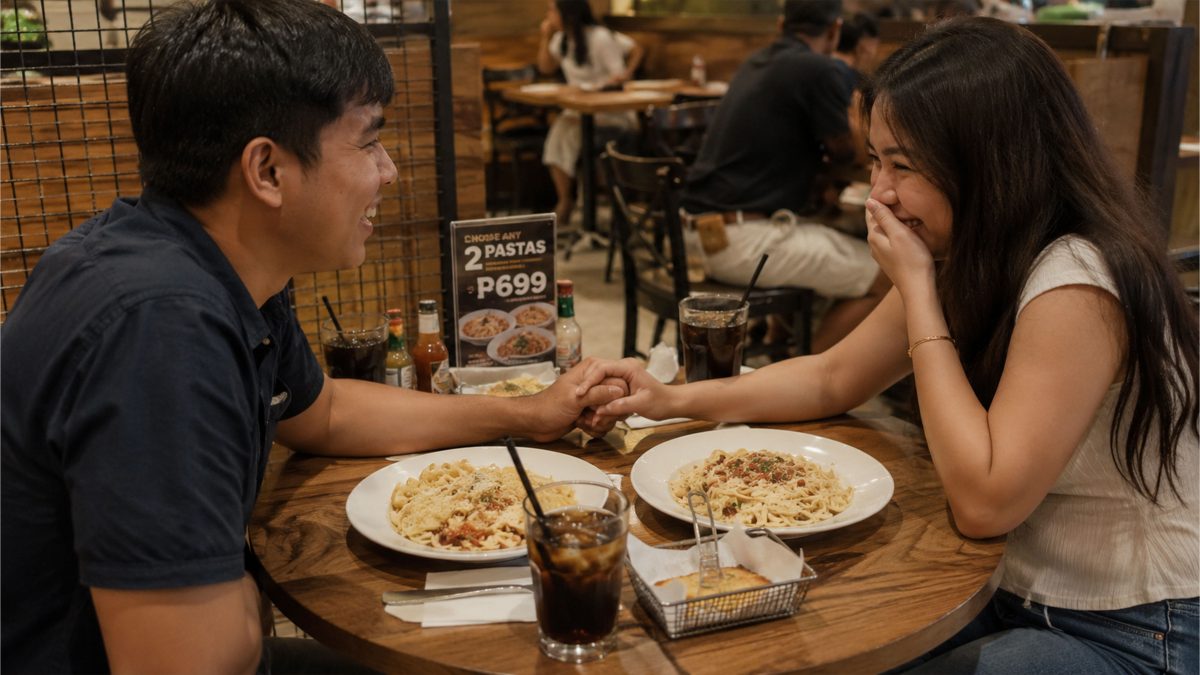
That familiarity is probably why these arguments rarely become serious. Small food debates often function less like conflict and more like relationship background noise. Researchers from The Gottman Institute have long discussed how everyday interactions shape emotional connection more than dramatic romantic gestures do. Long-term relationships are usually built through ordinary moments repeated consistently over time.
Not grand speeches.
Not movie-style surprises.
Just two tired people trying to decide whether they want milk tea with dinner.
Modern dating culture also made this question harder than it used to be. Previous generations had fewer choices, fewer delivery apps, and fewer expectations surrounding “quality time.” Today, even casual dinners can feel loaded with invisible pressure. People want comfort, convenience, affordability, good ambiance, fast service, and meals worth posting on Instagram — all at the same time.
Too many choices can quietly make people worse at choosing.
That is partly why the conversation becomes funny in the first place. Couples are not really debating food. They are trying to manage moods, energy levels, cravings, budgets, schedules, and the unspoken desire to make each other feel cared for after stressful days.
Sometimes the argument itself becomes part of the relationship ritual.
“What do you want to eat?”
“You choose.”
“Okay, burgers.”
“I don’t want burgers.”
“Then why did you tell me to choose?”
“Because I thought you knew what I wanted.”
It is ridiculous. But it is also oddly intimate.
People often imagine love through dramatic milestones — anniversaries, vacations, expensive gifts, carefully staged proposals. Real relationships usually look less glamorous. They are built through repetitive little moments most outsiders would find completely unimportant. Waiting for takeout. Sharing fries without asking. Pretending not to be upset over the wrong milk tea order. Sitting quietly beside someone after a long day because neither of you has enough energy left for a deep conversation.
In a strange way, deciding where to eat becomes proof of how intertwined two lives have become.
You learn each other’s cravings, moods, routines, stress patterns, and comfort foods. You memorize what they order when they are sad, tired, celebrating, or trying to save money before payday. Studies on shared meals and emotional connection even suggest that eating together regularly helps strengthen relationships and emotional well-being over time.
So maybe that is why the question never really disappears, no matter how long couples stay together.
It is not just about finding a place to eat. It is about trying to make each other feel understood in the middle of ordinary life. And sometimes, oddly enough, sometimes love looks less like grand romantic gestures and more like two tired people trying to agree on dinner without turning hungry frustration into an argument.







 Facebook
 Twitter